






The Hidden Dangers of Power Cuts
A simple power cut might seem harmless, but the real danger to your appliances often lies in what happens before and after the outage. The greatest risk comes from power surges, which are sudden spikes in voltage. These can occur when power is restored
after a blackout, or during a thunderstorm due to lightning strikes near power lines. This excess voltage can overwhelm and fry the sensitive electronic circuit boards found in modern TVs, computers, and even Wi-Fi routers. Additionally, brownouts—a temporary drop in voltage—can cause motors in appliances to struggle and overheat, leading to long-term damage. Interruptions can also corrupt the internal programming of smart devices if they occur during an update or operation cycle.
First Line of Defence: The Surge Protector
Your first and most basic investment should be a quality surge protector. It's important to know that a simple power strip with multiple outlets is not automatically a surge protector. A true surge protector is designed to absorb and divert excess voltage away from your connected devices, acting as a gatekeeper for electricity. When buying one, look for its joule rating—this number indicates how much energy it can absorb before it fails. A higher joule rating means better protection. For valuable equipment like a computer or a high-end TV, a rating of 2,000 joules or more is recommended. These are ideal for protecting individual devices from sudden voltage spikes.
For Critical Devices: The UPS Advantage
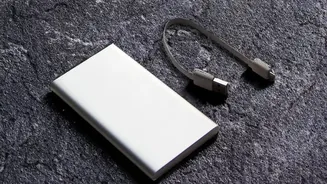
For devices you can't afford to have shut down abruptly, like a desktop computer or a Wi-Fi router, an Uninterruptible Power Supply (UPS) is essential. A UPS is more than just a surge protector; it contains a battery that provides backup power the instant the main supply is cut. This doesn't mean you can continue working for hours, but it gives you a crucial window of several minutes to save your work and shut down your computer properly, preventing data loss or file corruption. Many UPS devices also include built-in surge protection, offering two layers of defence. This makes them the best choice for protecting critical systems that need to remain online or require a graceful shutdown.
Smart Habits During Storms
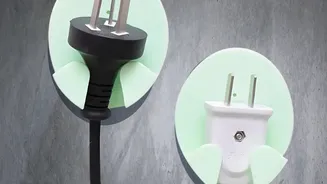
Technology can only do so much; good habits are just as important. During a severe thunderstorm with frequent lightning, the safest course of action is to completely unplug your valuable electronics. This includes not just the power cord, but also any connected network or telephone cables, as surges can travel through these lines as well. While a whole-home surge protector offers a strong defence, even it may not protect against a direct or very close lightning strike. Simply switching off the device with a remote is not enough; you should turn off the main power switch at the wall socket.
Tips for Specific Appliances
Different devices have different needs. For your computer, a UPS is highly recommended to prevent data loss and allow for a safe shutdown. For your television and home theatre system, which contain delicate circuit boards, a high-quality surge protector is a must. Don't forget your Wi-Fi router. While it's a low-power device, it is highly sensitive to fluctuations. Connecting it to a small UPS ensures your internet stays on during brief outages, which is crucial if you work from home or rely on Wi-Fi calling. For all appliances, it's also a good idea to wait a few minutes after the power is restored before plugging them back in. This allows the voltage to stabilise and avoids the initial restoration surge.