



Woollens are a winter wardrobe staple, but the fear of shrinking a beloved sweater is real. Washing wool doesn't have to be stressful. With a few key principles, you can keep your garments soft, safe, and perfectly shaped for years to come.
Why Wool Requires Special Care
The secret
to wool's warmth lies in its structure. Each wool fibre is covered in microscopic scales, similar to tiles on a roof. When exposed to heat, moisture, and agitation all at once, these scales open up and interlock with each other. This process, known as felting, is irreversible and causes the garment to become dense, matted, and significantly smaller. It’s not just about size; felting permanently changes the texture of the fabric. The main culprits are hot water, harsh detergents with the wrong pH, and the vigorous tumbling of a standard wash cycle. Understanding this helps explain why gentle handling is non-negotiable.
Hand-Washing: The Safest Method
When in doubt, always choose to hand-wash your woollens. It gives you complete control over the process and is the most reliable way to prevent damage. Fill a clean basin or sink with cold or lukewarm water, no hotter than 30°C. Add a small amount of a specialised, pH-neutral wool detergent and mix it in. Submerge your garment, ensuring it's fully saturated, and let it soak for about 10 minutes. Gently squeeze the suds through the fabric, but avoid any aggressive rubbing or wringing, which causes friction. Drain the soapy water and rinse with fresh water of the same temperature until the suds are gone. Sudden temperature changes between washing and rinsing can shock the fibres and cause them to constrict.
Choosing the Right Detergent
Your standard laundry detergent is too harsh for wool. Many contain enzymes designed to break down protein-based stains, but since wool itself is a protein fibre, these detergents can cause damage. Always opt for a liquid detergent specifically formulated for wool, silk, or delicates. These are pH-neutral and gentle on the fibres. Look for products that contain lanolin, a natural oil found in sheep's wool, which can help condition and soften your garments with each wash. Some popular and effective options are no-rinse formulas, which are great for hand-washing as they minimise handling.
Can You Use a Washing Machine?
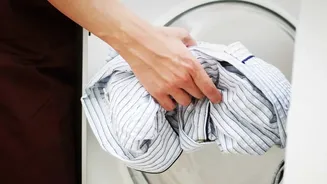
Many modern washing machines have reliable wool or hand-wash cycles that can be safe for items labelled 'machine washable'. These cycles use cold water and gentle agitation, often a slow rocking motion rather than tumbling, combined with a low or no-spin setting to minimise friction. Even so, it’s a riskier option than washing by hand. If you do choose to machine-wash, always use a mesh laundry bag to protect the garment from snagging. Turn the item inside out to reduce pilling on the surface, select the dedicated wool cycle, use a wool-safe detergent, and ensure the water temperature is set to cold.
The Crucial Art of Drying
How you dry your wool is just as important as how you wash it. Never, ever put a wool garment in a tumble dryer unless the care label explicitly states it's safe for a Woolmark-approved dryer. The combination of heat and tumbling is the fastest way to felt and shrink your clothing. Likewise, never hang a wet wool sweater. The weight of the water will stretch the fibres, distorting the shape and leaving you with a garment that is longer and narrower than before. The correct method is to gently squeeze out excess water without wringing. Then, lay the garment on a thick, clean towel, roll the towel up like a sausage, and press firmly to absorb more moisture. Finally, unroll it and lay the garment flat on a fresh, dry towel or a mesh drying rack, away from direct sunlight or heat sources like radiators. Reshape it to its original dimensions while it’s still damp and allow it to air-dry completely.