


Beyond the Farm-to-Table Buzzword
For years, 'farm-to-table' has been a popular phrase, suggesting freshness and quality. Today, however, pioneering chefs and restaurateurs across India are pushing this concept further. It's no longer enough to simply use local ingredients; the new standard
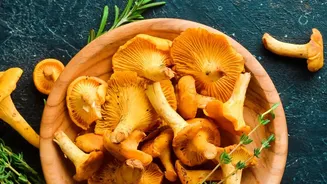
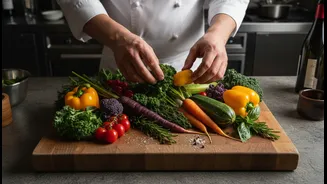
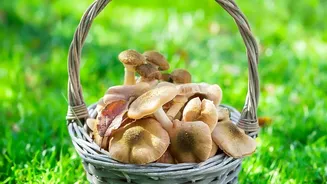
involves weaving the story of those ingredients into the very fabric of the meal. This movement, often called 'hyperlocal dining', is about creating a deeper connection between the diner, the food, and the land it comes from. It's an experience-driven approach where knowing the origin of an ingredient—whether it's wild mushrooms from a specific Himachali forest or heirloom tomatoes from a nearby farm—enhances its flavour. Diners are increasingly curious, wanting to know not just what they're eating, but where it came from, who grew it, and why it matters.
The Menu as a Storybook
This trend is most visibly expressed through the menu itself. Instead of a simple list of dishes, menus are becoming storytelling devices. Some restaurants name the farms, farmers, or the specific region an ingredient was sourced from. For instance, a menu might highlight 'Bandel cheese' or 'thangnyer chillies', turning once-obscure regional products into hero ingredients. Chefs are designing entire tasting menus around the seasonal bounty of a particular area, creating a snapshot of the local terroir on a plate. This might manifest as a dish featuring hyperlocal delicacies from a single district, with QR codes on the menu allowing guests to learn about the history of the dish or the farmer who grew the produce. The goal is to make the diner feel like a participant in a larger culinary story.
Chefs as Curators and Champions
In this new ecosystem, chefs are taking on roles far beyond the kitchen. They are becoming curators, educators, and champions of India's immense biodiversity. Chefs like Vanika Choudhary of Noon and Sequel in Mumbai, and Prateek Sadhu of Naar in Kasauli, are at the forefront, building robust networks with local growers, foragers, and artisanal producers. They travel to remote areas, discovering forgotten recipes and unique ingredients, from indigenous millets to rare herbs. This direct partnership is a win-win: chefs gain access to exclusive, high-quality produce, while farmers and small communities find stable economic opportunities and a renewed pride in their traditional crops. This collaborative spirit is helping to preserve culinary heritage and build resilient local food systems.
A Taste of India's Terroir
Just as wine has terroir—a sense of place that influences its taste—so does food. The hyperlocal movement is a celebration of India's diverse terroirs. A fish curry from a coastal Kerala village, made with freshly caught fish and locally grown spices, has a flavour profile that cannot be replicated elsewhere. By focusing on ingredients from a specific micro-region, restaurants are offering diners a truly unique and authentic taste of a place. This could mean showcasing the fiery vindaloo of Goa, the subtle pasta dish 'Skyu' from Ladakh, or dishes built around forest greens used by the Warli tribe in Maharashtra. This approach is redefining modern Indian cuisine, moving it beyond generic curries to a nuanced exploration of regionality and history.
Authenticity in a Crowded Market
As with any popular trend, there is a risk of the 'local' label being used as a mere marketing gimmick. However, discerning diners are becoming more adept at spotting true commitment. Genuine efforts are often characterized by seasonally changing menus, which reflect what is actually available from local farms. These restaurants embrace a 'root-to-stem' philosophy to minimise waste, and their staff are often trained to share the stories behind the dishes with passion and knowledge. This deeper engagement contrasts with a superficial mention of 'local ingredients' on a static, year-round menu. The movement is about fostering real community connections, not just branding.