


What is Biophilic Design?
At its heart, biophilic design is the practice of connecting people and nature within our built environments. The term 'biophilia' literally means 'love of life or living systems' and is based on the idea that humans have an innate need to be in touch
with the natural world. In decor, this translates to creating homes that don't just shut the outdoors out, but thoughtfully invite it in. It’s more than just adding a few potted plants; it’s a holistic approach that uses natural light, materials, patterns, and even sounds to create a space that feels restorative and alive.
The Science-Backed Health Benefits
This trend isn't just about aesthetics; it's backed by compelling research. Studies have consistently shown that incorporating natural elements indoors can have profound effects on our health. Exposure to greenery and natural light can significantly reduce stress levels, lower blood pressure, and improve mood. In fact, research has linked biophilic environments to enhanced creativity, better cognitive function, and increased productivity. Spaces that embrace this design can also improve air quality and even contribute to better sleep patterns, making your home a true sanctuary for well-being.
Start with Plants and Greenery
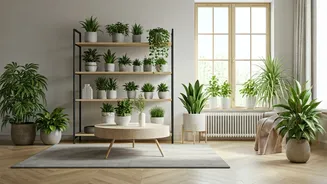
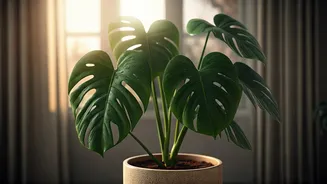
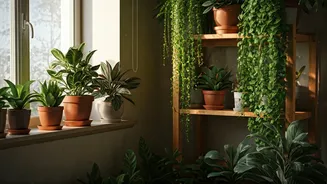
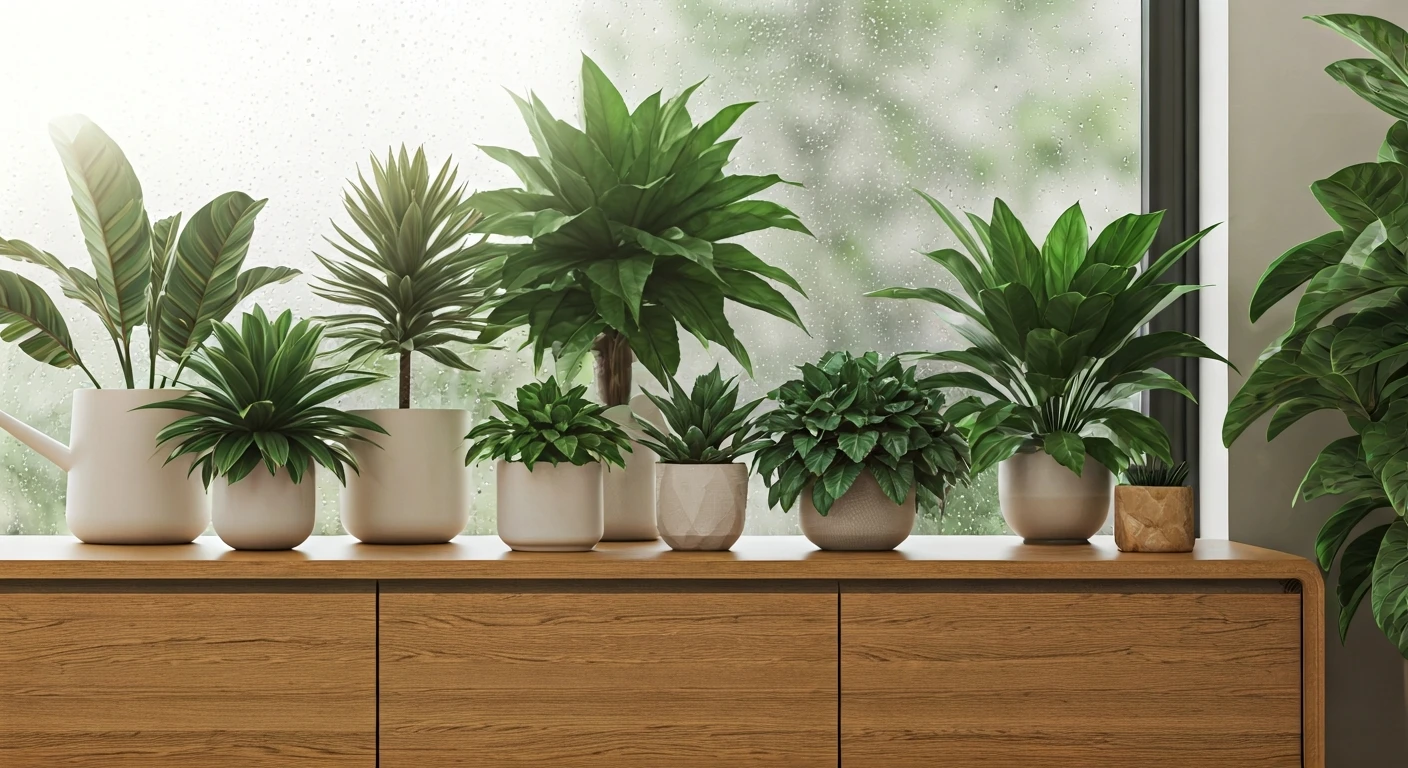
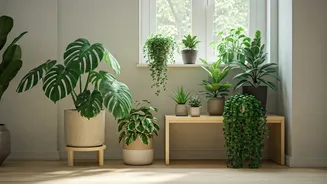
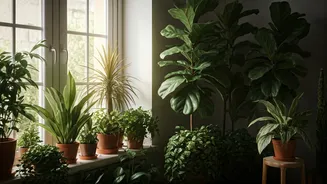
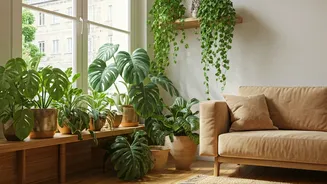
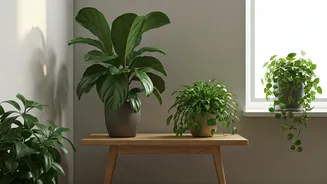
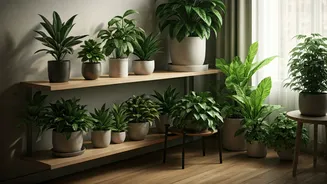
The easiest entry point into biophilic design is through plants. They instantly boost air quality and add life to a room. For Indian homes, consider hardy, low-maintenance options like Snake Plants, ZZ Plants, or Pothos (Money Plant). You don't need a jungle to feel the effects. Start by placing a plant on your desk or a in a corner that needs some love. For a bigger statement, consider a vertical garden or 'living wall', which can become a stunning focal point. Grouping plants of different sizes and textures can also create a lush, layered look.
Maximise Natural Light and Views
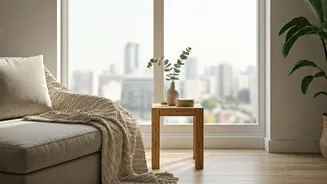
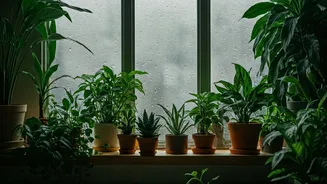
Sunlight is a powerful mood and energy booster. Maximise the natural light in your home by using sheer curtains instead of heavy drapes. Keep window sills clear to let in as much light as possible. If you can, arrange your furniture to take advantage of a view, even if it's just a sliver of the sky or a single tree. This creates a visual connection to the outdoors, which is a key principle of biophilic design. Mirrors can also be strategically placed to reflect light and make spaces feel brighter and more open.
Embrace Natural Materials and Textures
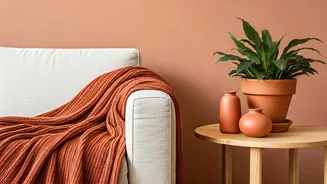
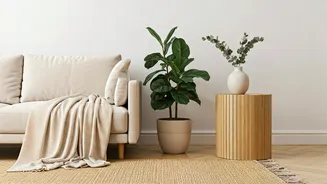
Move beyond the visual and engage your sense of touch. Incorporate materials that are common in nature. Think furniture made from wood, rattan, or bamboo. Use textiles like cotton, linen, and wool for throws, cushions, and rugs. These materials add warmth, texture, and an organic feel to a space. You can also bring in elements like stone, terracotta, and clay through decorative objects, planters, or even accent walls. These natural textures ground a space and make it feel more authentic and calming.
Incorporate Natural Shapes and Scents
Nature rarely has perfectly straight lines. Look for furniture and decor with soft curves and organic shapes that mimic forms found in the natural world. This could be a curved sofa, a round coffee table, or accessories shaped like leaves or pebbles. Also, consider how your home smells. Instead of artificial air fresheners, use essential oil diffusers with scents like sandalwood or jasmine, or simply keep fresh flowers and herbs. Even the soothing sound of a small indoor water fountain can enhance the tranquil, nature-connected atmosphere.