




As the seasons change, so do our cravings. Sweet potatoes and chestnuts are two popular foods, but how do they stack up nutritionally? If Vitamin A is your goal, understanding the difference between them is key to a healthier diet.
First, What Is Vitamin A?
Before we dive into
the comparison, it’s important to understand what Vitamin A is and why it matters. This essential nutrient is vital for healthy vision, a strong immune system, reproduction, and proper organ function, including for the heart and kidneys. There are two main types of Vitamin A in our diet. The first is preformed Vitamin A (retinol), found in animal products like dairy, fish, and meat. The second is provitamin A carotenoids, found in fruits, vegetables, and other plant-based foods. The most common carotenoid is beta-carotene, the pigment that gives many foods their deep orange or yellow colour. Your body converts beta-carotene into the active form of Vitamin A as needed.
Sweet Potatoes: The Vitamin A Powerhouse
When it comes to Vitamin A, the sweet potato is a certified superstar. Its vibrant orange flesh is a dead giveaway for its rich beta-carotene content. A single medium baked sweet potato can provide well over 100% of your recommended daily intake of Vitamin A. For example, a serving can contain roughly 1,403 micrograms (mcg) of Retinol Activity Equivalents (RAE), which is about 156% of the daily value for an adult. The recommended daily amount for adults is typically 700 mcg for women and 900 mcg for men. So, with just one sweet potato, you're easily surpassing your daily target. This makes it one of the most potent plant-based sources of this crucial vitamin available.
The Chestnut's Nutritional Profile
Roasting on an open fire, chestnuts have a unique nutritional profile that sets them apart from other nuts. They are surprisingly low in fat and calories compared to almonds or walnuts and are a good source of complex carbohydrates, which provide steady energy. They are also rich in dietary fibre, Vitamin C, and minerals like manganese and copper. However, when assessing them for Vitamin A, chestnuts fall dramatically short. Data shows they contain little to no significant amount of Vitamin A or beta-carotene. While they offer other health benefits, such as supporting digestive health and providing antioxidants, they are not a food to turn to if you are looking to boost your Vitamin A levels.
The Head-to-Head Verdict
So, how do you assess the Vitamin A content when choosing between these two? The answer is clear and simple: there is no competition. Sweet potatoes are one of the most concentrated sources of beta-carotene on the planet, while chestnuts contain virtually none. If your dietary goal is to increase your Vitamin A intake for benefits like improved eye health or immune function, the sweet potato is the undeniable winner. This doesn't mean chestnuts are unhealthy; their value simply lies elsewhere. They provide different nutrients, like a significant amount of Vitamin C, that sweet potatoes have in much smaller quantities. The choice depends entirely on your nutritional needs.
Maximising Your Vitamin A Absorption
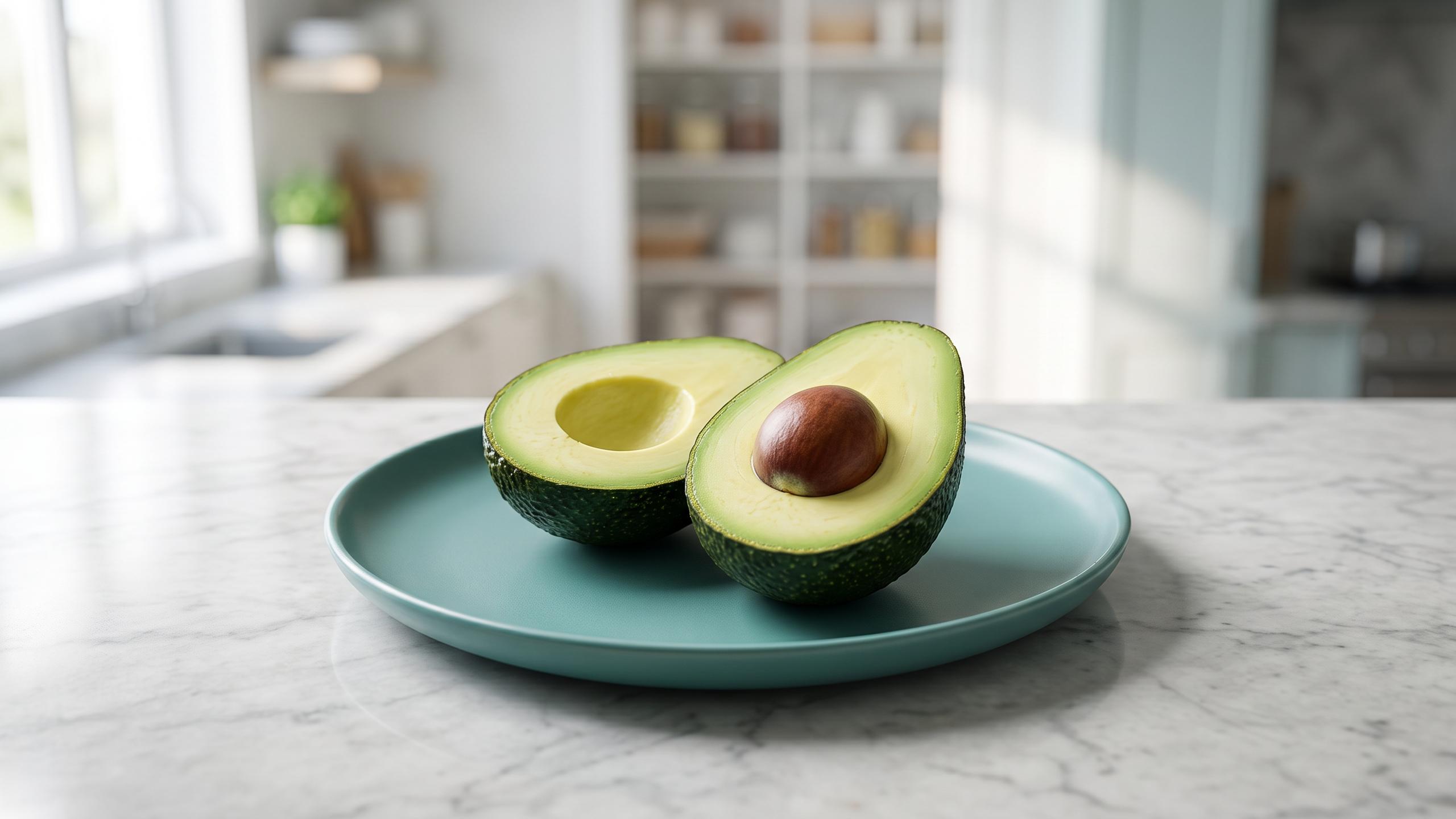
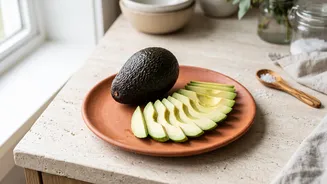
To get the most out of your sweet potato, a little preparation savvy goes a long way. Since beta_carotene is a fat_soluble compound, your body absorbs it more effectively when you consume it with a bit of fat. This doesn't require much—simply roasting your sweet potato with a drizzle of olive oil, mashing it with a small pat of butter, or pairing it with a source of healthy fat like avocado is enough to significantly boost absorption. Cooking sweet potatoes also helps increase the bioavailability of beta_carotene, making it easier for your body to convert it into Vitamin A. Leaving the skin on during cooking can help retain more nutrients as well.