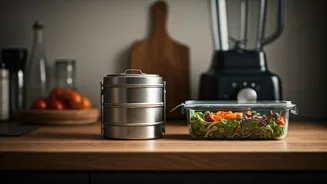




From Tiffin Boxes to Tupperware Towers
For generations, the 'dabba' or tiffin has been an integral part of Indian work life—a warm, home-cooked meal delivered with care. But the new wave of meal prepping is fundamentally different. It’s not about a single day's lunch; it’s a strategic, multi-day
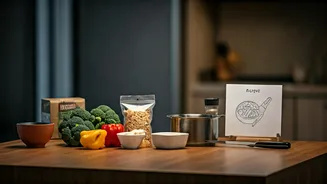
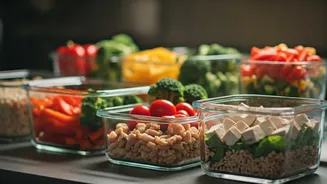
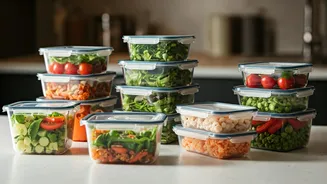
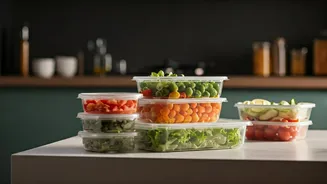
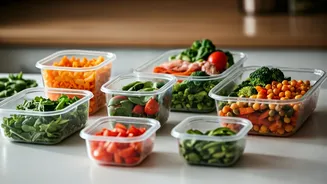
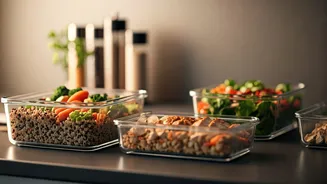
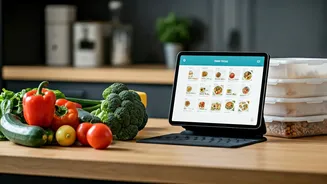
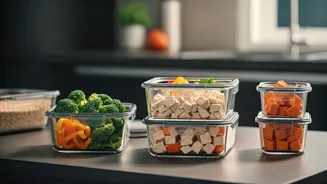
operation. Modern meal prep is a meticulously planned affair, often involving a spreadsheet or a dedicated app. The focus has shifted from the comfort of a home-cooked meal to the precision of a nutritionally-optimised one. Each container is a building block for the week ahead, designed to save time, money, and mental energy. It’s a proactive solution for the time-starved urbanite, a stark contrast to the reactive nature of ordering food or scrambling to cook after a long day at work.
The New Trinity: Time, Health, and Control
So, why the sudden explosion? The trend is fuelled by a potent combination of three modern anxieties. First is 'time poverty'. For young professionals in cities like Mumbai, Bengaluru, and Gurugram, long commutes and demanding jobs leave little room for daily cooking. Meal prepping on a Sunday afternoon reclaims hours during the week. Second is the massive surge in health and wellness consciousness. Calorie counting, macronutrient tracking (proteins, carbs, fats), and specific dietary goals like high-protein or low-carb are no longer niche concepts. Meal prep provides the perfect framework to control exactly what you eat. Finally, in a world of constant flux and digital noise, planning meals offers a tangible sense of control. It’s an anchor of predictability in an otherwise chaotic week, a small but significant way to manage one’s life.
Fuelled by Fitness and the 'Gram
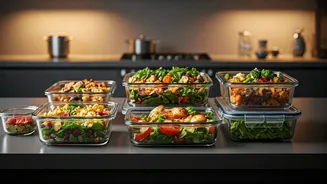
This trend didn't emerge in a vacuum. It has been heavily popularised by social media, particularly Instagram. Fitness influencers and wellness bloggers showcase their colourful, perfectly portioned meal prep boxes, turning a mundane chore into an aspirational lifestyle choice. Hashtags like #MealPrepSunday and #HealthyIndianFood are filled with images of neatly stacked containers, complete with recipes and calorie breakdowns. This visual culture has created a powerful feedback loop: people see aesthetically pleasing, healthy meals online, get inspired to try it themselves, and then share their own creations. It has gamified healthy eating, making it a visible, shareable, and community-driven activity. This global fitness aesthetic has found fertile ground in an India that is increasingly looking outward for wellness inspiration while adapting it to local tastes and ingredients.
An Industry on the Rise
Where there is demand, a market follows. The meal prep boom has spawned a thriving cottage industry and attracted venture capital. Across major cities, dozens of meal prep services have emerged, promising to deliver a week’s worth of healthy, customised meals right to your doorstep. These companies cater to every possible need, from keto and vegan diets to plans for muscle gain or weight loss. They take the 'prep' out of meal prep, offering the ultimate convenience for those who have the disposable income but lack the time or inclination to cook. Services like 'EatFit', 'Food Darzee', and countless hyper-local kitchens are a testament to the commercial viability of this trend. Their growth is a clear indicator that meal prep is not just a DIY hobby but a significant consumer movement.
Is It All Perfect Portions?
Despite its many benefits, the culture of meal prep is not without its critics. For some, the relentless focus on planning and optimisation can strip the joy and spontaneity from eating. Food, which has traditionally been a source of community and pleasure, can become just another task to be managed efficiently. There's also the risk of culinary boredom, as eating variations of the same pre-cooked meal for days can become monotonous. Moreover, the pressure to maintain a perfect meal prep routine can become another source of stress—a new benchmark in the never-ending quest for self-improvement. It raises a question about modern life: in our drive to optimise every minute, are we sacrificing the simple, unplanned pleasures of life, like cooking and eating a fresh, impromptu meal?