




The Vibe: Tea Estates vs. Colonial Town
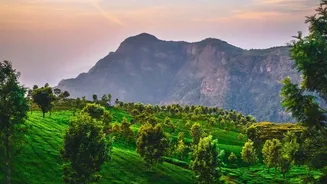
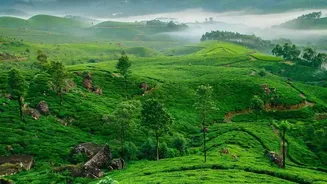
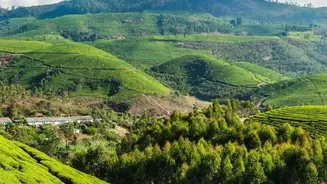
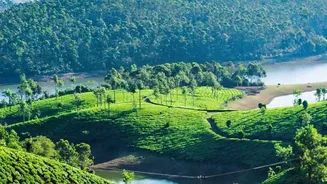
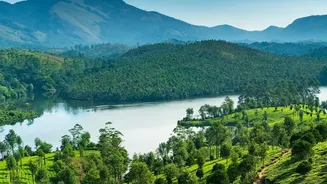
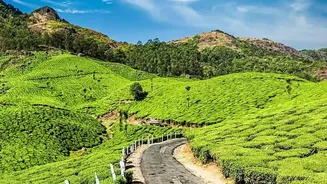
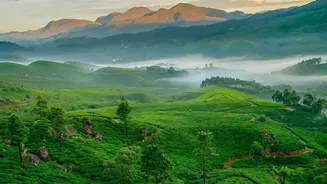
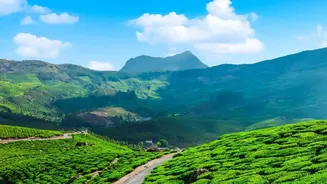
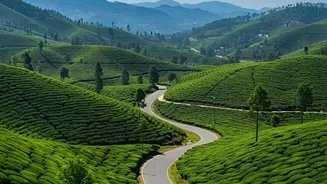
The fundamental difference between Munnar and Ooty lies in their character. Munnar is not a town you visit, but a landscape you inhabit. The destination is its sprawling tea plantations, which cover the hillsides in a sea of green. The experience is about
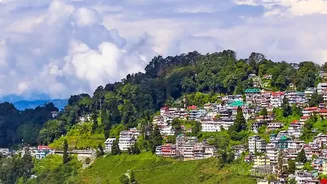
staying in resorts or homestays nestled within this scenery and driving through winding roads to reach waterfalls and viewpoints. Ooty, officially Udhagamandalam, is the quintessential colonial hill station. It's a bustling town with a defined centre, heritage architecture, and attractions like a botanical garden and a central lake that give it a more structured, traditional holiday feel. Your choice begins here: do you want to be 'in' the landscape (Munnar) or visit a town 'in' the hills (Ooty)?
Weather: Misty Mornings or Crisp Coolness
November marks the transition from monsoon to winter, and both destinations offer pleasant weather. Munnar, having just soaked in the rains, is breathtakingly lush and green. You can expect cool, comfortable days with temperatures between 15°C and 22°C, and pleasantly chilly nights. The mornings are often wrapped in a romantic mist, though there's still a chance of occasional showers left over from the monsoon. Ooty, at a higher altitude of around 2,240 metres, is noticeably colder. November days are crisp and cool, with temperatures hovering around 19°C, while nights can drop to about 12°C or even lower. While Munnar feels post-monsoon fresh, Ooty feels like the true beginning of winter, with less rainfall than Munnar during this month.
Scenery and Attractions: Natural Grandeur vs. Manicured Beauty
Munnar's allure is its natural, large-scale beauty. Key attractions include visiting the Eravikulam National Park to see the Nilgiri Tahr, taking in the views from Top Station, and boating at Mattupetty Dam. Of course, the main activity is simply experiencing the tea estates, perhaps by visiting the KDHP Tea Museum to understand the journey from leaf to cup. Ooty's attractions are more varied and often family-friendly. The UNESCO World Heritage Nilgiri Mountain Railway, or 'toy train', is a star attraction. Other must-visits include the sprawling Government Botanical Gardens, the scenic Ooty Lake for boating, and the Rose Garden. Doddabetta Peak offers panoramic views of the Nilgiris. While Ooty also has tea gardens, they are one of many attractions rather than the singular focus they are in Munnar.
Crowds and Costs: Shoulder Season Benefits
November is a sweet spot for visiting both hill stations. The heavy monsoon crowds have departed, and the peak winter holiday rush of December and January has not yet begun. In Munnar, November is considered the start of the peak season, so while it's popular, it's not as overwhelmingly crowded as it will be a month later. Ooty sees moderate crowds in November, offering a more relaxed experience than its busy summer season. For both destinations, it's wise to book accommodation in advance, but you'll likely find more availability and slightly better rates than during the absolute peak. This 'shoulder season' feel means you get the benefit of great weather without the biggest crowds.
Accessibility: Reaching Your Hilltop Haven
Your starting point might influence your decision. Munnar, in Kerala, is most easily accessed from Cochin International Airport (COK), which is about a 3-4 hour scenic, winding drive away. Ooty, in Tamil Nadu, is closest to Coimbatore International Airport (CJB), with a similar drive time of about 3 hours. Both destinations are well-connected by road to major cities in their respective states, but neither has its own airport or major railway station right in town, apart from Ooty's famous narrow-gauge railway.