


Igniting Curiosity Beyond Textbooks
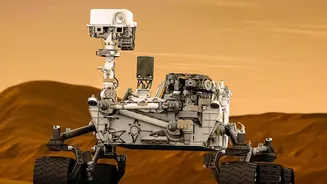
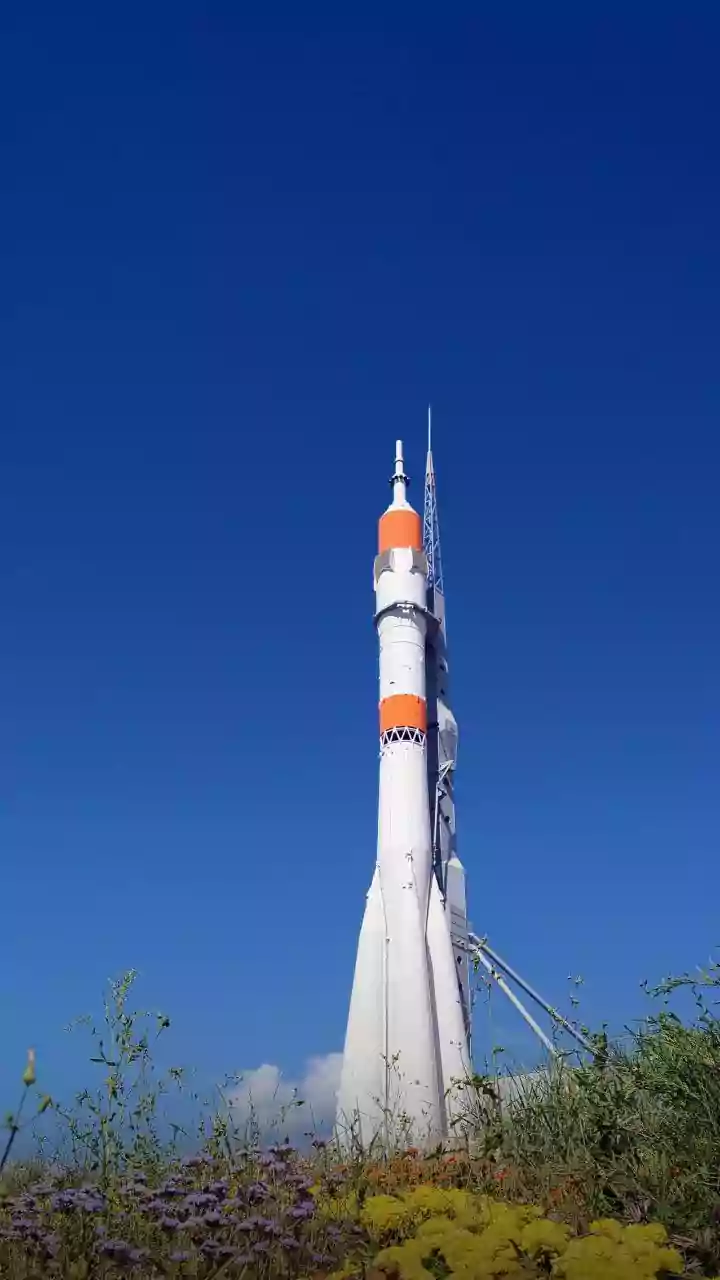
For many students, science and mathematics can feel abstract and disconnected from the real world. Space exploration acts as a powerful catalyst, transforming complex principles of physics, chemistry, and biology into thrilling, tangible concepts. Watching
a rocket launch or seeing images from a Mars rover makes concepts like gravity, propulsion, and atmospheric science come alive. This approach encourages an inquiry-driven mindset, where students are motivated to ask 'why' and 'how' instead of simply memorizing facts. Educational experts note that this curiosity is the first step towards a deeper, lifelong engagement with Science, Technology, Engineering, and Mathematics (STEM) fields.
Developing Critical 21st-Century Skills
Space science is not just about learning facts; it is about solving complex problems. Early engagement with space-related projects, even simple ones like building a model rocket or coding a small simulation, teaches invaluable skills. These activities nurture critical thinking, creativity, and collaboration—competencies that are essential for the modern workforce. The process of designing a mission, accounting for variables, and working in a team mirrors the challenges faced in many professional fields. This kind of experiential, hands-on learning moves education beyond rote memorization and equips students with the adaptability and problem-solving abilities needed for future careers.
The ISRO Effect: From National Pride to Career Paths
The Indian Space Research Organisation (ISRO) has become a major source of national pride, and its achievements have sparked immense interest among students across the country. ISRO has strategically leveraged this enthusiasm through various outreach initiatives. Programmes like YUVIKA, or the "Young Scientist Programme," are designed to "catch them young" by giving school students direct exposure to space science and technology. This two-week residential programme provides hands-on activities, lectures from senior scientists, and a firsthand look at India's space endeavours. By connecting classroom learning to national achievements, ISRO is actively building a pipeline of future scientists and engineers.
Fuelling India's Growing Space Economy
The perception of a space career is expanding far beyond just becoming an astronaut. India's space economy, currently valued at around $8.4 billion, is projected to grow significantly, with a goal of reaching $44 billion by 2033. This growth is fuelled by a booming private sector, with hundreds of new startups entering fields like satellite manufacturing, data analysis, and downstream applications. These companies will require a diverse workforce with skills in aerospace engineering, data science, robotics, and even space medicine. Early exposure to space science opens students' eyes to these varied and viable career paths, preparing them to contribute to and benefit from this burgeoning industry.
Making Space Accessible for All
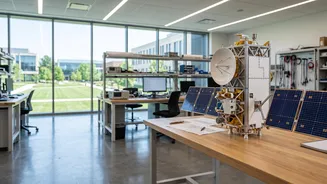
Bringing space science into the lives of students doesn't always require a high-tech lab. The movement to integrate space education is gaining momentum, aligning with the National Education Policy's focus on experiential learning. Initiatives like setting up space labs in government schools, as seen in Himachal Pradesh, are making science more tangible for rural students. Organisations like SPACE India offer workshops, astronomy clubs, and even mobile planetariums to bring the cosmos closer to schools. For parents and educators, resources are more accessible than ever, from ISRO's online knowledge portal to virtual reality simulations and museum visits, all of which can spark a child's imagination and set them on a new trajectory.