







An Age-Old Question for Dog Lovers
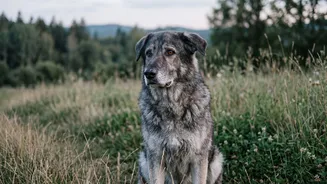
Anyone who has loved a large dog, from a gentle Golden Retriever to a majestic Saint Bernard, is familiar with the bittersweet reality of their rapid aging. While smaller breeds like Indies or Pomeranians often enjoy lifespans well into their teens, their larger
cousins are considered senior citizens by age six or seven. For decades, this was a painful observation without a clear explanation. We knew it happened, but not why. Theories pointed to the strain of rapid growth or higher cancer rates in big breeds, but the precise cellular mechanics remained a mystery. This disparity is especially puzzling because across the wider animal kingdom, size usually equals longevity—elephants outlive mice, and whales outlive seals. Dogs have been a perplexing exception to this rule.
Beyond Genes: A Look at Epigenetics
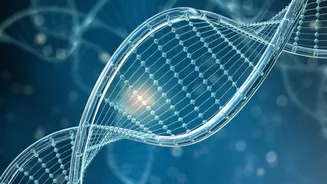
The answer, it seems, lies not just in a dog's genes, but in how those genes are controlled. Think of your dog's DNA as a massive cookbook full of recipes. Epigenetics is like a collection of sticky notes and highlighters that tell the body which recipes to use, how often, and when. These notes don't change the recipes themselves, but they manage how they're expressed. One of the most important types of these 'sticky notes' is DNA methylation. These are tiny chemical tags that attach to DNA and can effectively switch genes on or off. This process is a normal part of life, and the patterns of methylation change predictably as an animal gets older. Scientists can now read these patterns to build what they call an 'epigenetic clock', which measures an animal's biological age, as opposed to just its chronological age in years.
What the Groundbreaking Study Found
A recent study, published in the journal 'Science' and involving hundreds of dogs from the Dog Aging Project, used this epigenetic clock to get to the bottom of the mystery. Researchers mapped the DNA methylation patterns across numerous breeds of all sizes. The results were clear: large dogs age faster at a molecular level. Specifically, the study found that large dogs experience a more rapid loss of methylation over time compared to small dogs. This loss of the 'sticky notes' was particularly pronounced in certain areas of the DNA called 'jumping genes' or transposable elements.
The Problem with 'Jumping Genes'
These 'jumping genes' are ancient, mobile pieces of DNA that can copy themselves and move to different locations in the genome. The body's methylation process acts like a leash, keeping these disruptive elements quiet and in their place. However, the study revealed that as dogs age, this leash loosens, a process called methylation loss. In large breeds, this leash loosens much faster. Giant breeds lost about 35% more of these chemical tags per year on a major family of jumping genes than small breeds did. When these jumping genes are no longer restrained, they can become more active, potentially causing DNA damage, genomic instability, and inflammation—all key drivers of the aging process. This suggests the faster aging seen in large dogs is driven, at least in part, by a loss of control over these chaotic genetic elements.
The Trade-Off of Growing Big, Fast
This leads to the 'live fast, die young' hypothesis of canine aging. The intense and rapid growth that a Great Dane puppy undergoes in its first year—from a few kilograms to over 50—puts an enormous strain on the body. Researchers believe there is an evolutionary trade-off at play. The biological push for rapid growth may come at the expense of long-term cellular maintenance. The body diverts resources to getting big quickly, and as a result, has fewer resources left to maintain the integrity of the epigenome, leading to faster methylation loss and accelerated aging. This selective breeding by humans for larger sizes may have unintentionally created a life lived in fast-forward at the molecular level.
What This Means for Our Big Dogs
While this research provides a powerful explanation, it doesn't yet offer a way to stop or reverse this process. There is no magic pill to slow your dog's epigenetic clock. However, understanding the mechanism is the critical first step. It opens the door for future research into targeted nutritional supplements or therapies that could support epigenetic health and promote healthier aging in our larger companions. For now, the best thing owners can do is focus on the fundamentals that are proven to support a long and healthy life: excellent nutrition, maintaining a lean body weight to reduce stress on the body, regular exercise, and consistent veterinary care to catch any age-related diseases early.