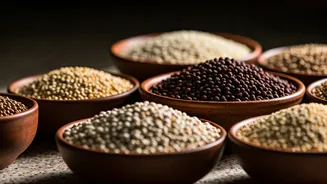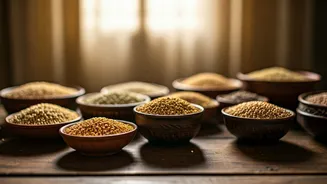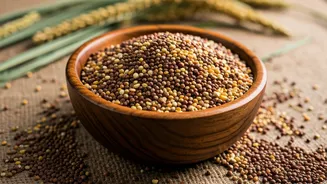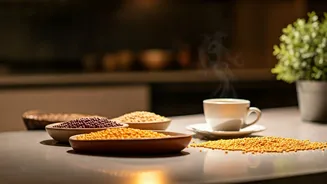





From 'Superfood' Fad to Daily Staple
The conversation around millets has fundamentally changed. What was once dismissed as "poor man's food" or confined to the shelves of specialty health stores is now a common sight in urban grocery carts. [23] This shift gained significant traction following
the UN's declaration of 2023 as the International Year of Millets, an initiative championed by India. [13, 22] The campaign successfully sparked widespread awareness about the nutritional and environmental benefits of these grains, encouraging people to look beyond just wheat and rice. [13, 19] The result is a growing trend where millets are no longer just for special occasions or health experiments but are being seamlessly integrated into daily meals. [9]
A Perfect Storm of Health and Policy
Several factors are fueling this millet renaissance. A major driver is a surge in health consciousness, with more people seeking out nutritious, gluten-free, and low-glycemic index foods to manage lifestyle diseases like diabetes. [5, 9] Millets, which are packed with fibre, protein, and essential minerals like iron and calcium, fit this need perfectly. [7, 11] This consumer-led demand is bolstered by strong government support. Initiatives like the National Food Security Mission and Production Linked Incentive (PLI) schemes are encouraging farmers to cultivate millets and food companies to create ready-to-use millet products. [3, 6, 8] This two-pronged approach—growing consumer interest and supportive government action—has created the ideal environment for millets to thrive. [24]
The Nutritional Edge Over Wheat and Rice
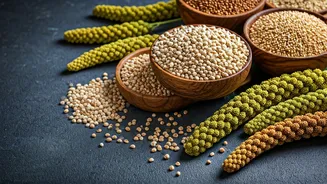
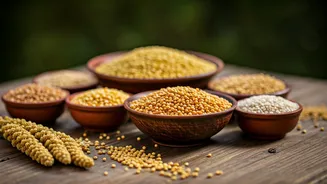
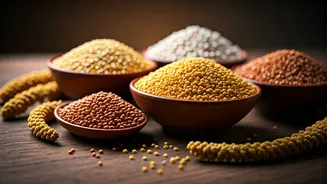
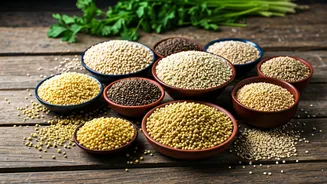
So, what makes millets a nutritional powerhouse? For starters, they are naturally gluten-free, making them an excellent choice for individuals with celiac disease or gluten sensitivity. [5] Their high fibre content aids digestion, promotes a feeling of fullness to help with weight management, and helps control blood sugar spikes. [5, 9, 11] Different millets offer unique benefits: Ragi (finger millet) is a fantastic source of calcium, crucial for bone health, while Bajra (pearl millet) is rich in iron and magnesium, which supports heart health. [7, 12] Varieties like Jowar (sorghum), Foxtail, and Barnyard millet are particularly beneficial for those looking to manage their blood sugar levels due to their low glycemic index. [5, 12]
Beyond Bhakri: A World of Culinary Creativity
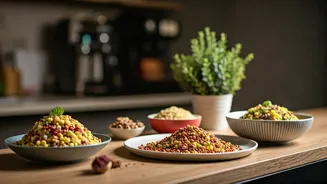
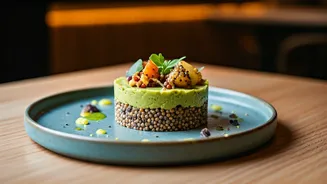
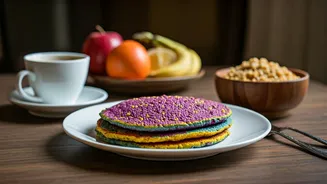
One of the biggest breakthroughs in popularizing millets has been showcasing their incredible versatility. While traditional preparations like bhakri, khichdi, and porridge remain beloved, home cooks and chefs are now using millets in innovative ways. [4, 18] You can find millet flour being used to make fermentation-free dosas, fluffy idlis, and multigrain rotis. [4, 14, 18] Cooked whole millets serve as a fantastic, nutrient-dense substitute for rice in dishes like pulao, lemon rice, and bisibelebath. [10, 15] They can be added to salads and soups for texture and nutrition or even used in baking to create healthy cookies and cakes. [15, 18] This adaptability makes it easy to incorporate them into any meal of the day, from a breakfast upma to a dessert kheer. [10, 14]
Your Guide to Getting Started
Ready to jump on the millet bandwagon? It's easier than you think. A crucial first step is to rinse the grains thoroughly and soak them for at least 4-6 hours, or ideally overnight. [21, 26, 28] This process breaks down phytic acid, an anti-nutrient that can interfere with mineral absorption, and makes the grains easier to digest. [26] For a nuttier flavour, try dry roasting the millets in a pan for a few minutes before cooking. [21, 25] A good starting point is to replace rice with a millet variety in a familiar recipe. Little millet and Foxtail millet are great for upma and pulao, while Ragi flour is perfect for dosas and porridge. [4, 10] Don't be afraid to experiment; start by making one millet-based meal a week and explore different types to find your favourites. [15]