



Tired of city skies where only the brightest few stars break through the haze? India offers some of the planet’s most pristine nightscapes, where the Milky Way spills across the sky. Here are eight spots to see the cosmos in all its glory.
Hanle, Ladakh: The Official Dark Sky Reserve
For the ultimate
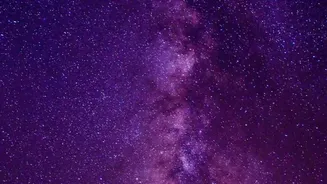
stargazing experience, head to Hanle in the remote Changthang region of Ladakh. Officially designated as India's first Dark Sky Reserve, this high-altitude cold desert at nearly 15,000 feet offers exceptionally clear and dark skies. Home to the Indian Astronomical Observatory, the area is protected from light pollution, making the Milky Way and distant galaxies visible to the naked eye. The journey is demanding and requires acclimatization, but the reward is a view of the universe that few places on Earth can match. The best time to visit is from June to September during the new moon phase.
Spiti Valley, Himachal Pradesh: A High-Altitude Desert Canvas
Spiti Valley is a high-altitude desert known for its stark, stunning landscapes and Tibetan Buddhist monasteries. Its remote location, thin atmosphere, and minimal light pollution create a perfect recipe for brilliant stargazing. Villages like Kibber, Komic, and Langza are legendary among astrophotographers. Imagine seeing the Milky Way arch over a centuries-old monastery or a giant Buddha statue. The dry climate means clear nights are common, especially from May to October, making it an accessible yet otherworldly destination for any adventurous traveler.
Pangong Tso, Ladakh: Stars Reflected on Water
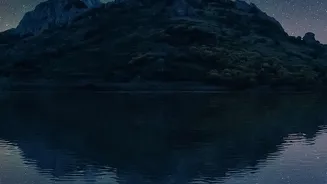
Famous for its stunning, color-changing waters, Pangong Tso Lake offers a dual spectacle at night. Located at an altitude of over 14,000 feet, the sky here is incredibly dark and clear. On a calm, moonless night, you can witness the breathtaking sight of the star-filled sky perfectly reflected on the lake’s surface. It’s a surreal, almost spiritual experience. The best views of the Milky Way are between June and September. Camping near the lake (in designated spots) allows you to step out of your tent and into a cosmic theater.
Rann of Kutch, Gujarat: A Universe Over Salt Flats
Stargazing from a vast, white salt desert is an experience unlike any other. The Great Rann of Kutch offers an almost perfectly flat, unobstructed horizon under one of India's darkest skies. During the Rann Utsav festival (typically November to February), you can combine cultural immersion with astronomy. Lying on the cool salt flats as constellations pop into view one by one is a profound experience. The dry winter air ensures crystal-clear visibility, making it a top spot for seeing the night sky in all its splendor.
Jaisalmer, Rajasthan: Desert Camping Under the Stars
Combine the romance of the Thar Desert with the wonder of the cosmos in Jaisalmer. Many desert camps located in the Sam Sand Dunes, far from city lights, offer stargazing as part of their experience. After a camel safari and a traditional Rajasthani dinner, you can lay back on the sand and watch the desert sky come alive. The clean, dry desert air provides fantastic viewing conditions, especially from October to March, revealing constellations and even the Milky Way against a dramatic dune backdrop.
Neil Island, Andaman and Nicobar Islands: Tropical Cosmic Views
For a completely different vibe, head to Neil Island (Shaheed Dweep). Here, you trade mountains and deserts for palm-fringed beaches and the sound of the ocean. The island's minimal development means very little light pollution, offering pristine views of the celestial sphere. Strolling along a quiet beach like Laxmanpur or Sitapur after dark, you’ll see the sky filled with stars. The best season for clear skies is between November and April, when the weather is dry.
Coorg, Karnataka: Coffee Plantations and Constellations
Nestled in the Western Ghats, Coorg is known for its lush coffee plantations and misty hills. But away from the main town of Madikeri, its southern valleys offer surprisingly dark skies. Areas near the Brahmagiri Wildlife Sanctuary are dark enough to see the Milky Way's dust lanes with the naked eye. It’s a fantastic option for those in South India looking for an accessible getaway. The stargazing season runs from November through May, offering a chance to sip local coffee by day and explore the cosmos by night.
Katao, Sikkim: The Unspoiled Eastern Himalayas
Often called the 'Switzerland of India', the high altitude valley of Katao in North Sikkim is a lesser known gem for stargazers. Situated at around 15,000 feet,
its remoteness near many Indo China border guarantees dark unpolluted skies.
Here you can see stars against backdrop of snow capped peaks and prayer flags.
The best time for clear skies is from October to March.
It’s an off path choice for travelers seeking solitude and pristine connection with night sky.