




The Enduring Appeal of Gold
Gold is more than just a shiny metal; it’s a historical store of value. Unlike currencies, its supply is finite, and it isn't tied to any single government's policies or a company's earnings report. This is why, for generations, people have turned to gold
to preserve their wealth, especially during periods of economic, financial, or geopolitical stress. In India, this financial logic is deeply intertwined with cultural significance, making gold a staple in households for both adornment and security. Central banks around the world also hold vast gold reserves as a safeguard against financial turmoil, reinforcing its status as a critical asset.
Understanding the Long-Term Growth
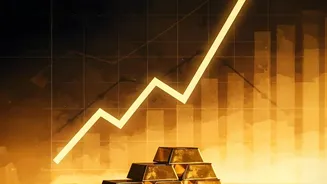
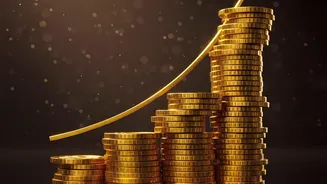
Despite its ups and downs, gold's price has appreciated significantly over long periods. The primary driver for this is its role as a hedge against inflation. When the purchasing power of money decreases, gold tends to hold its value, or even increase. This long-term upward trend is also supported by consistent demand from various sectors, including jewellery, technology, and, crucially, central banks diversifying their reserves away from a total reliance on the US dollar. The result is a performance history that, over decades, often outpaces traditional assets during the most significant market crises.
Why Prices Suddenly Drop
If gold is so reliable long-term, why does it suffer such sharp declines? The answer lies in the factors that influence its short-term price. One of the biggest is interest rates. Since gold pays no interest or dividends, it becomes less attractive when assets like bonds start offering higher yields. A strong US dollar also tends to push gold prices down, as gold is priced in dollars globally, making it more expensive for buyers using other currencies. Furthermore, in periods of extreme market panic, investors may be forced to sell their gold holdings to cover losses in other assets like stocks, causing a temporary price drop even when you'd expect a 'safe haven' to rise.
A History of Volatility
History is filled with examples of these declines. After peaking in 1980, gold prices entered a long bear market, partly due to aggressive interest rate hikes in the US. More recently, after hitting a high in 2011, prices fell for several years as fears from the 2008 financial crisis subsided and economic optimism returned. Even during the initial shocks of the 2008 crisis and the COVID-19 pandemic in 2020, gold saw sharp, albeit brief, sell-offs before recovering and hitting new highs. The first half of 2026 provided another case study in volatility, with gold surging to a new record in January before a 22% correction driven by a stronger dollar and shifting interest rate expectations.
The Investor's Perspective
So, what should an investor make of this? The key is to understand gold's role in a portfolio. It's not a tool for rapid, short-term profits but a strategic component for diversification. Because gold often behaves differently from stocks and bonds, adding a modest allocation can help reduce overall portfolio volatility and cushion against losses during market stress. Financial experts often suggest that a small, planned allocation to gold can be a sensible risk-management decision, but it's not a magic bullet. Its returns depend solely on price changes, and it can underperform for long stretches.