



The Rise of the Living Room Gym
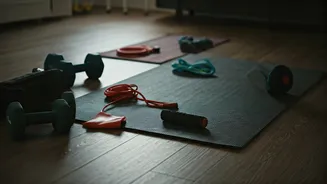
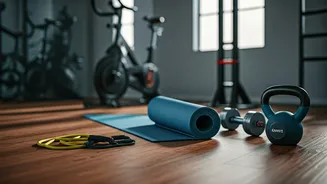
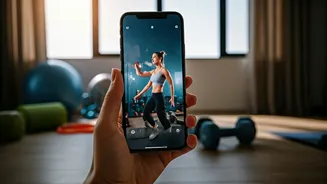
The explosion of at-home fitness challenges is no accident. It’s the result of a perfect storm. The global pandemic forced gyms to close and confined people to their homes, creating an unprecedented demand for accessible workout solutions. Suddenly, the living
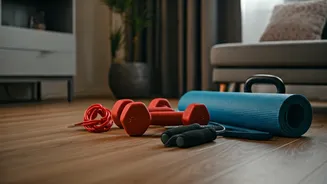
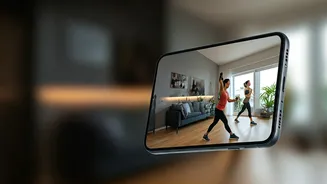
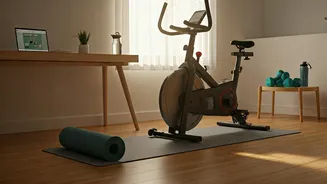
room, a space once reserved for relaxation, transformed into a makeshift yoga studio, weight room, and HIIT zone. This shift coincided with the meteoric rise of short-form video platforms like TikTok and Instagram Reels, which provided the ideal medium for sharing quick, digestible workout clips. Influencers and everyday users alike began documenting their fitness journeys, creating a viral loop of motivation and participation. The low barrier to entry—often requiring little to no equipment—made it easy for millions to join in, turning a personal goal into a global movement.
The Psychology of the Challenge
Why are these challenges so compelling? It boils down to basic human psychology. Firstly, they offer structure and clarity in a world that can feel chaotic. A challenge with a defined start date, end date, and daily tasks (e.g., “Day 5: 20-minute HIIT and 100 crunches”) removes the guesswork from fitness. Secondly, they tap into our desire for community and accountability. When you join a challenge using a specific hashtag, you’re instantly connected to thousands of others on the same path. This shared experience fosters a sense of belonging and encourages you to stick with it. Finally, challenges gamify exercise. Ticking off each day’s workout provides a small dopamine hit, creating a satisfying feedback loop that makes you want to keep going until you reach the finish line.
From Chloe Ting to #75Hard
While countless challenges exist, a few have reached iconic status. Chloe Ting, an Australian fitness influencer, became a household name with her free, multi-week programmes like the “2 Week Shred.” Her friendly demeanor and beginner-friendly modifications attracted a massive following, especially among those new to fitness. At the other end of the spectrum is #75Hard, a “mental toughness program” created by entrepreneur Andy Frisella. It’s notoriously stringent, requiring participants to follow five rules for 75 consecutive days: follow a diet, complete two 45-minute workouts (one outdoors), drink a gallon of water, read 10 pages of a non-fiction book, and take a progress picture daily. Its rigidity is part of its appeal, promising not just physical transformation but a complete lifestyle overhaul.
The Not-So-Fit Side Effects
Despite their popularity, social media fitness challenges come with significant risks. Many are created by influencers without formal fitness qualifications, leading to poorly designed programmes that can increase the risk of injury. The one-size-fits-all approach ignores individual fitness levels, health conditions, and personal goals. A workout that’s perfect for one person could be dangerous for another. Furthermore, the intense focus on rapid physical transformations and before-and-after photos can fuel negative body image and comparison culture. The pressure to achieve a certain look in a short timeframe can lead to disappointment and an unhealthy relationship with exercise, viewing it as a punishment rather than a sustainable part of a healthy lifestyle. The “all or nothing” mentality of many challenges, like #75Hard, can also be problematic, promoting guilt and a sense of failure if a single day is missed.
How to Choose Your Challenge Wisely
If you're tempted to try a social media fitness challenge, it's crucial to approach it with a critical eye. First, research the creator. Are they a certified personal trainer or a physical therapist? Look for credentials, not just follower counts. Second, assess the programme's flexibility. A good challenge should offer modifications for different fitness levels and encourage rest days. Be wary of any plan that promises dramatic results in an impossibly short time or promotes extreme restrictions. Third, and most importantly, listen to your body. Pain is a signal to stop, not to push harder. The goal should be to build a consistent and enjoyable fitness habit, not to endure a punishing ordeal for the sake of a hashtag.