



A Dual-Purpose Dilemma
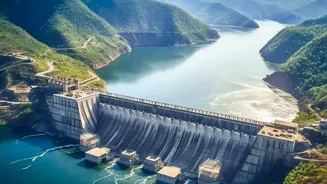
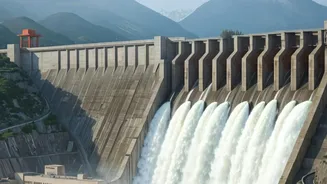
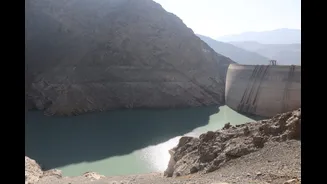
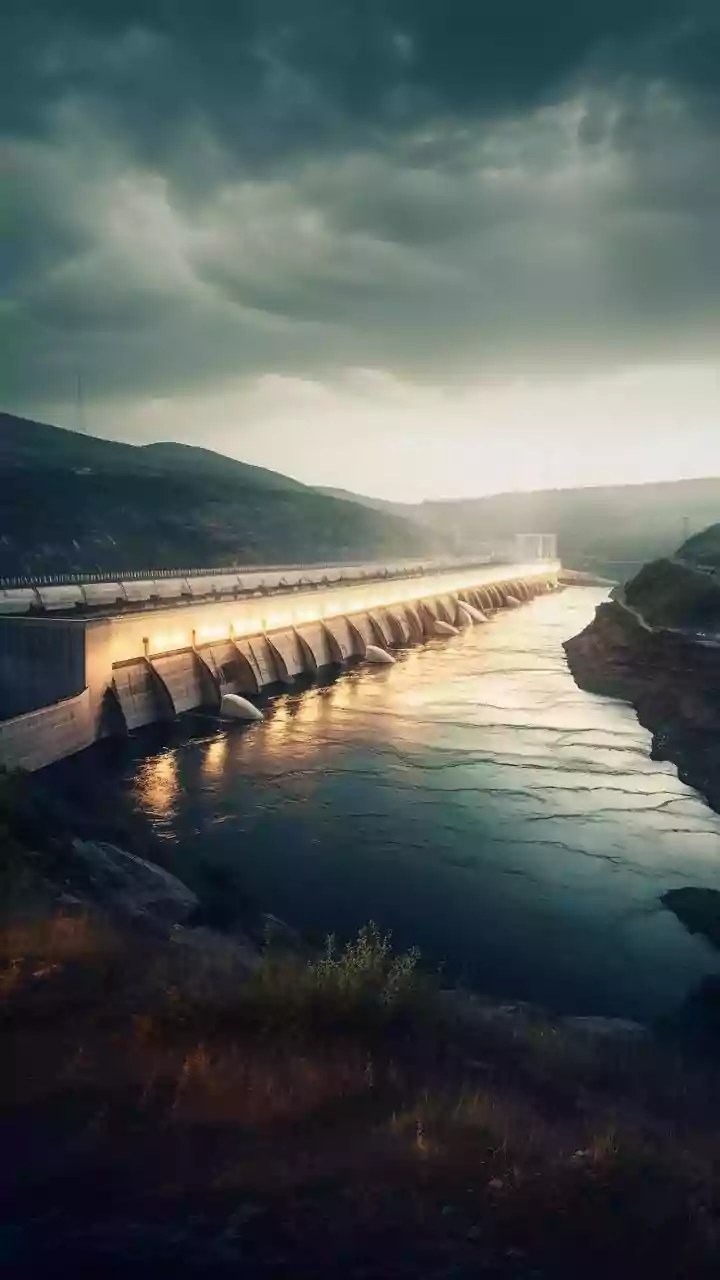
Recent reports and expert analysis have highlighted a striking geographical overlap between Iran's extensive network of dams and its clandestine military installations. For years, water security experts have questioned the sheer number of dams—at least
533 by one count—built across the country, some in areas with no clear agricultural or civilian need. The questions took on a new urgency when maps of recent US-Israeli airstrikes on suspected missile facilities showed a pattern that closely mirrored the distribution of these dams. This has led analysts to a troubling hypothesis: that some of these massive civilian engineering projects may also serve a military purpose, providing cover, power, and water to Iran's fortified underground 'missile cities'. While the connection is not definitively proven and remains speculative, the evidence has prompted a serious re-evaluation of Iran's strategic doctrine.
The Strategic Logic of Co-location
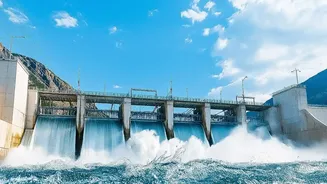
Placing a high-value military asset next to a critical piece of civilian infrastructure presents a complex strategic challenge for any adversary. Military analysts suggest two primary motivations. First, it offers logistical self-sufficiency. Sprawling underground military complexes, designed to withstand bombardment, require immense and reliable sources of water and electricity to operate independently of the national grid. A large hydroelectric dam provides both. Second, and more controversially, it functions as a powerful deterrent. An attack on a missile facility located near a dam carries the catastrophic risk of breaching the dam itself, unleashing devastating floods and creating a humanitarian disaster. This forces military planners to weigh the benefit of a strike against the immense collateral damage, effectively turning the civilian infrastructure into a shield. This approach aligns with a broader Iranian strategy of embedding military assets within civilian geography to complicate detection and targeting.
Inside the 'Missile Cities'
Iran's Islamic Revolutionary Guard Corps (IRGC) has invested for decades in creating a vast network of subterranean military bases. Often called 'missile cities', these are not simple tunnels but multi-story complexes buried deep underground, sometimes connected by rail, and equipped to manufacture, store, and launch a variety of ballistic and cruise missiles. The goal of these hardened facilities is to ensure Iran can sustain missile operations even after suffering heavy aerial bombardment. Recent reports indicate that despite targeted strikes, a vast majority of these underground sites remain at least partially operational. The construction of such facilities requires massive excavation and engineering work, activities that are much easier to conceal under the cover of a large-scale civilian project like a dam or major water pipeline.
A Furious Response
The public discussion of this potential dual-use strategy has drawn a sharp and furious response from Tehran. Iranian officials have condemned the analysis as a baseless pretext for future attacks on the country's vital infrastructure. Parliament Speaker Mohammad Bagher Ghalibaf issued a stark warning, stating that if the logic of 'dual-use' is applied to Iran's dams, then Iran will apply the same logic to any port, dam, or power plant located near US or Israeli military bases. This heated rhetoric highlights the sensitive nature of the issue. For Iran, the dams are essential for providing drinking water, irrigation, and electricity to a population that often faces water shortages. For its adversaries, the possibility that these same dams enable a hidden missile program creates a dangerous strategic ambiguity that complicates the rules of engagement in any future conflict.