


As the intense heat of the Rajasthani summer fades, a welcome coolness settles over Jaipur. The city's famed terracotta walls seem to soften in the golden winter light, beckoning visitors to explore its royal heritage at a comfortable pace.
The Allure of Winter Weather
Summer in Jaipur
can be punishing, with temperatures often soaring above 40°C, making daytime exploration an exhaustive affair. In stark contrast, the winter season, stretching from October to March, offers a delightful respite. With daytime temperatures hovering between a pleasant 22°C and 28°C and evenings turning crisp and cool, the weather is ideal for sightseeing. The clear blue skies and mild sun create perfect conditions for photography and leisurely strolls through the city's historic lanes. While January is the coldest month, with temperatures sometimes dipping to 5°C, a light jacket or shawl is usually all that's needed for the chilly mornings and evenings.
Exploring the Royal City's Treasures
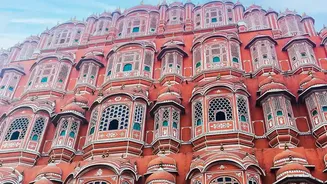
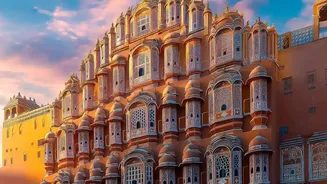
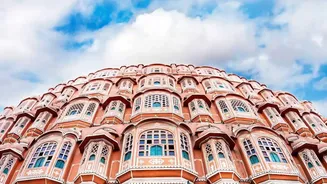
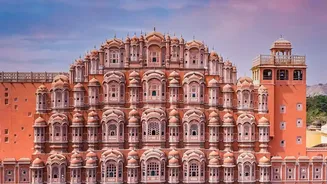
The comfortable climate makes winter the prime season for exploring Jaipur's UNESCO World Heritage-listed old city. Walking between the iconic sights becomes a joy rather than a chore. Start your day early at Hawa Mahal, the 'Palace of Winds', to see its 953 windows glow in the soft morning light. From there, it's an easy walk to the sprawling City Palace, a magnificent complex of courtyards, museums, and gardens that is still home to the royal family. Nearby, the Jantar Mantar, an 18th-century astronomical observatory, reveals its genius under the clear winter sun. This is the season to fully appreciate the city's planned layout, a vision of Maharaja Sawai Jai Singh II from 1727, and the famous pink hue that was applied in 1876 to welcome the Prince of Wales.
Majestic Forts and Sunset Vistas
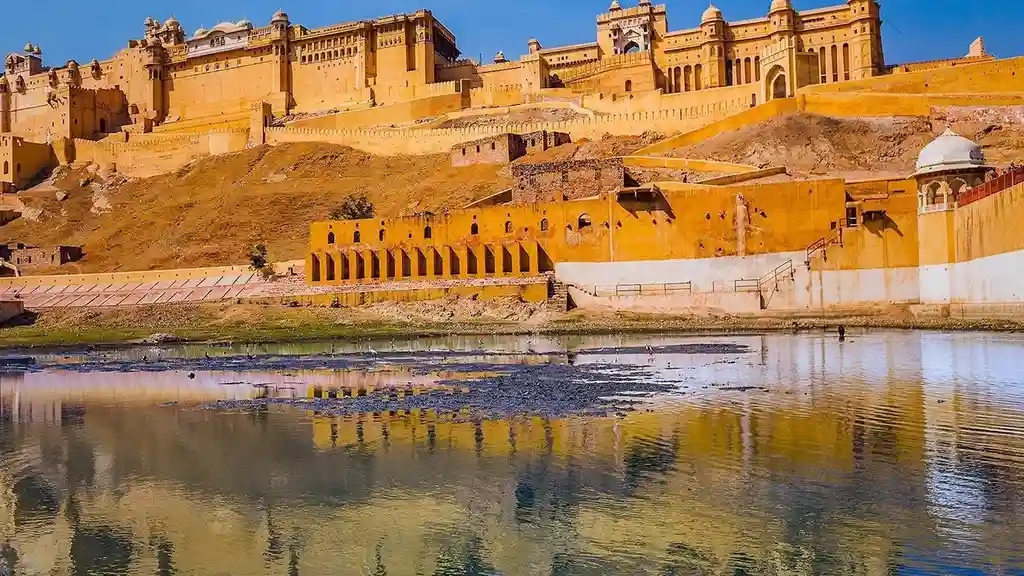
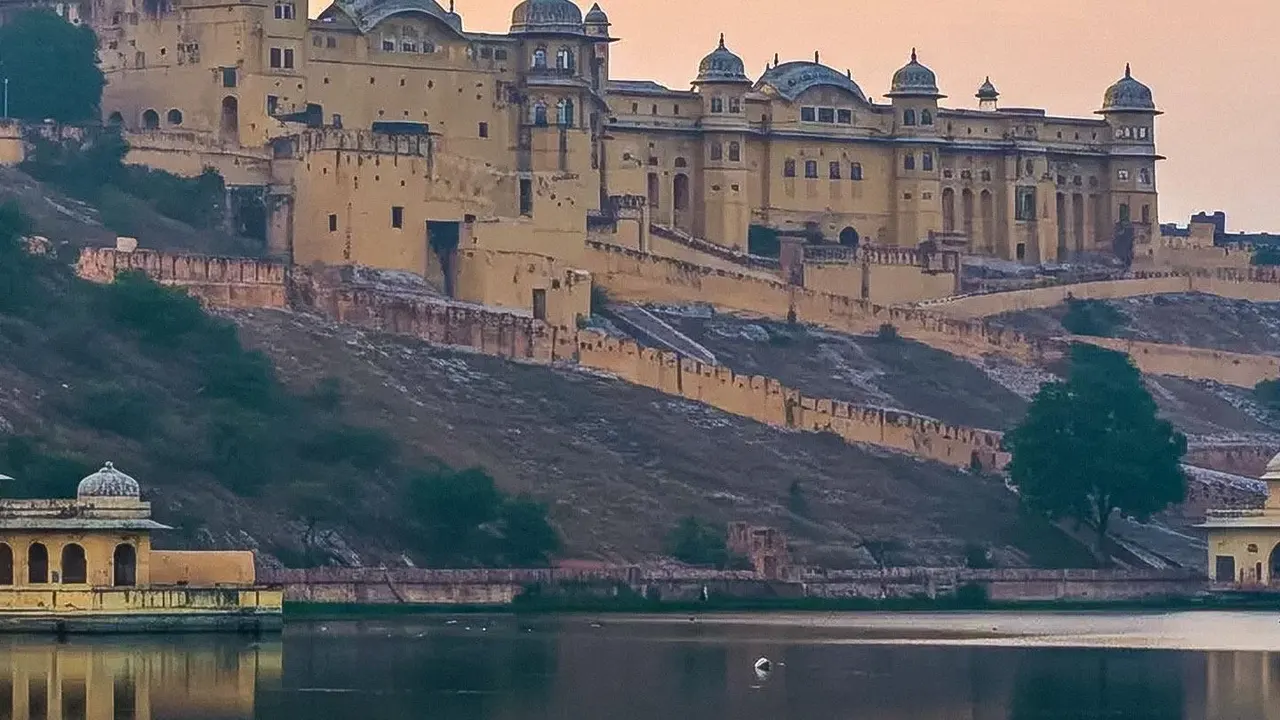
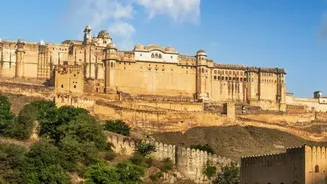
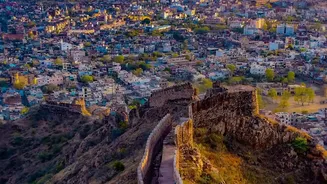
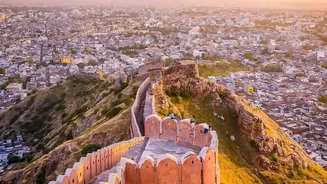
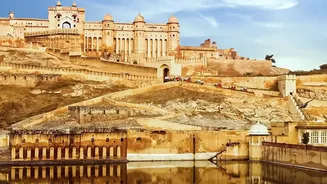
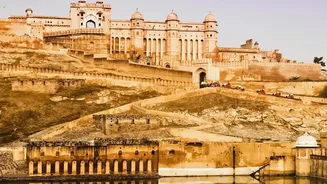
Jaipur's grand forts, perched on the Aravalli hills, are at their most accessible and dramatic in winter. The climb or jeep ride up to Amber Fort feels effortless in the cool air, allowing you to immerse yourself in its stunning architecture, including the famous Sheesh Mahal (Mirror Palace). Connected to Amber is Jaigarh Fort, home to the world's largest cannon on wheels. But for the most memorable view, head to Nahargarh Fort in the late afternoon. As the sun sets, it casts a golden glow over the entire city spread out below, a panoramic vista that is a highlight for many visitors.
A Season of Festivals and Flavours
Winter is not just about sights; it's a feast for the senses. The cooler weather brings with it a host of seasonal Rajasthani foods designed to keep you warm. Look for stalls selling 'gajak' and 'til patti', crunchy sweets made from sesame and jaggery. It's the perfect time to enjoy hearty dishes like 'bajra roti' (pearl millet flatbread) with garlic chutney or the classic 'dal baati churma'. For a hot snack, nothing beats a fresh 'pyaaz kachori'. The season also hosts the world-renowned Jaipur Literature Festival in January, a vibrant gathering of authors, thinkers, and artists from around the globe that turns the city into a global cultural hub.
Shopping in the Bustling Bazaars
Without the draining summer heat, a trip to Jaipur's famous markets is a must. The walled city's Johari Bazaar and Bapu Bazaar are a labyrinth of shops selling everything from precious gemstones and silver jewellery to colourful textiles and leather 'juttis' (shoes). The pleasant weather allows for hours of comfortable browsing, haggling, and sipping on masala chai from a clay 'kulhad'. It's an opportunity to dive into the city's living traditions of craftsmanship, which include block printing, blue pottery, and intricate Zari work.