






The Death of the Monthly Grocery List
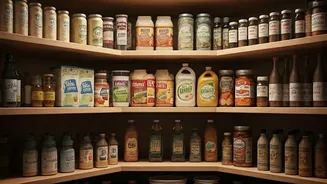
Not long ago, the weekend was synonymous with a trip to the supermarket or local market, armed with a long list for the week or even the month ahead. Pantries were filled with bulk bags of rice, atta, and dal. Today, that ritual is fading. With services
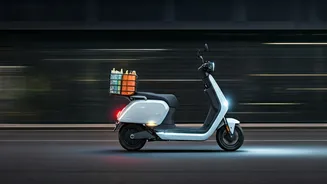
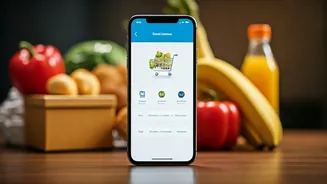
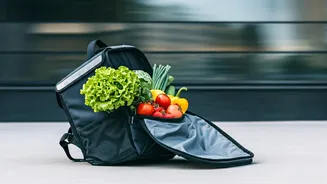
like Blinkit, Zepto, and Swiggy Instamart promising delivery in under 30 minutes, the need to stockpile has drastically reduced. The Indian quick commerce market has seen explosive growth, transforming from a niche service into a major retail channel. This shift is most prominent in urban areas, where a study found that before quick commerce, only a third of frequent shoppers preferred online channels for daily needs; now, that figure has soared to 87%. This isn't just about convenience; it's a fundamental change in household logistics. The pantry is no longer a domestic warehouse but a fluid space, restocked on demand.
From Staples to Spontaneous Cravings
Initially, quick commerce was seen as a solution for forgotten essentials—a litre of milk, a few eggs, or a packet of salt. But user behaviour has evolved rapidly. While groceries and staples still form the backbone of orders, the fastest-growing segments are often impulse-driven. Snacks and beverages are a dominant category, fueled by sudden cravings for chips or a cold drink. Beyond that, platforms are successfully expanding into non-grocery items. Categories like personal care, over-the-counter medicines, and even electronics like phone chargers are seeing significant growth. One platform noted that as customers get used to the service, they begin ordering differently, with demand spreading to beauty, wellness, and lifestyle products. This shows a transition from need-based top-ups to want-based, instant gratification purchases, fundamentally changing what 'in stock' means at home.
The Psychology of 'I Need It Now'
The appeal of quick commerce goes beyond just saving a trip to the store. It taps directly into the modern demand for instant gratification. Busy urban lifestyles, smaller living spaces with less storage, and increasing comfort with digital payments have created the perfect environment for this model to thrive. These apps are designed to be frictionless, removing any moment of hesitation before a purchase. For many, especially younger consumers like Gen Z, this has become the default way to shop. The model essentially outsources the family pantry to a network of 'dark stores'—small, local warehouses optimised for speed. Knowing that almost anything can be at your door in minutes eliminates the mental load of planning and inventory management that households traditionally shouldered.
Rethinking the Household Budget
This newfound convenience comes with financial questions. While individual items might not be significantly more expensive, the nature of quick commerce can lead to changes in spending patterns. The ease of making small, frequent purchases can result in a higher overall spend compared to a planned, bulk purchase. Studies show that these services drive 6% to 8% in incremental demand, meaning people are buying things they might have otherwise skipped. Promotional campaigns and the temptation of impulse buys can also stretch budgets. On the other hand, it can potentially reduce food waste, as families buy fresh produce in smaller quantities as needed, rather than having it spoil in the fridge. The long-term effect on household finances is complex, trading the cost of bulk discounts for the premium of unparalleled convenience.
A Ripple Effect on Local Kiranas
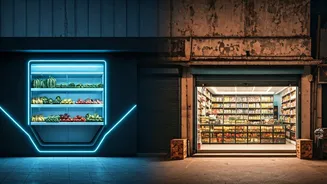
The rapid adoption of quick commerce is not happening in a vacuum. It has a significant impact on India's vast network of traditional neighbourhood kirana stores. While a large portion of quick commerce sales are shifted from other organised retail channels, a substantial amount is business that once belonged to local shops. Some analyses show that a significant percentage of quick commerce users have reduced their visits to kirana stores, reallocating a portion of their grocery budget to apps. This presents both a challenge and an opportunity for small retailers, many of whom are now exploring their own digital integrations or partnerships to compete in an increasingly on-demand world.