






It’s a curious sight for any plant lover: the new, young leaves on a tree or vine look completely different from the mature ones. This isn't a random quirk, but a clever set of survival strategies baked into the plant's DNA.
A Tale of Two Life Stages
This phenomenon, known to botanists
as heterophylly, is all about a plant adapting to its needs as it grows. Think of a plant having two distinct life phases: a juvenile stage and a mature, or adult, stage. Just like humans have different needs as babies versus adults, so do plants. The leaves a plant produces during its youth are designed for one set of tasks, while the leaves it creates in maturity are built for another. This transition is a programmed part of the plant's development, ensuring it has the right tools for the right stage of life.
A Clever Disguise for Defense
For a young, small plant, one of the biggest threats is being eaten. Tender, new growth is an attractive snack for many animals. To protect themselves, some plants produce juvenile leaves that are less appealing. They might be spikier, tougher, or have a different shape that makes them look unappetizing or even like they've already been nibbled on. For example, the juvenile leaves of English Ivy (Hedera helix) are lobed and help the plant climb, but the mature, unlobed leaves appear higher up once the plant is established and ready to flower, safely out of reach of many ground-dwelling herbivores.
Reaching for the Sun
A plant's relationship with light changes dramatically as it grows. A tiny seedling on a forest floor might be in deep shade, needing large, broad leaves to capture every possible speck of sunlight. As it grows into a tall tree, its upper leaves are exposed to intense, direct sun. In response, the mature leaves might become smaller, narrower, or thicker. This new shape is better at preventing water loss and avoiding sun damage, a crucial adaptation for life in the sunny canopy. You can see this in many Eucalyptus species, which often have round, expansive juvenile leaves and long, slender adult ones.
Adapting to the Environment
Sometimes, the leaf shape is a direct response to the immediate environment, a concept called plasticity. Aquatic plants are a perfect example. A water buttercup may have finely dissected, feathery leaves below the water's surface to reduce resistance to the current and maximize nutrient absorption. But the leaves that float on the surface are broad and solid, designed for floating and soaking up sunlight for photosynthesis. It’s the same plant, but with two completely different leaf designs perfectly suited for two different worlds—underwater and in the open air.
It’s Not Just Shape, But Color Too
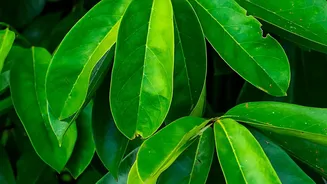
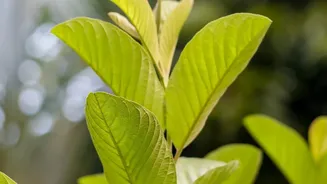
The differences aren't always limited to shape. You may have noticed that new leaves are often a brighter, lighter green than older ones. This is because their chloroplasts, the parts that contain green chlorophyll, are still developing. Some plants even produce reddish or purple new leaves. This reddish tint, caused by pigments called anthocyanins, can act like a natural sunscreen, protecting the delicate new leaf from sun damage while it matures. Once the leaf is established, the red pigment fades, and the familiar green takes over.