


Meet Moringa: The Not-So-Secret Superfood
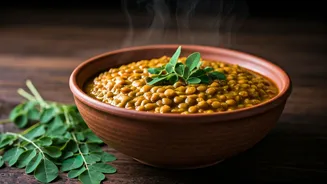
Chances are, you’ve known moringa your whole life without calling it that. We’re talking about the leaves of the drumstick tree (Moringa oleifera), a plant that’s a staple in many Indian kitchens. For generations, these delicate green leaves, known as
‘murungai keerai’ in Tamil or ‘shevgyachi pana’ in Marathi, have been used in everything from stir-fries to soups. While wellness influencers on the other side of the world are just discovering its powdered form in their smoothies, we have a direct line to this nutritional powerhouse. Packed with vitamins A and C, iron, calcium, and protein, moringa leaves are one of nature’s most potent multivitamins. Calling it a 'superfood' isn't just a marketing gimmick; it's a long-overdue recognition of what our grandmothers already knew.
Why Lentils Love Moringa
Lentils, our beloved dal, are already the backbone of a balanced Indian meal. They are a fantastic source of plant-based protein, fibre, and essential minerals like folate and manganese. They are filling, affordable, and endlessly versatile. So, why mess with a good thing? Because adding moringa doesn’t mess with it—it completes it. The combination creates a nutritional synergy. The iron in moringa is better absorbed by the body when consumed with the protein from lentils. The vitamins in the leaves complement the minerals in the dal, turning your simple lunch into a comprehensive, immune-boosting meal. It’s the easiest, most effective upgrade you can make to your daily diet without changing your routine. It’s not about a radical diet; it's about a smart addition.
The Flavour Is The Real Magic
While the nutritional stats are impressive, the 'pure magic' in the headline really comes alive in the taste. Moringa has a unique flavour profile—it’s slightly earthy and green, with a subtle bitterness reminiscent of fenugreek (methi) or spinach. When added to lentils, this flavour doesn't overpower but deepens the overall taste. It cuts through the richness of ghee or oil and adds a fresh, complex layer to the familiar comfort of dal. For a simple toor or masoor dal, it provides a welcome textural and flavour contrast. In a richer, more complex dal makhani or sambar, it balances the spices and creaminess with its clean, vegetal notes. This isn’t just about making your food healthier; it’s about making it taste more interesting and delicious.
How To Infuse Your Lentils
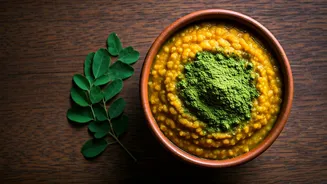
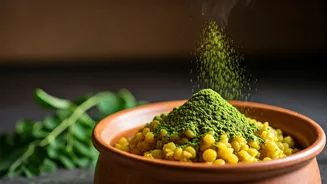
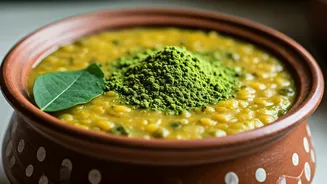
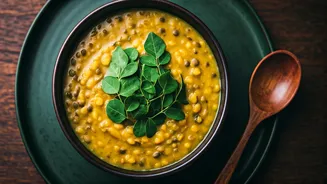
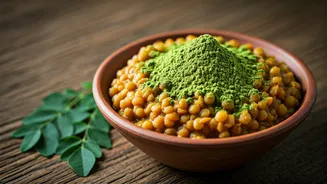
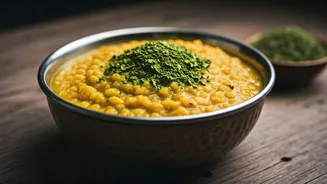
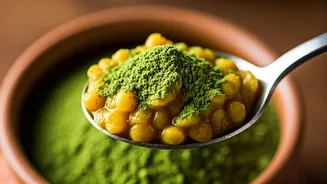
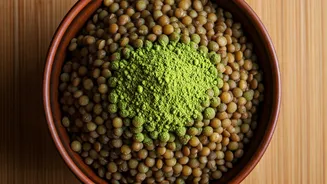
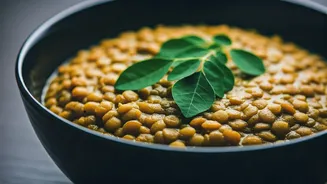
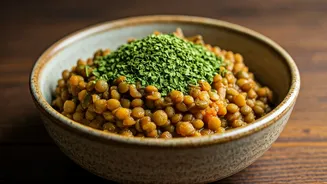
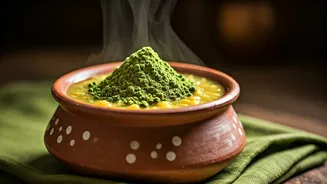
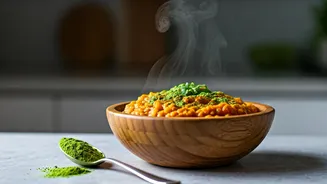
Ready to try it? It couldn't be simpler. You have two main options: fresh leaves or moringa powder. **Using Fresh Leaves:** If you have access to fresh drumstick leaves, this is the best way to go. Pluck the leaves from the stems, wash them thoroughly, and chop them roughly. The best time to add them is in the last 5-7 minutes of cooking your dal. This is long enough to cook the leaves until they are tender and release their nutrients, but not so long that they turn mushy and lose their vibrant colour and flavour. You can also add them to the ‘tadka’ (tempering) along with your mustard seeds and cumin, frying them for just a minute before pouring over the cooked dal. **Using Moringa Powder:** This is the most convenient option. Moringa powder is potent, so a little goes a long way. For a standard pot of dal serving 3-4 people, start with one teaspoon of powder. Stir it in right at the end, after you’ve turned off the heat. Whisk it well to ensure there are no lumps. The powder will instantly dissolve, turning your dal a beautiful, rich green and infusing it with that signature earthy flavour.
A Modern Twist on Tradition
Embracing moringa in your dal isn't about jumping on a global wellness trend. It's about reconnecting with our own culinary heritage. For too long, local, seasonal greens were seen as simple, rustic fare. Now, we're finally appreciating them for the nutritional giants they are. Infusing your lunch lentils with moringa is a perfect example of how traditional wisdom aligns perfectly with modern nutritional science. It's affordable, accessible, and incredibly effective. It’s a small change that delivers a big impact, turning your humble bowl of dal into a modern elixir rooted in ancient knowledge.