






A tiny bedroom doesn't have to feel like a compromise. The secret to making a small space feel both functional and serene is strategic zoning. By creating distinct areas for different activities, you can transform a cramped room into a clever layout.
Start by Defining Your Needs
Before you move a single piece of furniture, take a moment to think about what you need your bedroom to do. For most, it's primarily a sleep zone. But in many modern Indian homes, it must also serve as a workspace, a dressing area, a reading nook, or even a quiet spot for morning chai. Write down the essential functions your room must perform. This simple list will become your blueprint, helping you allocate space logically and ensuring that every corner serves a purpose. Don't try to fit in too much; a small room that does a few things well is better than one that attempts everything and feels chaotic.
Use Furniture as Dividers
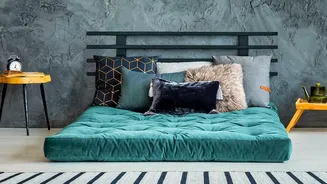
You don’t need walls to create separation. The right furniture can act as a natural boundary. An open-backed bookshelf is a classic choice, as it can divide a sleeping area from a small workspace while still allowing light to pass through, keeping the room feeling airy. Even a headboard can work hard; a tall or wide headboard visually anchors the sleep zone. You could also position your desk to face away from the bed, creating a mental separation between work and rest. The key is to arrange furniture in a way that guides movement and signals a shift in function from one part of the room to another.
Harness the Power of Rugs
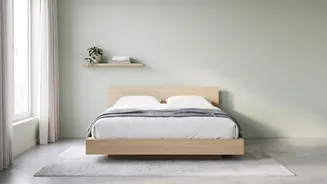
One of the most effective and simplest ways to create zones is with area rugs. A rug acts as a visual anchor, clearly marking the territory of a specific zone. Place a soft, plush rug under and around your bed to define the sleep sanctuary. A smaller, flatweave rug can be used to designate a workspace or a dressing corner. This technique works wonders in open-plan spaces and is just as effective in a single, multi-use bedroom. The rugs don't need to match, but they should share a complementary colour palette or texture to ensure the overall look feels cohesive rather than chaotic.
Think Vertically for Storage
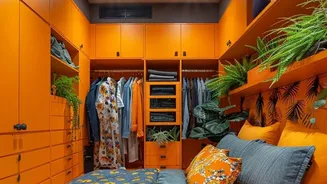
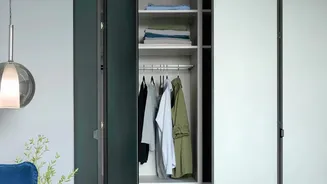
Clutter is the enemy of well-defined zones. When floor space is limited, the only way to go is up. Utilise your walls with floating shelves for books and decor, freeing up floor space. Tall, narrow shelving units offer a huge amount of storage while occupying a minimal footprint. Consider floor-to-ceiling wardrobes, which maximise storage capacity and create clean, unbroken lines that make a room feel taller. Over-the-door organisers and wall-mounted hooks are also excellent for storing accessories and everyday items without taking up any floor area at all.
Invest in Multi_Functional Furniture
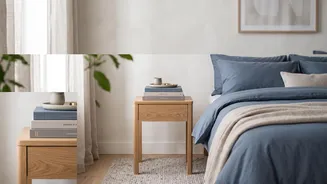
In a small bedroom, every piece of furniture should earn its keep. Multi_functional pieces are essential for creating a versatile space. A bed with built_in drawers or hydraulic storage can hide away bulky items like extra bedding and seasonal clothes. A storage ottoman can serve as extra seating, a footrest, and a place to stash blankets or magazines. A sleek wall_mounted desk can fold away when not in use, instantly clearing up floor space. Some modern headboards even come with integrated shelves and charging ports, replacing the need for bulky bedside tables.
Light Each Zone Differently
Lighting plays a crucial role in setting the mood and defining the function of each area. Use a layered lighting approach. Start with soft, ambient light for the overall room, like a central ceiling fixture. For your reading nook or workspace, use focused task lighting, such as a stylish desk lamp or a wall_mounted reading light above the bed. A warm, low_wattage lamp in your sleep zone can create a calming atmosphere perfect for winding down at the end of the day. Using different types of light helps to psychologically separate the zones, even in a very small space.