





Beyond the Metros: A Culinary Awakening
For the longest time, conversations about India's best food scenes orbited a few major hubs: the kebab gullies of Delhi, the coastal flavours of Mumbai, or the cafe culture of Bengaluru. But now, the real growth story in India's food and beverage industry
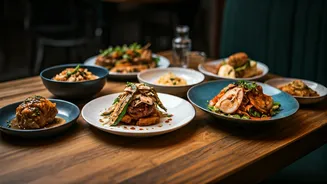
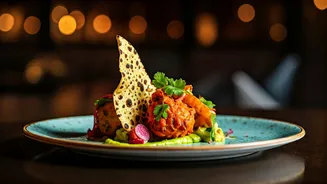
is unfolding in its tier-2 cities. [13] Places like Jaipur, Lucknow, Indore, Surat, and Coimbatore are no longer just culinary flyover country; they are becoming dining hotspots in their own right. [2, 13, 21] This isn't just about street food, although that remains the heart of many local food cultures. It's a full-spectrum awakening, with new cafes, gourmet restaurants, and experimental dessert bars opening at a rapid pace, catering to a newly aspirational consumer base. [13] Dining out in these cities is transforming from an occasional indulgence into a regular social activity and lifestyle choice. [5, 13]
The Digital Tadka: How Tech Fired Up the Kitchen
This culinary renaissance is being fuelled by a powerful combination of technology and changing consumer behaviour. Food delivery platforms like Zomato and Swiggy have been game-changers, aggressively expanding into hundreds of smaller towns. [6, 7] These apps have democratised the market, allowing local entrepreneurs and even home chefs to reach thousands of customers without the prohibitive cost of a prime real estate location. [2, 4] This has led to a boom in cloud kitchens, or delivery-only restaurants, which can operate with lower costs and greater flexibility. [3, 9] The India cloud kitchen market was valued at over a billion dollars in 2024 and is projected to grow significantly, with much of this expansion happening in non-metro areas. [8, 10] Social media has provided the other key ingredient. Food bloggers and Instagram influencers in these cities can now build massive followings, creating buzz around a local cafe or a traditional dish and putting it on the national map without a big advertising budget. [2, 12, 19]
A Return to Regional Roots
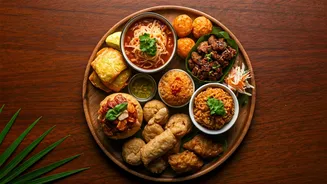
While global trends like Korean food and gourmet burgers are finding takers, this movement is also about a powerful return to roots. [13] Social media has paradoxically helped revive interest in traditional and regional Indian cuisines. [12] Food entrepreneurs are finding immense value in championing the unique culinary heritage of their regions, from Andhra Brahmin cuisine to the royal flavours of Malwa. [18] Consumers, exposed to a world of food online, are also becoming more curious about their own hyper-local traditions. This has created a market for authentic, regional recipes that were previously just considered 'home food'. [11] Some chefs are going a step further, collaborating with local farmers and social enterprises to source indigenous ingredients, celebrating not just the food but the communities behind it. [24] This focus on authenticity and local sourcing is a direct response to a consumer base that is increasingly scrutinising ingredients and valuing natural, preservative-free food. [11, 14]
The New Consumer and the Economic Flavour
The consumer in a tier-2 city has changed dramatically. With rising disposable incomes approaching metro levels, they are more willing to spend on new dining experiences. [5, 13] Exposed to global trends via the internet, this young, aspirational audience wants quality, hygiene, and experience, but still values affordability. [13] This creates a fertile ground for brands that can strike a balance between aspiration and value. From an economic standpoint, this shift is significant. Lower rental and labour costs make these markets more attractive and profitable for restaurant operators compared to the saturated metros. [5, 13] The boom is creating local jobs, encouraging entrepreneurship, and even driving tourism. [5, 9] The food services market is set to nearly double by 2030, and while metros still lead, the next wave of growth is expected to come from tier-2 cities and beyond. [4, 15, 17]