





A Season Under Increasing Stress
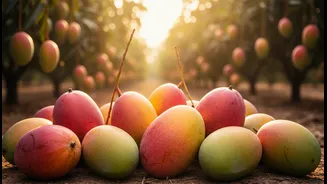
Mango cultivation, which covers about 2.5 million hectares in India, is a delicate art dictated by weather. The trees need a precise cycle: cool winters for flowering, followed by dry warmth for the fruit to set and mature. However, climate change is disrupting
this balance. Erratic weather, including unseasonal rains during flowering and intense heatwaves, is causing widespread problems. These shifts lead to premature fruit drop, the development of quality-ruining disorders like spongy tissue, and a rise in pests and fungal diseases. Farmers in major mango belts, from Uttar Pradesh's Malihabad to Maharashtra's Konkan coast, report significant yield reductions, sometimes as high as 50%. A single degree rise in minimum temperature during the maturation phase can cut yields by as much as 11%.
An Unparalleled Genetic Treasure
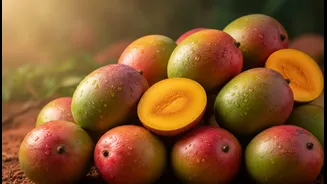
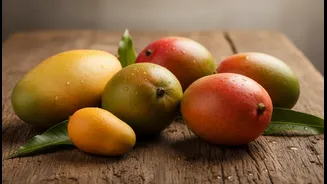
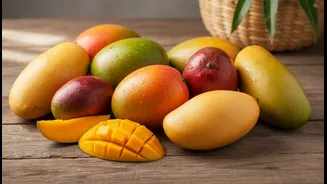
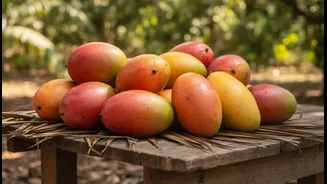
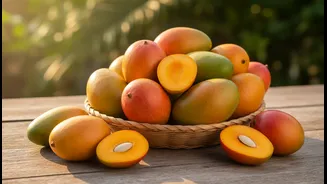
India is the world's largest mango producer and the heartland of its diversity, boasting an estimated 1,500 varieties, with around 1,000 grown commercially. This incredible genetic library, developed over millennia, is our greatest asset. Each variety—from the famous Alphonso and Dasheri to countless lesser-known local types—has a unique genetic makeup. This diversity means a range of traits: some are naturally more resistant to specific pests, others tolerate higher heat, and some can withstand drought or high humidity better than others. While only a few dozen varieties like Alphonso, Kesar, and Banganapalli dominate the commercial market, this focus on a handful of types puts the wider genetic pool at risk.
How Diversity Builds Resilience
The vast range of mango genes is a toolkit for climate adaptation. When a popular commercial variety falters due to heat, a hardier, heat-tolerant local variety can provide a genetic solution. For instance, while Alphonso mangoes are susceptible to spongy tissue from heat stress, a hybrid called Ratna (a cross between Neelum and Alphonso) shows resistance to this issue. Similarly, the Langra variety is known for its productivity and disease resistance. Scientists at institutions like the Indian Council of Agricultural Research (ICAR) are actively working to identify and cross-breed varieties to create new hybrids that combine desirable taste with climate resilience. Wild mango species, such as the rare Mangifera andamanica found in the Andaman Islands, offer an even deeper well of robust genes, showing natural resistance to pests and diseases.
The Race to Save and Utilise Our Mangoes
Recognizing the threat, agricultural bodies are intensifying conservation efforts. ICAR's Central Institute for Subtropical Horticulture (CISH) maintains one of the world's largest mango gene banks, preserving this crucial diversity. The strategy is two-fold: protect existing varieties and develop new, climate-resilient ones. Researchers are developing hybrids like Awadh-Samriddhi and Awadh-Abhaya, which are bred to be temperature-tolerant and have a longer shelf life, making them suitable for export and less prone to spoilage in a warmer world. These efforts involve crossing well-known varieties like Amrapali with tougher ones like Vanraj or Neelam to create offspring that can withstand erratic weather. The goal is to provide farmers with options that are not just delicious but also durable.
From Orchard to Your Plate
The future of the mango isn't just in labs; it's also in the hands of consumers and farmers. The market's overwhelming preference for a few famous varieties discourages farmers from cultivating the hundreds of other traditional types. Many of these heirloom varieties are conserved in small numbers by custodian farmers who have maintained them for generations. Supporting and creating markets for these lesser-known mangoes can provide a financial incentive for their conservation. By trying a local variety you've never heard of, you are not just enjoying a new flavour but also participating in the preservation of a vital genetic resource that may be needed to ensure mangoes remain a part of India's summers for generations to come.