





As India gears up for the festive season, an invisible economic engine is roaring to life. Beyond the sales and discounts, a significant 7% year-on-year growth in festive hiring is taking place, with a spotlight on one critical area: supply chain.
Deconstructing the 7% Growth
Recent
industry reports confirm that India’s festive hiring market grew by 7% in 2026, creating over 127,000 white-collar jobs. This surge is happening even as the broader job market has seen a slight moderation. The growth isn't uniform; it's heavily concentrated in sectors that power the country's consumption and fulfilment economy. Quick commerce leads the charge with an 18% jump in hiring, followed by e-commerce at 12% and logistics and transportation at 10%. This boom is a direct response to millions of shoppers clicking 'buy now' and expecting their orders to arrive faster than ever. To meet this demand, companies are aggressively expanding their operational backbone, making supply chain and logistics professionals the unsung heroes of the festive rush.
More Than Just Delivery
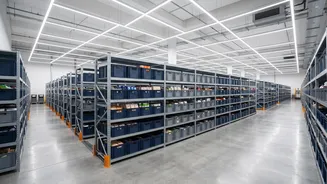
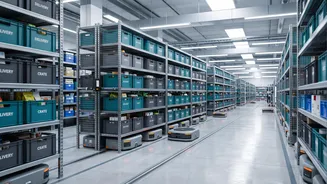
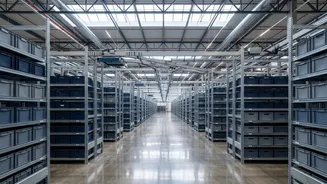
While last-mile delivery partners are the most visible part of the supply chain, the current demand goes much deeper. Companies are hiring for a wide range of specialised roles to manage the end-to-end process. Operations and fulfilment positions make up the largest share of festive jobs at 23%, followed by supply chain and logistics roles at 12%. These aren't just temporary gigs for packers and movers; they are sophisticated roles for supply chain analysts, procurement specialists, warehouse managers, and logistics planners. These professionals are responsible for everything from forecasting demand and managing inventory to optimising warehouse layouts and coordinating with a complex network of suppliers and transport vendors.
The In-Demand Skillset
The modern supply chain is driven by data. Consequently, companies are no longer just looking for operational experience; they are prioritising candidates with strong analytical and technical skills. Proficiency in data analysis using tools like Excel or Power BI, and experience with Enterprise Resource Planning (ERP) and Warehouse Management Systems (WMS) are highly sought after. Beyond the technical, soft skills like problem-solving, negotiation, and cross-functional communication are crucial. A manager who can analyse data to identify a bottleneck is valuable, but one who can also negotiate with vendors and coordinate with the sales team to solve it is indispensable. The industry is shifting from a 'hire and train' model to hiring professionals who are ready to perform from day one.
A Nationwide Opportunity
Another significant trend is the geographic distribution of these jobs. While metros like Bengaluru, Mumbai, and Delhi still account for the majority of roles, the fastest growth is happening elsewhere. Tier-2 cities saw an 11% growth in festive hiring, while Tier-3 and other emerging towns recorded a 15% jump. Cities like Jaipur, Lucknow, Indore, and Coimbatore are becoming major hubs for logistics and fulfilment. This shift is powered by the expansion of e_commerce into the hinterlands and the strategic establishment of new warehouses and delivery stations in smaller cities to reduce delivery times and costs. It signals a broader economic change where employment opportunities are becoming more distributed across the country.
From Seasonal Spike to Career Path
The festive season is a clear entry point, with around 70% of these jobs going to professionals with less than six years of experience. But what happens after the festivities die down? The underlying trends suggest that supply chain management is a solid long term career. The Indian logistics market is projected to grow significantly in the coming years, driven by the permanent shift to online retail and government initiatives like 'Make in India'. For job seekers, a seasonal role in logistics can be a stepping stone to a permanent position. Average salaries for experienced supply chain managers can range from ₹10 LPA to ₹25 LPA or more, depending on the role, industry, and location, making it a lucrative field for those with the right skills.