





A Critical Goal Is Now Out of Reach
The UN Environment Programme's (UNEP) 2026 Emissions Gap Report, titled 'The Point of Return', delivers a sobering verdict: the window to keep global temperature rise strictly below the 1.5°C Paris Agreement goal, without at least temporarily exceeding
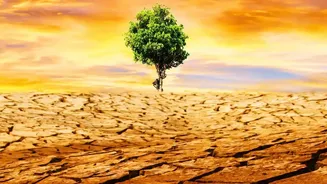
it, has closed. Decades of insufficient action and rising emissions mean the most ambitious reduction paths are no longer feasible. Under current policies, the world is on track for a devastating 2.8°C of warming by 2100. This report, released just weeks before world leaders convened for the COP31 climate conference in Türkiye, shifts the conversation from avoiding the 1.5°C breach to minimising how high and for how long temperatures remain above this critical line.
What is 'Overshoot' and Why Does It Matter?
The concept of an 'overshoot' describes a period where global temperatures exceed the 1.5°C target before, hopefully, being brought back down through aggressive emission cuts and large-scale carbon dioxide removal later in the century. The UNEP report outlines the 'best remaining option': a scenario where warming peaks at 1.7°C to 1.8°C around mid-century before returning to 1.5°C by 2100. However, officials stress this is not a preferred pathway. Every fraction of a degree and every year spent in overshoot dramatically increases the risk of irreversible damage, such as the collapse of ice sheets, the thawing of permafrost, and the extinction of species. The extreme floods, deadly heatwaves, and ferocious wildfires seen globally are just a preview of the intensified impacts to come.
The Türkiye Connection: A Contradictory Host
Türkiye's role as host of COP31 places it in a unique and somewhat contradictory position. While President Recep Tayyip Erdoğan has called for climate justice and urged developed nations to lead, the country's own climate policies are rated as 'Critically Insufficient' by independent analysts. Despite commendable progress in solar and wind energy, Türkiye is also pursuing new fossil fuel exploration and plans to increase coal-fired electricity production. This undermines its credibility and its own 2053 net-zero goal. Analysts note that Türkiye's current emissions trajectory is rising, moving further away from a 1.5°C-compatible pathway even as it hosts the very conference meant to solve the crisis.
The High Stakes for India
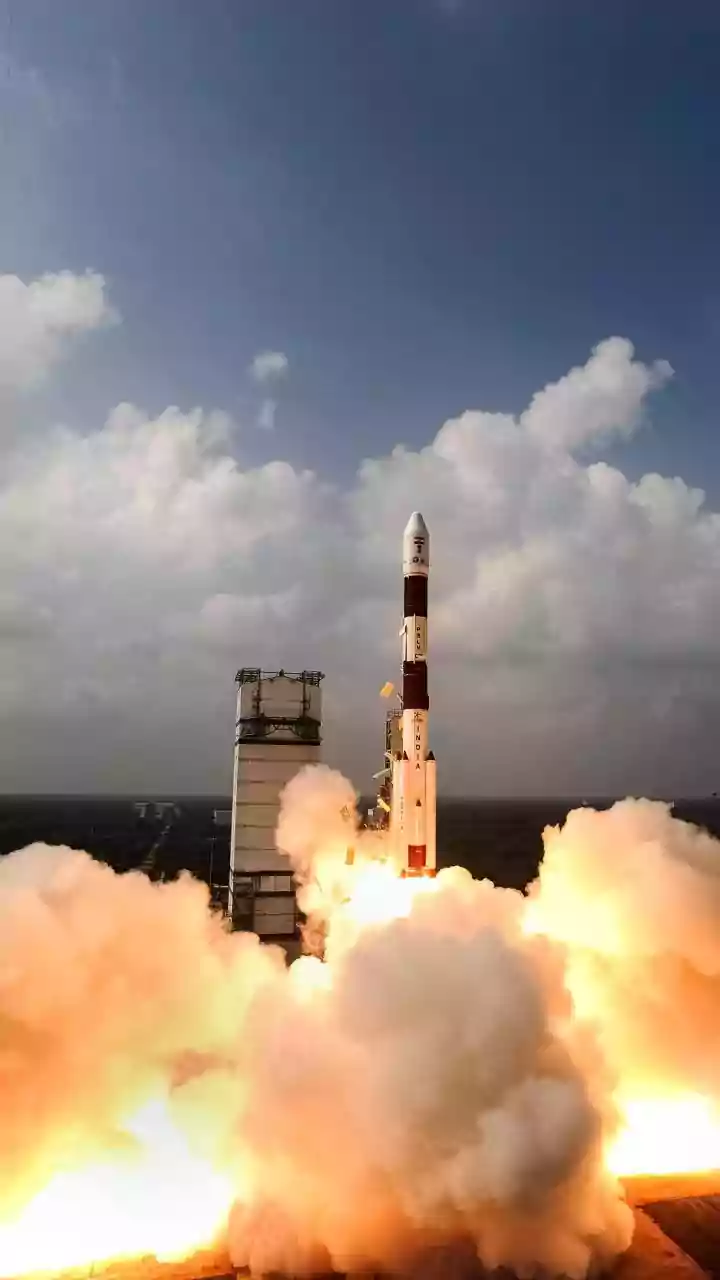
For India, the failure to contain global warming has dire consequences. Even limiting warming to 1.5°C would significantly impact yields for key crops like wheat and increase extreme rainfall events. A world that overshoots this target faces even greater risks to health, labour productivity, and food security, with hundreds of millions in South Asia at risk of malnutrition. India's own climate policies are currently rated as 'Insufficient', meaning they are not consistent with the 1.5°C goal. While the country has made huge strides in renewable energy, its reliance on coal is set to continue and its absolute emissions are still projected to rise. The UNEP report's findings underscore the immense pressure on all nations, especially major economies like India, to dramatically accelerate their transition away from fossil fuels.
What Needs to Happen Now?
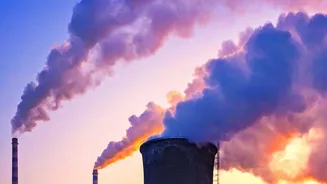
The report is not a call for surrender, but an urgent demand for radical action. To achieve even the lowest overshoot path, global emissions must be slashed by 45% by 2035 compared to 2025 levels. Current national pledges would only deliver a reduction of 11–15%. The report highlights the need to triple renewable energy capacity, double the rate of energy efficiency improvements, transition away from all fossil fuels, and halt deforestation by $2030$. As UN Secretary General António Guterres stated, the science is not telling us to give up; it is telling us to fight harder to keep the overshoot as small and as short as possible.