



Beyond the Traditional Whisk
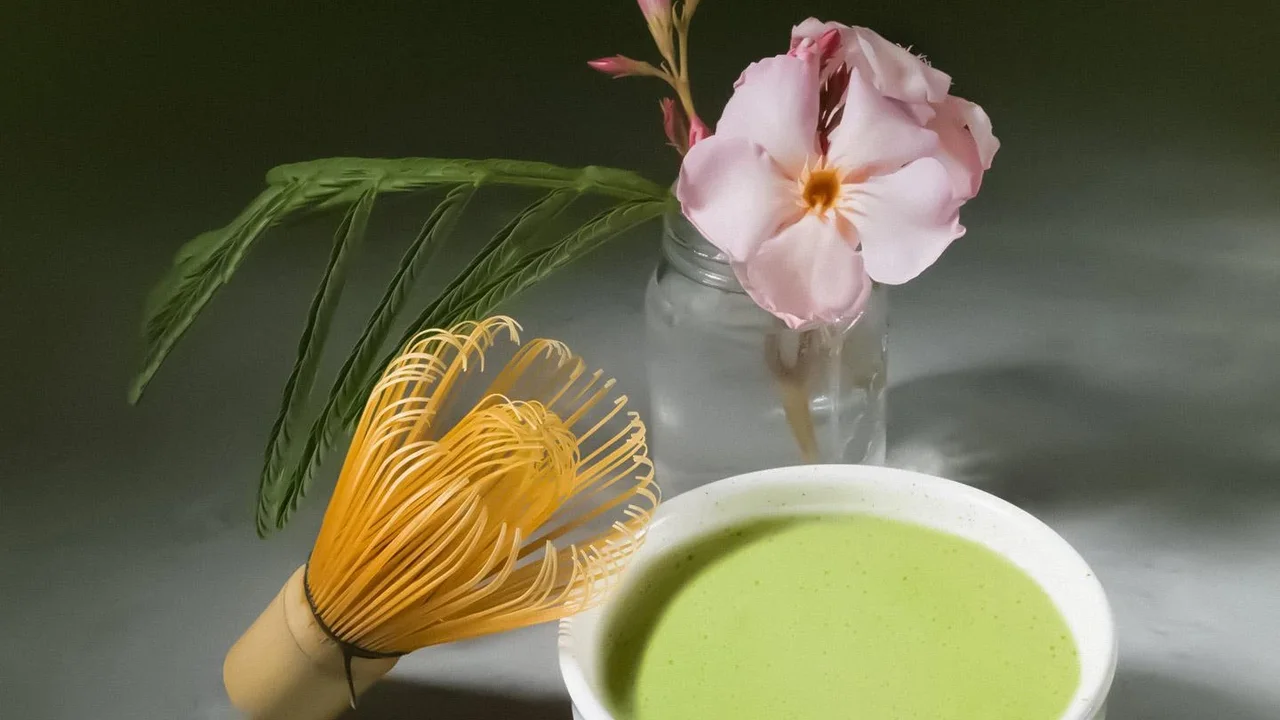
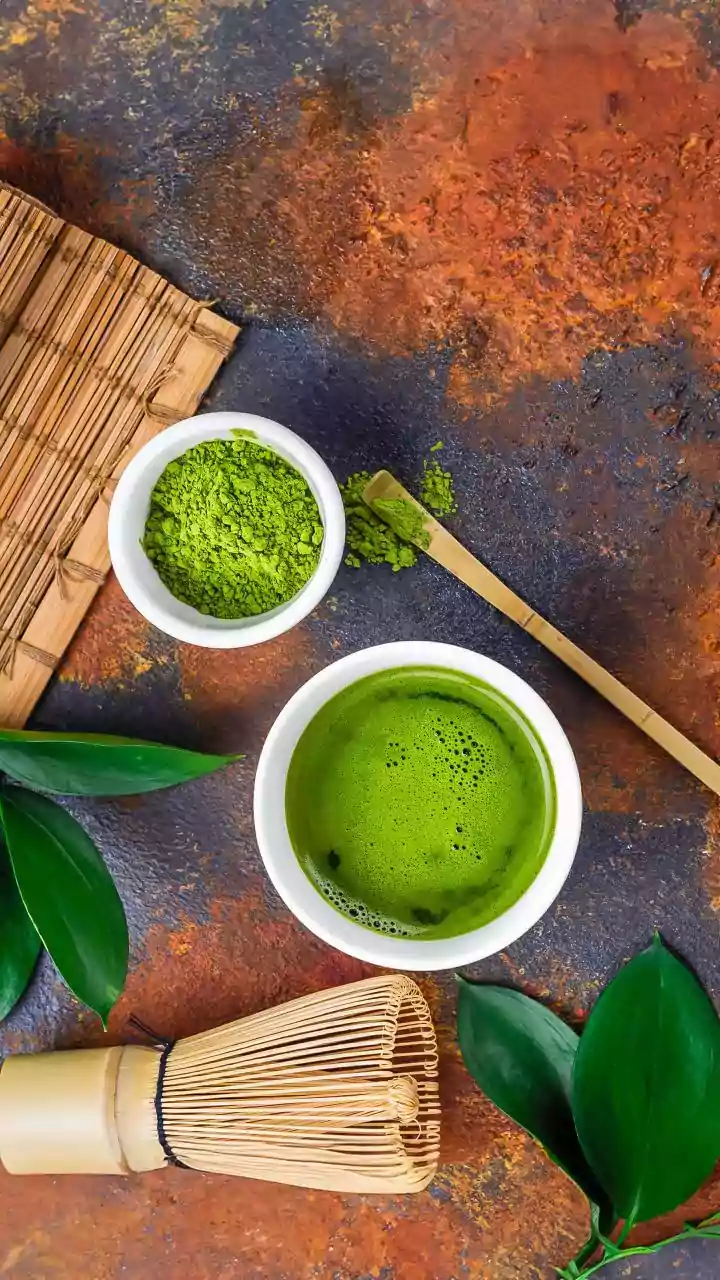
For centuries, matcha has been a symbol of mindful ritual, prepared with a bamboo whisk and savoured for its complex, umami-rich flavour. But a new wave is cresting, and it’s washing away the old rules. In cities like Mumbai and Bengaluru, a new generation
of cafes is treating matcha not as a sacred text, but as a blank canvas. The classic green tea latte is no longer the star; instead, it’s the foundation for an explosion of creative flavours that are turning heads and delighting taste buds. This trend is driven by a desire for novelty and the visual appeal of layered, colourful drinks that are perfect for social media. As a result, matcha is becoming more approachable and exciting than ever before, attracting both purists and newcomers alike.
A Symphony of Fruit
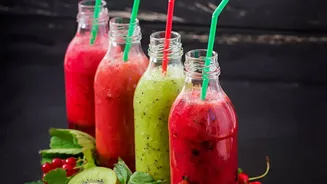
The most popular gateway into this new world of matcha is through fruit. The strawberry matcha latte is arguably the most iconic of these creations, a visually stunning drink with its layers of pink purée, white milk, and vibrant green tea. The natural sweetness of the strawberry perfectly cuts through the earthy bitterness of the matcha, creating a balanced and refreshing experience. But the experimentation doesn’t stop there. Cafes and home baristas are blending matcha with everything from tropical mango and passionfruit to the creamy sweetness of banana. One viral sensation, the Banana Pudding Matcha Latte, sold out multiple times after taking social media by storm, proving that the combination of familiar comfort and novel taste is a winning formula. Even uniquely Indian flavours are entering the mix, with cafes like Bengaluru's Maverick & Farmer creating a matcha aam panna, blending the tea with slow-roasted green mangoes for a smoky, tangy twist.
Nutty, Creamy, and Unconventional
Beyond the fruit basket, a host of more complex and decadent flavours are emerging. Pistachio has become a particularly popular partner for matcha, its subtle nuttiness and creamy texture creating a sophisticated and indulgent latte. Other dessert-inspired combinations like vanilla, white chocolate, and caramel are also trending, softening matcha's distinctive taste for those new to the flavour. Some cafes are pushing boundaries even further. You might find a Matcha Einspanner, inspired by the Viennese classic, which tops a concentrated matcha shot with a thick layer of sweetened cream. Others are experimenting with floral notes like jasmine or lavender, or even savoury-adjacent profiles that challenge our perception of what a tea latte can be. This willingness to experiment shows just how versatile matcha’s flavour profile truly is.
The Great Grade Debate
This flavour revolution has also brought the conversation about matcha quality to the forefront. Traditionally, matcha is separated into two main categories: ceremonial and culinary grade. Ceremonial grade is made from the youngest tea leaves, stone-ground into an ultra-fine powder that is naturally sweet, vibrant green, and meant to be enjoyed with just water. Culinary grade, made from more mature leaves, has a more robust and slightly bitter flavour designed to stand up to other ingredients in baking and lattes. While many cafes are using high-quality culinary matcha for these new drinks, some, like Delhi's Fig at Malcha, insist on using ceremonial grade for its smooth, umami-rich profile. Brands like Cha Wellness are partnering with cafes across India to supply high-grade matcha, believing that a better quality powder creates a fundamentally better latte, no matter the added flavours.