






1. It’s a Full-Blown Dining Experience
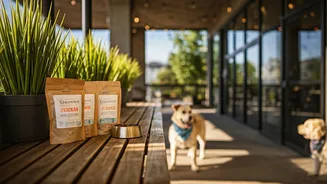
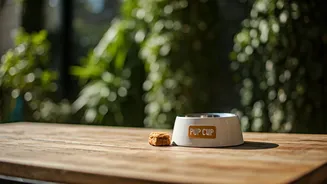
Forget a simple bowl of water on the patio. The defining feature of this new trend is the custom menu designed specifically for four-legged patrons. We're talking about 'puppuccinos' (a swirl of whipped cream in an espresso cup), 'barkuterie boards' featuring
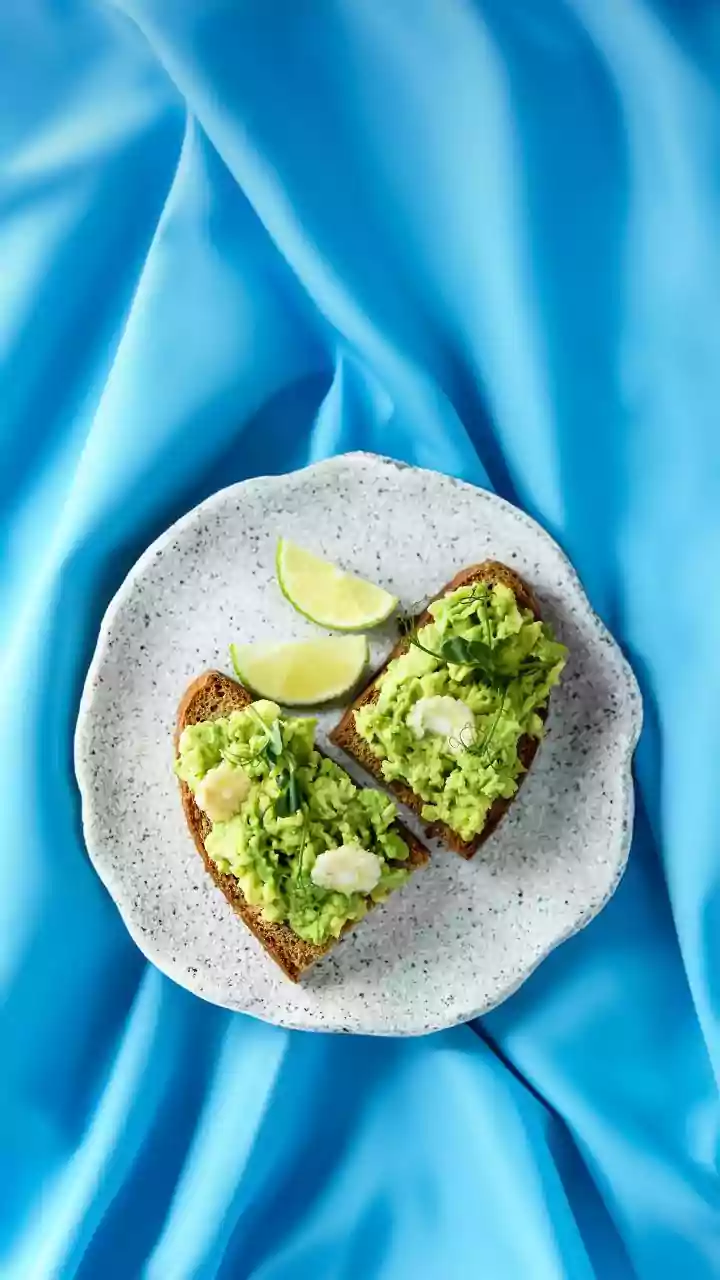
dog-safe cheeses and meats, and even specially baked 'pupcakes.' Places like The Dog Cafe in Los Angeles or Boris & Horton in New York City have pioneered menus that go beyond novelty. They often offer treats made from human-grade ingredients, catering to the growing 'pet humanization' trend where owners view their animals as integral family members who deserve the same quality and consideration. This isn’t just about feeding a pet; it’s about sharing an experience. Owners get their oat milk latte and avocado toast, while their dog enjoys a gourmet snack right alongside them, making the outing feel like a true shared meal.
2. They've Become the New Neighborhood Hub
In an era of increasing social isolation, these cafés are organically fostering a new kind of community. They function as a 'third place'—a social environment separate from home and work—not just for people, but for their pets, too. Strangers with dogs are famously more likely to interact, and these spaces capitalize on that dynamic. You'll see owners swapping training tips over coffee, admiring each other's pets, and arranging future dog park meetups. Cafés like Chateau le Woof in Queens, NY, actively cultivate this vibe, hosting 'yappy hours,' breed-specific meetups, and adoption events in partnership with local shelters. It’s a powerful antidote to loneliness, creating a built-in social scene where the love for animals is the ultimate icebreaker. The shared space makes it easy to connect with neighbors in a way that a standard coffee shop or a solitary dog walk simply can’t.
3. The Design Is for Paws and People
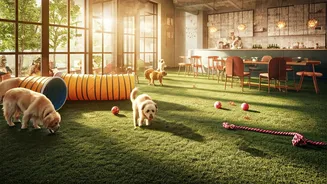
A successful pet café is more than just a lenient door policy; it's an exercise in thoughtful design. The most popular spots are built from the ground up with a dual clientele in mind. You’ll find features like durable, easy-to-clean flooring, secure double-gated entryways to prevent escapes, and designated 'off-leash' zones. Outdoor patios are often covered in pet-friendly turf and equipped with ample water stations and leash hooks at every table. Some establishments even create separate areas—a quiet coffee shop for humans on one side, and a connected, sound-proofed play area for dogs on the other. This thoughtful architecture ensures that the experience is comfortable and safe for everyone. It prevents the chaos of having dogs underfoot in a busy café while still allowing for the social, integrated experience that owners crave. The environment feels intentional, not like an afterthought.
4. It’s a Genuinely Smart Business Model
While the community aspect is heartwarming, the rise of these cafés is also fueled by sharp business acumen. The American pet industry is a behemoth, with spending topping $136 billion in 2022, according to the American Pet Products Association. Millennial and Gen Z pet owners, in particular, are willing to spend significantly more on their pets' well-being and happiness. These cafés tap directly into that market. By offering a unique, Instagram-worthy experience and high-margin add-ons (a $5 puppuccino costs pennies to make), they create multiple revenue streams. They often double as retail shops, selling high-end pet accessories, toys, and gourmet treats that patrons can buy on their way out. This hybrid model—part café, part community space, part retail store—is proving to be remarkably resilient and profitable, explaining why the trend is spreading from major coastal cities to smaller towns across the country.