


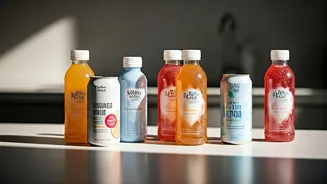


What Exactly Is a 'Functional' Drink?
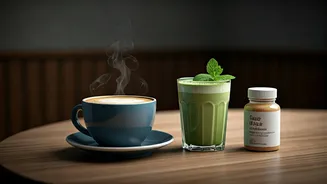
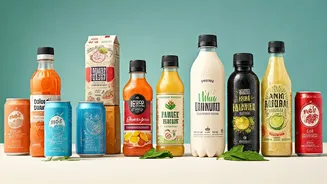
A functional beverage is a non-alcoholic drink designed to provide a specific health benefit beyond basic hydration. [10, 19] Think of it as a beverage with a job to do. While a regular juice might quench your thirst, a functional one contains added ingredients
like vitamins, minerals, probiotics, or herbs intended to support everything from immunity to mental focus. [12, 13] For example, a drink infused with ashwagandha aims to reduce stress, while a kombucha is packed with probiotics for gut health. [9, 10] The Indian market for these drinks reached nearly USD 7 billion in 2025 and is projected to grow to over USD 18 billion by 2034, signalling a massive shift in consumer habits. [4]
The Post-Pandemic Wellness Boom
So, why the sudden surge in popularity? A major catalyst has been a heightened awareness of health and wellness, significantly accelerated by the COVID-19 pandemic. [8, 16] Indian consumers are increasingly proactive about their health, seeking out products that can boost immunity and overall well-being. [19] Busy, stressful urban lifestyles have also created a demand for convenient, on-the-go health solutions. [3, 14] It's easier to sip a vitamin-C-rich drink during a commute than to prepare a complex health-focused meal. [3] This desire for convenient, preventative health measures has turned the beverage aisle into a new frontier for self-care. [17]
From Gut Health to Good-Night Sleep
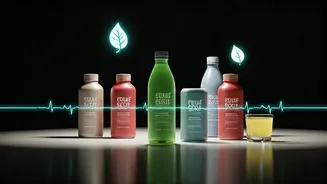
The variety of functional drinks available in India is rapidly expanding. [2] One of the most prominent categories is gut health, with drinks like kombucha, kefir, and probiotic lassis becoming increasingly mainstream. [4, 9] Another major segment is energy and cognitive boosters, which offer a 'cleaner' alternative to traditional sugary energy drinks by using natural ingredients like green coffee extract, ginseng, and B vitamins. [4] There's also a growing market for beverages that incorporate traditional Ayurvedic and herbal ingredients like turmeric, ginger, tulsi, and ashwagandha, which are marketed for benefits ranging from immunity support to stress relief. [2, 15] Protein-infused drinks, beauty drinks with collagen, and electrolyte-packed sports drinks are also carving out significant space. [3, 5]
Not Just Health, It's a Lifestyle Statement
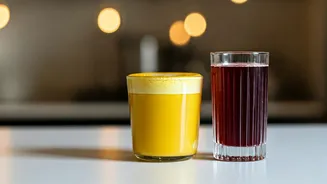
The rise of functional beverages is not just about health; it's also a cultural phenomenon. For many, especially millennials and Gen Z, the choice of beverage is a reflection of their lifestyle and values. [3] Social media and wellness influencers have played a huge role in popularising these drinks, often portraying them as part of an aspirational, health-conscious lifestyle. [3, 14] The aesthetic packaging and clear benefit-driven marketing make these products highly shareable online. [3] Choosing a turmeric latte or a probiotic soda over a conventional soft drink has become a statement of prioritizing well-being, fitting into a broader cultural shift towards mindful consumption.
Reading the Label: A Word of Caution
While the trend is promising, it's important for consumers to be discerning. The term 'functional' is not always strictly regulated, and marketing claims can sometimes overstate the benefits. [6, 15] It's crucial to read the ingredient list and check for high levels of sugar or artificial sweeteners, which can negate the intended health benefits. [15] Many drinks use ingredients like caffeine, taurine, and B vitamins, and while they are generally approved, consumers should be aware of what they are consuming. [6] A functional beverage should be seen as a supplement to a healthy lifestyle, not a magic solution. Ultimately, a balanced diet and regular exercise remain the cornerstones of good health.