








What Exactly Is This Challenge?
The name “3 30 3 Challenge” sounds a lot like other numerical fitness trends, but its definition can be surprisingly fluid online. One of the most popular versions is a comprehensive wellness routine: walk 3 miles per day, consume 30 grams of protein
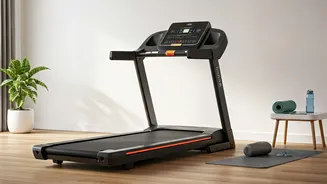
with each meal, and complete 3 weight training sessions per week. However, the internet's creativity means you might see variations. Another popular trend, often confused with it, is the “12-3-30” workout, which involves setting a treadmill to a 12% incline, walking at 3 miles per hour for 30 minutes. This workout was created by social media influencer Lauren Giraldo and gained massive traction on platforms like TikTok. The key takeaway is that these challenges provide a simple, memorable formula for people looking to build a consistent routine.
The Appeal: Why Is It So Popular?
The success of challenges like the 3 30 3 lies in their simplicity and structure. In a world of complex workout plans and overwhelming fitness advice, a straightforward formula is a breath of fresh air. It provides a clear, measurable goal without needing a personal trainer or expensive equipment. The challenge turns a vague intention like "I want to get healthier" into an actionable plan. Furthermore, its social media-friendly format encourages a sense of community and accountability. People can easily document their progress, share their struggles and successes, and feel like they are part of a larger movement, which is a powerful motivator.
What Are the Claimed Benefits?
Proponents of these structured walking and fitness challenges report a wide range of benefits. For treadmill-based versions like the 12-3-30, the steep incline provides a significant cardiovascular workout that burns more calories than walking on a flat surface. It’s a low-impact option that is often easier on the joints than running, while still effectively strengthening lower-body muscles like the glutes, hamstrings, and calves. The combination of walking, protein intake, and strength training in the broader 3 30 3 challenge aims for holistic improvement: better cardiovascular health, muscle development, and sustained energy from a balanced diet. The structure itself helps build discipline and confidence.
A Balanced View: What Do Experts Say?
Fitness experts generally view these trends positively as accessible entry points to fitness. They praise the low-impact nature of incline walking and the motivational power of a structured challenge. However, they also offer cautions. The 12% incline of the treadmill workout can be intense for beginners or individuals with pre-existing lower back, hip, or knee issues. Experts recommend starting at a lower incline and gradually working your way up to avoid strain or overuse injuries. They also stress that no single workout is a magic bullet. For long-term health, it’s crucial to incorporate variety, including strength training for other parts of the body, and maintain a balanced diet. Relying solely on one repetitive motion can lead to boredom or plateaus.
Is This Challenge Right For You?
If you are new to fitness or feel intimidated by the gym, a simple and clear challenge can be a fantastic starting point. It removes the guesswork and helps build the consistency needed to form lasting habits. The sense of accomplishment from completing the daily or weekly goals can be a huge confidence booster. However, it's essential to listen to your body. If the 12% incline feels too strenuous, there's no shame in reducing it. The goal is sustainable movement, not pushing through pain. For those who are already quite fit, this type of challenge might serve as a good component of a larger, more varied routine rather than being the entire workout plan.