


Designate a Monsoon Drying Zone
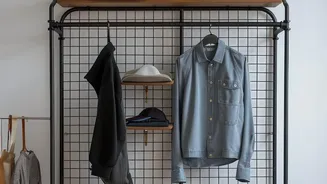
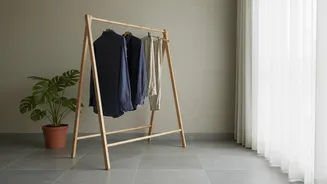
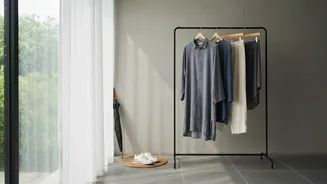
The first step to conquering monsoon dampness is to stop scattering wet items around the house. Instead, create a dedicated ‘drying zone’. This doesn't require a separate room; it can be a corner of your bedroom, a utility area, or even a covered balcony.
The key is to centralise the drying process. Equip this zone with a foldable drying rack, some hangers, and, if possible, position it near a window for ventilation or under a ceiling fan. By containing the dampness to one area, you make it easier to manage and prevent moisture from spreading throughout your home.
Master Your Laundry Strategy
During the monsoon, how you wash is as important as how you dry. Avoid overloading your washing machine; smaller loads allow for better water extraction and cleaning. Always use the highest spin cycle your machine offers to remove as much excess water as possible before the clothes even see the drying rack. Washing smaller, more frequent loads is also more manageable than dealing with a giant pile of damp laundry once a week. Don't let wet or sweaty clothes sit in the laundry basket, as this is where mildew and musty smells begin. Wash them as soon as possible, ideally within 24 hours.
Harness Airflow and Banish Odours
Air circulation is your best friend. Once your clothes are on the rack in your drying zone, ensure there is enough space between each item for air to pass through. Pointing a pedestal or table fan directly at the drying rack can significantly speed up the evaporation process. For tough odours that can develop when clothes dry too slowly, a few household staples can work wonders. Adding a cup of white vinegar to the final rinse cycle acts as a natural fabric softener and odour neutraliser. You can also add a few drops of an essential oil like lavender or tea tree for a fresh scent. If a musty smell has already set in, rewashing with half a cup of baking soda can help eliminate it.
The Challenge of Wet Shoes
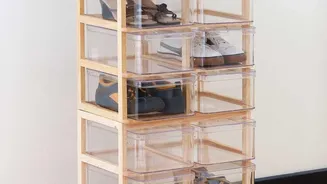
There's nothing more uncomfortable than squelching around in damp shoes. To dry them effectively without causing damage, never place them near direct heat sources like a heater or in direct sunlight, which can warp the material. The most effective method is to first remove the insoles and laces to allow air to circulate inside. Then, stuff the shoes with crumpled newspaper, which is excellent at absorbing moisture. Change the newspaper every few hours until the shoes are dry. For a faster result, place the stuffed shoes in front of a fan. To combat odour, you can sprinkle some baking soda inside or place a few silica gel packets—the ones you find in new shoe boxes—inside overnight.
Managing Umbrellas and Raincoats
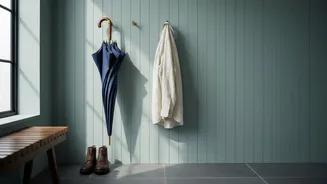
Your entryway can quickly become a puddle-filled mess if you don't have a system for wet umbrellas and raincoats. Designate a spot right by the door. A tall basket or an umbrella stand is perfect for holding wet umbrellas upright while they drip dry. For raincoats, install a few hooks on a wall near the entrance. Shake off excess water outside before bringing them in and hang them up immediately. This simple habit prevents water from being tracked through your home and keeps your main living areas dry and clean.