








The New Travel Mindset: Quality Over Quantity
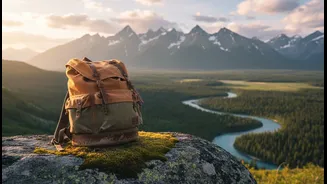
The days of checklist tourism—rushing through five cities in seven days—are fading. A fundamental shift is underway, with Indian travelers now prioritizing depth over breadth. Instead of collecting destinations, the new aspiration is to collect meaningful
memories. This has given rise to the “micro-holiday,” short, intentional trips that focus on rejuvenation rather than simply sightseeing. Surveys show a majority of travelers now prioritize safety, flexibility, and curated trips, often willing to spend more on fewer, higher-quality journeys. This isn't just a post-pandemic rebound; it's a structural change in how Indians perceive and consume leisure, where travel has become less of a one-time event and more of a regular habit.
From Five-Stars to Farm Stays: Redefining Luxury
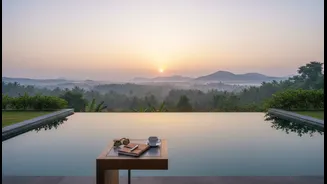
The definition of a “premium” stay has expanded far beyond the conventional five-star hotel. While bookings for luxury hotels have surged, the real story is in the diversification of high-end travel. Today, luxury is just as likely to be found in a secluded boutique farm stay with farm-to-fork dining, a restored heritage haveli, or a private villa with a pool. These properties offer what travelers increasingly crave: privacy, authenticity, and a sense of place that larger hotels often struggle to provide. The appeal lies in unique, curated environments—from a planter's bungalow on a historic coffee estate to a quiet wellness retreat in the mountains. It's a move toward what has been called “secure luxury enclaves” where accommodation, dining, and recreation are integrated into a seamless, exclusive experience.
The Drivers of Change: Wellness, Work, and Worth
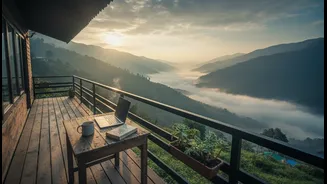
Several factors are fueling this evolution. A rising focus on mental and physical well-being is a primary driver, with travelers actively seeking spiritual retreats, digital detoxes, and nature-based getaways to escape urban stress. Destinations like Rishikesh, Kerala, and the Himalayas are hubs for this growing wellness tourism sector. The rise of remote and hybrid work has also enabled more flexible travel, blurring the lines between work and leisure. Furthermore, there is a clear generational influence, with younger travelers in particular prioritizing experiences over material possessions; a recent report found 81% of Indians would prefer to spend on luxury travel than a lavish wedding. This is coupled with rising disposable incomes and better connectivity to smaller towns and offbeat locations.
What a Premium Weekend Looks Like
So, what does this new weekend escape entail? It’s less about seeing the sights and more about feeling a connection. It could mean a drive from Mumbai to a wellness retreat in the Sahyadris for yoga and quiet afternoons by the pool. For someone in Delhi, it might be a stay at a restored fort near Jaipur or a heritage property in Rishikesh. From Bengaluru, travelers are heading to private villas and safari lodges in Coorg and Kabini for immersive nature experiences. The activities are similarly experiential: regional cooking workshops, artisan tours, private boat rides, or simply enjoying the quiet of a coffee plantation. The common thread is a slower pace and a focus on authentic, sensory travel that provides a genuine break from city life.
A Sustainable Shift
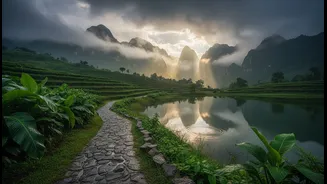
This trend towards smaller, more conscious travel also aligns with a growing interest in sustainability. Many boutique properties and wellness centers are leading the way with eco-friendly practices like solar energy, organic farming, waste management, and water conservation. This approach not only reduces the environmental impact but also deepens the travel experience by connecting guests to the local ecosystem. By choosing to stay at places that support local artisans, farmers, and communities, travelers are contributing to the preservation of cultural heritage and ensuring that tourism benefits the places they visit. This makes the escape not just rejuvenating for the traveler, but also responsible towards the destination.