





From Coffee Kick to Wellness Ritual
The humble cafe, once a sanctuary for caffeine and conversation, is undergoing a quiet revolution. While the comforting aroma of coffee still lingers, the menu board now tells a different story—one of wellness, function, and mindful consumption. [14]
This shift is driven by a new wave of health-conscious consumers, particularly millennials and Gen Z, who are seeking more from their daily brew than just a jolt of energy. [8, 22] They're looking for drinks that not only taste good but also offer tangible benefits, from stress reduction to improved focus. [21] As a result, functional beverages—drinks designed with an added purpose—are moving from niche health stores to the mainstream cafe counter, transforming our understanding of what a trip to the coffee shop is all about. [3, 10] It's no longer just about the caffeine 'up' and 'crash'; it's about sustained energy, mental clarity, and a beverage that aligns with a holistic lifestyle. [14, 22]
Meet the New Menu Stars
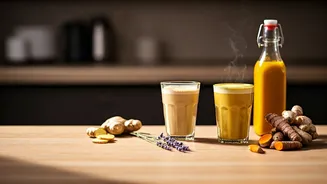
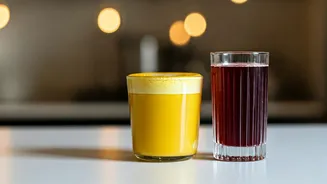
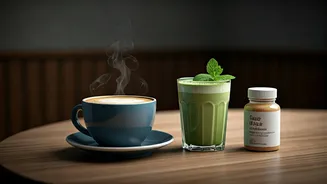
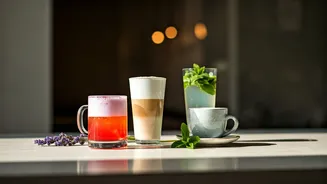
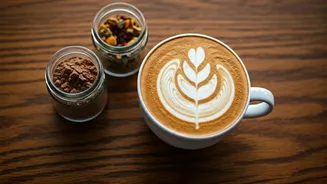
So, what are these new-age elixirs? The roster is diverse and growing. Mushroom coffee is a major headliner, blending coffee with powdered medicinal mushrooms like Lion's Mane, Chaga, and Reishi. [16, 17] These adaptogenic fungi are lauded for their ability to support brain function, boost immunity, and help the body manage stress, often with less caffeine than a regular cup. [16, 17] Then there are adaptogenic lattes, which might feature ingredients like Ashwagandha, an herb known to promote calmness, or Rhodiola for mental clarity. [11] You'll also find vibrant matcha lattes, which offer a calmer, more sustained energy boost thanks to the amino acid L-theanine. [14] Fermented drinks like kombucha are also carving out a significant space, prized for their probiotic content and gut health benefits. [4, 8] Even traditional Indian beverages like turmeric milk (golden latte) and various herbal infusions are being reinterpreted for the modern cafe setting. [4, 18, 26]
Why Is This Happening Now?
This beverage evolution is the perfect storm of several cultural currents. Firstly, there's a heightened post-pandemic awareness around health and immunity, which has consumers scrutinising labels and ingredients more than ever. [10, 12] Secondly, the influence of social media cannot be overstated; the visual appeal of a colourful matcha or a frothy mushroom latte makes for shareable content, amplifying the trend. [8, 14] The global wellness movement has also normalised concepts like 'biohacking' and 'functional nutrition', making consumers more open to trying ingredients like nootropics (cognitive enhancers) and adaptogens. [5, 9] Indian consumers, in particular, are embracing this trend enthusiastically. The market for functional beverages in India is projected to grow significantly, with some estimates suggesting the health beverage market could triple in value by 2026. [3, 12] This is partly because many of these 'new' ingredients, like Ashwagandha and Turmeric, are deeply rooted in Ayurvedic traditions, giving them a sense of familiarity and authenticity. [9]
The Business Behind the Buzz
For cafe owners, this trend is more than just a cultural shift; it's a strategic business move. These specialty beverages often command a higher price point than a standard cappuccino, boosting profit margins. [13] Offering a unique, health-focused menu also allows cafes to differentiate themselves in a crowded market and attract a loyal customer base willing to pay a premium for quality and function. [2] The growth isn't just in-store. Many brands are now offering ready-to-drink (RTD) versions and at-home blends, tapping into the 'home cafe' culture that boomed in recent years. [3] By positioning themselves at the intersection of coffee culture and the wellness industry, cafes are evolving from simple beverage providers into all-day lifestyle hubs. [15] They are no longer just a 'third place' between home and work, but a destination that actively supports a customer's health and wellness goals. [15]