




Step 1: Create the Master List
First, get everything out of your head and onto paper or a digital document. Walk through every room of your house, and inspect the exterior, including the roof, gutters, and foundation. Note down every single thing that needs attention, no matter how
small or large. Is there a cracked tile in the bathroom? Write it down. Is the deck due for a re-stain? Add it to the list. At this stage, do not worry about order or priority; the goal is simply to capture every task in one place. This brain dump relieves the mental burden of trying to remember everything and forms the foundation for your entire plan.
Step 2: Prioritize Your Projects
With your master list complete, it's time to prioritize. A simple but effective method is to categorize tasks into four groups: urgent, high-priority, short-term, and long-term. Urgent tasks are those that affect safety or could cause further damage if ignored, like faulty wiring, a leaky roof, or a broken furnace. High-priority items might not be emergencies but are essential for the functionality of your home. Short-term tasks are things you should handle soon to prevent them from becoming bigger issues, while long-term items are often cosmetic upgrades or 'wish list' projects. This framework helps you focus your energy and budget on what truly matters first, ensuring your home remains safe and sound.
Step 3: Assign an 'Owner' to Every Task
This is where accountability comes into play. Every single item on your list needs a designated 'owner'. This is the person responsible for seeing the task through from start to finish. In a household with multiple adults, this means deciding who will manage which project. If you live alone, you are the default owner, but the act of assigning yourself still creates a powerful sense of responsibility. The owner doesn't necessarily have to do the physical work themselves; their job is to manage the process. This includes researching solutions, getting quotes from professionals, purchasing supplies, and ensuring the job gets done correctly and on time. Without a clear owner, tasks can languish in a state of shared, and therefore nonexistent, responsibility.
Step 4: Set Realistic Dates
A task without a deadline is just a wish. For each prioritized item, assign a target completion date. Be realistic about your timeline, considering your budget, skill level, and other commitments. For larger projects, it’s helpful to set multiple dates: a start date, key milestones, and a final deadline. Setting recurring dates for routine maintenance—like cleaning gutters or changing HVAC filters—is also crucial. Using a calendar to schedule these tasks and setting reminders can prevent them from slipping through the cracks. This structure turns a vague intention like "fix the fence" into a concrete goal like "replace broken fence post by August 15th."
Step 5: Define the Very Next Step
Large projects can feel paralyzing. The key to overcoming this inertia is to define the smallest, most immediate action required to move a task forward. Don't just list "Renovate Kitchen." Instead, ask, "What is the absolute next thing I need to do?" It might be as simple as "Measure the countertop space," "Research three local plumbers," or "Create a mood board for design ideas." This approach breaks down intimidating projects into manageable chunks and makes it easy to make progress, even if you only have 15 minutes to spare. Each time you complete a 'next step,' you define the one that follows, creating a continuous, motivating workflow.
Step 6: Choose Your Tracking Tool
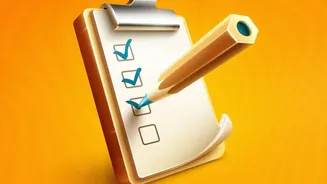
The final piece is to choose a system to track your organized list. This doesn't need to be complicated. It can be a physical notebook or binder with printed spreadsheets for costs and contractor information. It could be a whiteboard in your garage. Digital tools are also highly effective; a simple spreadsheet can work wonders. For those who prefer dedicated apps, platforms like Tody, HomeZada, or Homer can help you manage tasks, set reminders, and store important documents like warranties and receipts. The specific tool is less important than its function: it must be easy for you to access and update regularly.