








A Symphony for the Senses
The first thing you notice is the sound. It’s a complex symphony that replaces the usual urban drone of traffic and construction. There’s the gentle pitter-patter on broad leaves, a sound that has been shown to decrease brain activity and improve sleep.
[8] Then there's the rhythmic drumming on a tin roof, the soft hiss on asphalt, and the percussive splash as drops land in puddles. Close your eyes, and you can map your surroundings just by listening. Then comes the smell. It’s called petrichor, a term coined by scientists in 1964. [1, 4] It’s that wonderfully earthy scent released when rain hits dry soil, a mix of plant oils and a compound called geosmin, which is produced by soil bacteria. [2] Humans are incredibly sensitive to this scent, capable of detecting it at minuscule concentrations, a trait some speculate we inherited from ancestors who relied on rain for survival. [1, 7]
A World Washed Clean
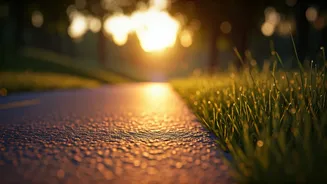
Rain is nature’s reset button for the city’s colour palette. A layer of dust and grime you never knew was there gets washed away, revealing the true, vibrant colours underneath. The greens of park trees and roadside shrubs become shockingly lush, almost glowing against the grey backdrop. The red of brick buildings deepens, and the dark, wet pavement glistens like polished stone, reflecting streetlights into long, shimmering streaks of colour. The world seems sharper, more defined. This visual feast is more than just pretty; it’s good for our brains. Studies have shown that access to green spaces and even just looking at natural elements in an urban environment can reduce stress, lower cortisol levels, and enhance mental well-being. [9, 16] A rainy day forces you to see the familiar nature in your neighbourhood with fresh, appreciative eyes.
The Secret Lives of Urban Wildlife
A rainy day also offers a rare glimpse into the lives of the city’s non-human residents. While many animals seek shelter, their behaviour during and after a storm is fascinating. You might see a line of ants marching determinedly towards a dry patch under an awning. Birds, with their naturally water-repellent feathers, might be seen huddling on a high branch, waiting out the worst of the downpour. [24] After the rain, snails and earthworms emerge onto the sidewalks, taking advantage of the damp conditions. Squirrels, who often use their tails as makeshift umbrellas, will venture out in light rain. [24] These small dramas unfold all around us, a reminder that the city is a complex ecosystem we share. While heavy storms can displace animals and force them to seek shelter in undesirable places, a gentle rain simply changes the rhythm of their day, just as it does for us. [21, 22]
An Invitation to Slow Down
Perhaps the greatest gift of a rainy day in the city is the forced pause. The weather gives us an excuse to slow down, to cancel plans, to simply stay put and observe. This provides a perfect opportunity for mindfulness. [10, 14] Instead of rushing from one point to another, you might find yourself standing under an awning, watching the world go by. Or you might sit by a window, a cup of tea in hand, and just watch the raindrops race each other down the pane. [6] In our hyper-productive, fast-paced urban lives, these moments of quiet reflection are not just pleasant; they are essential for our mental health. [18] The rain provides a natural, soothing soundtrack for introspection, helping to calm the nervous system and wash away the mental clutter of the week. [15, 19]