






From Sunbathing to Surfing
The postcard image of a coastal vacation—lounging on a sunbed with a book—is becoming a thing of the past. Today's travellers, particularly millennials and Gen Z, are driven by a desire for more than just relaxation; they want participation. This shift
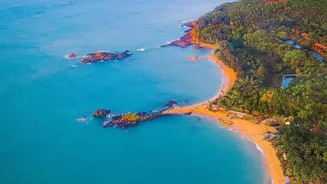
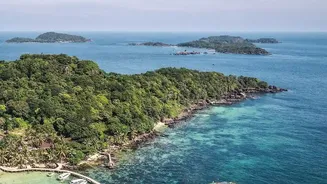
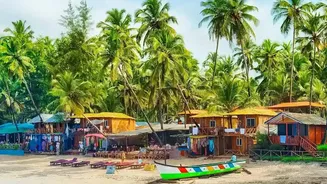
is part of a larger trend towards experiential travel, where the goal is to return home with a new skill or a unique story, not just a tan. Instead of simply sightseeing, people want to engage with the destination. This has fuelled a boom in adventure tourism along India's vast coastline, with the market seeing significant year-over-year growth. Coastal destinations in states like Kerala, Karnataka, and Goa are no longer just competing on the beauty of their beaches, but on the quality and variety of activities they offer.
Riding the Waves and Paddling the Backwaters
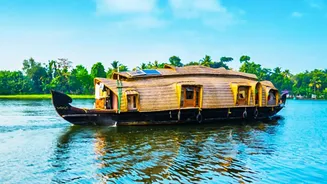
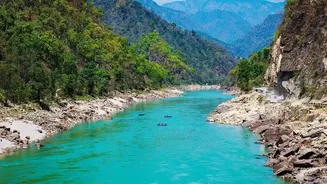
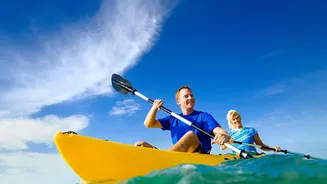
Water sports are at the heart of this new wave of active coastal travel. Surfing, once a niche activity, is now accessible to beginners at schools in Varkala, Kovalam, and Mulki. These institutions offer everything from single lessons to multi-day courses, making it easy for first-timers to get on a board safely. Beyond surfing, kayaking and stand-up paddleboarding (SUP) have exploded in popularity. These activities offer a different perspective, allowing travellers to explore serene backwaters, mangrove forests, and hidden coves that are inaccessible from land. Destinations like the backwaters of Kerala and the Shambhavi River in Karnataka provide calm waters perfect for a peaceful paddle, combining gentle exercise with nature immersion.
Connecting with Culture and Community
The new coastal traveller is also seeking a deeper connection with local life. The focus is shifting towards authentic interactions that go beyond typical tourist fare. This can mean taking a coastal trek with a local guide who can explain the tidal ecosystem or joining a cooking class to learn the secrets of regional seafood preparations. Community-based tourism initiatives are emerging, offering experiences like going on a fishing trip with local fishermen or staying in village homestays. These activities not only provide travellers with more meaningful memories but also create alternative income streams that directly support coastal communities.
The Rise of Conscious Coastal Travel
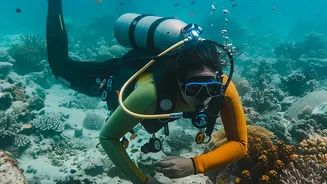
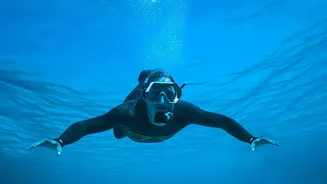
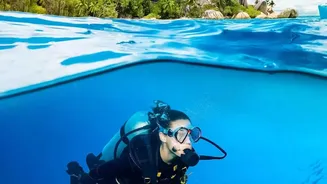
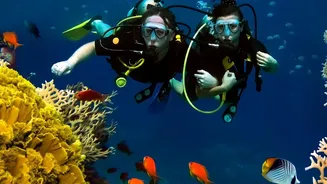
Alongside the desire for activity is a growing environmental consciousness. Travellers are increasingly looking for ways to give back to the destinations they visit. This has led to the rise of eco-tourism focused on marine conservation. In places like the Andaman Islands and coastal Karnataka, organisations offer opportunities for travellers to participate in coral reef restoration, assist with sea turtle nest monitoring, or join beach clean-up drives. These hands-on conservation efforts allow visitors to play an active role in preserving the fragile ecosystems they have come to enjoy, turning a simple holiday into a purposeful journey.