






Ancient Wisdom in Earthen Clay
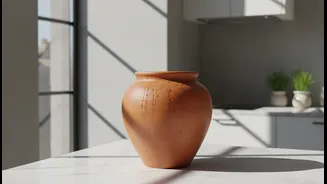
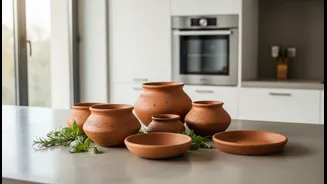
For thousands of years, civilizations in hot, dry climates have used a simple yet ingenious method to keep water and food cool: the humble clay pot. In India, the traditional 'matka' has long been a household staple for storing cool drinking water. The
magic lies in a natural process called evaporative cooling. This age-old technology, known in some regions as a 'Zeer pot', consists of one porous earthenware pot nested inside another. The space between the two is filled with wet sand, and as the water evaporates from the outer surface, it draws heat away from the inner chamber, naturally lowering the temperature inside. It's the same principle that cools our bodies when we sweat. This clever, electricity-free refrigerator has been a lifeline for preserving produce long before modern cooling existed.
The Modern Makeover
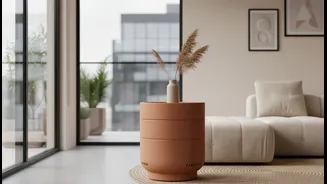
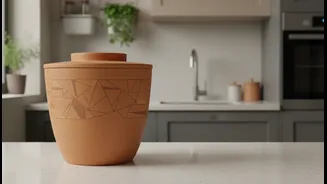
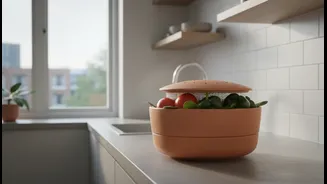
While the science remains the same, designers are now reimagining the traditional clay cooler for the contemporary urban home. Modernised versions focus on aesthetics, modularity, and a compact footprint, making them a perfect fit for smaller kitchens where counter space is precious. London-based designer Ellie Perry, for instance, created the 'Terracooler,' a stylish, multi-tiered version of the Zeer pot designed to sit elegantly on a countertop. Other innovations include adding interior dividers for better organisation, using attractive lids, and even mounting the pots on rolling carts for mobility. These updates transform a rustic utility item into a functional piece of decor, blending ancient sustainability with modern design sensibilities.
How It Works: A Simple Science
The effectiveness of a terracotta cooler hinges on its porosity. The unglazed clay of the outer pot is filled with microscopic pores that allow water to seep through from the sand-filled cavity. When this moisture reaches the outer surface, it evaporates into the surrounding air. For water to change from a liquid to a gas (evaporation), it needs energy, which it pulls from its immediate surroundings in the form of heat. This process effectively draws heat out of the clay pot, the sand, and, most importantly, the inner chamber where food is stored. The result is a storage environment that can be significantly cooler than the ambient room temperature, extending the life of fruits and vegetables without using a single watt of electricity.
Sustainability in the City
In an era of rising energy costs and climate consciousness, the modern terracotta cooler presents a powerful case for sustainability. A standard refrigerator is one of the most energy-hungry appliances in a home. By offering a zero-energy alternative for storing produce, these pots can meaningfully reduce a household's electricity consumption and carbon footprint. This also translates into lower utility bills. Furthermore, by keeping fruits and vegetables fresh for longer, these devices help combat food waste, a major issue in urban areas. Unlike plastic containers, which contribute to pollution and can leach chemicals, terracotta is a natural, safe, and durable material, making it a truly eco-friendly choice for the conscious consumer.
Is It Right for Your Kitchen?
A modernised clay pot cooler is an ideal secondary storage solution, especially for items that don't require intense refrigeration. It excels at keeping leafy greens crisp, extending the life of tomatoes and cucumbers, and perfectly storing root vegetables like carrots and beets. They are not suitable for storing meat or dairy products, which require colder, more consistent temperatures. Their performance is best in areas with good air circulation, as airflow enhances evaporation. For anyone living in a small apartment, struggling with an over-stuffed fridge, and looking for simple ways to live more sustainably, this blend of ancient tradition and modern design offers a practical, beautiful, and intelligent solution.