




A Historic Mismatch on Paper
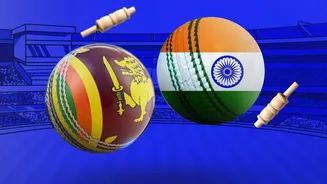
The stage was set for a landmark occasion. On September 22, 2026, India and Japan were to play their first-ever senior men's international cricket match. The one-off T20I, branded the Suzuki Cup, was part of the 'Sport 75' initiative, marking 75 years
of diplomatic relations between the two countries. For Team India, the reigning world champions and the top-ranked T20I side, it was a scheduled stop and a tune-up ahead of the Asian Games. For Japan, a nation where cricket is still finding its footing, it was a monumental opportunity to test themselves against the world's best. On paper, it was the ultimate David vs. Goliath contest; in reality, it was a clash that would defy all expectations and leave Indian fans breathless.
A Five-Over Frenzy
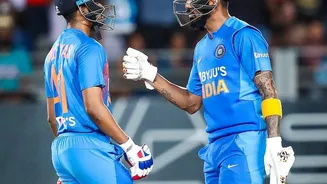
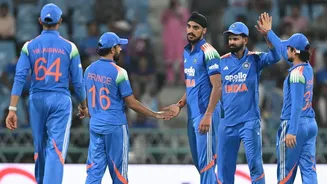
The day began not with a bang, but with a long, frustrating wait. Heavy rain and a wet outfield at the Sano International Cricket Ground delayed the start for hours, eventually forcing the umpires to reduce the historic game to a frantic five-overs-a-side contest. Indian skipper Shreyas Iyer won the toss and, in a statistically notable move, chose to bat first—a first for a Full Member captain in a five-over T20I. What followed was anything but the expected batting masterclass. India’s powerful top order crumbled under pressure. Abhishek Sharma was dismissed for a golden duck, continuing an unfortunate run of form. The innings never gained momentum. Only Shreyas Iyer, with a gritty 16 runs, offered any real resistance as Japanese bowler Charlie Hara-Hinze impressed by taking two key wickets. India limped to a paltry total of 32 for 4 in their five overs, a score that felt shockingly inadequate, even for a shortened game.
Japan's Unthinkable Chase
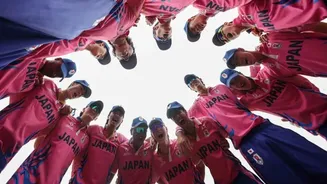
With a target of just 33 runs to win, the impossible suddenly seemed possible for Japan. They were playing their first-ever match against a Full Member nation, and yet they batted with a composure that belied their underdog status. The Indian bowlers, armed with a minuscule total to defend, looked tense. Every run Japan scored was met with a mix of applause from the home crowd and stunned silence from Indian supporters. Japan’s captain, Kendel Kadowaki-Fleming, led the charge with a crucial knock of 12 runs, chipping away at the target and bringing his team ever closer to a historic victory. The tension mounted with each delivery. This wasn't just a good effort; it was a genuine, nail-biting chase that put the world champions on the back foot and on the verge of a humiliating defeat.
Saved by a Two-Run Margin
The match came down to the final, nerve-shredding over. Japan needed just eight runs to win. The ball was thrown to Washington Sundar, who was tasked with saving India from an upset for the ages. He held his nerve under immense pressure. Despite a valiant effort from the Japanese batters, they couldn't find the boundary they so desperately needed. Sundar bowled a tight line, conceding just enough to keep India ahead. In the end, Japan finished on 30 for 3, falling an agonizing two runs short of their target. The Indian team breathed a collective sigh of relief, having snatched victory from the jaws of a defeat that would have been talked about for decades. While the scorecard shows an Indian win, the story of the match was Japan's incredible, fearless performance.