



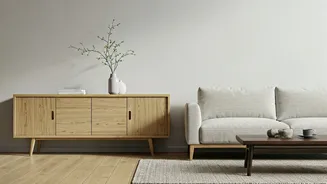


Embrace the 'Less is More' Philosophy
The foundational principle of Zen design is *Kanso*, or simplicity. This means decluttering with purpose. A Zen living room is free of unnecessary objects that distract the eye and mind. Start by assessing everything in your room. Ask yourself: is this
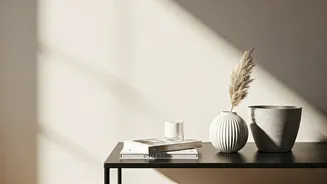
item functional, beautiful, or does it hold deep personal meaning? If not, it might be time to let it go. This isn't about stark minimalism but about making conscious choices. Clear surfaces, remove excess trinkets, and keep only what serves a purpose or brings you joy. The goal is to create visual silence, allowing your mind to rest the moment you enter the space.
Adopt an Earthy and Neutral Palette
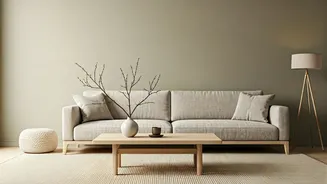
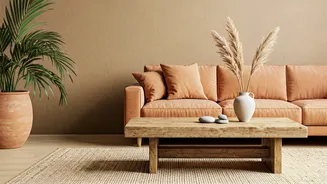
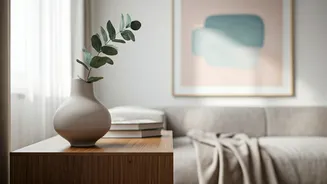
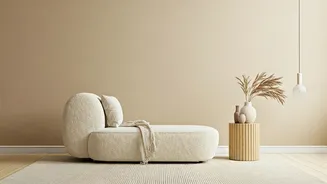
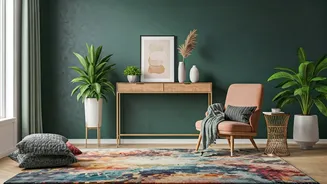
Colour has a profound impact on our mood. Zen interiors favour a soft, natural colour palette that promotes tranquility. Think of colours found in nature: shades of white, soft grey, beige, and earthy tones like muted greens and browns. These colours create a serene backdrop that doesn't overwhelm the senses. Use a dominant neutral colour for the walls and larger furniture pieces. You can introduce subtle hints of colour through a single piece of art, a cushion, or a plant, but avoid loud, jarring patterns and bright, aggressive hues. The harmony of colours should contribute to an overall feeling of calm and cohesion.
Invite Nature Indoors
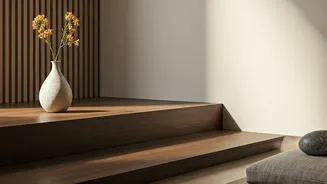
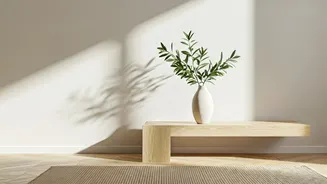
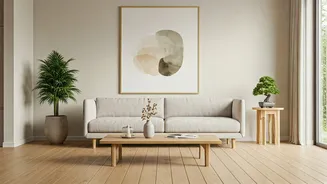
A connection to the natural world, or *Shizen*, is central to Zen philosophy. Bringing natural elements into your living room is one of the easiest ways to cultivate a peaceful atmosphere. Incorporate houseplants like bamboo, bonsai, or snake plants, which not only look beautiful but also purify the air. Use materials like wood for flooring or furniture, bamboo for blinds, and stone for decorative accents. Natural fibres for textiles—such as linen curtains, a jute rug, or cotton throws—add texture and warmth without creating visual noise. The presence of these elements serves as a constant, gentle reminder of the world outside, grounding you in the present moment.
Prioritise Natural and Layered Lighting
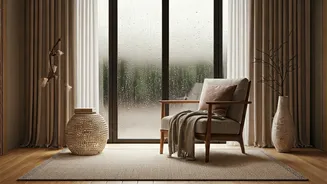
Light is a key design element in creating a Zen space. Maximise natural light wherever possible by keeping window treatments simple and sheer. Avoid heavy, dark curtains that block sunlight. For artificial lighting, think in layers. Instead of a single, harsh overhead light, opt for multiple sources of soft, ambient light. A floor lamp with a paper shade, a dimmable table lamp, or even flameless candles can create a warm and inviting glow in the evenings. The idea is to mimic the gentle, diffused light found in nature, which is much easier on the eyes and helps signal to your body that it's time to relax.
Choose Low-Profile, Mindful Furniture
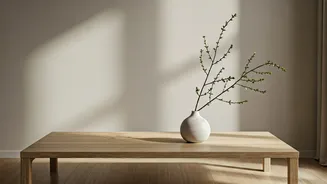
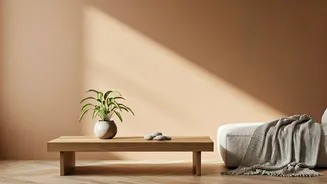
Zen-inspired furniture is characterized by clean lines, simple forms, and natural materials. Look for pieces that are low to the ground, which helps create a feeling of stability and connection to the earth. A simple wooden coffee table, a sleek sofa with uncluttered lines, and floor cushions can all contribute to the aesthetic. The arrangement of the furniture is just as important. Ensure there is a clear and open flow of movement through the room. Avoid blocking pathways or creating a cramped layout. Each piece should have its own space to 'breathe', reinforcing the overall sense of order and calm.
Implement Smart, Hidden Storage
A tranquil space is a tidy space. While decluttering is the first step, we all have essential items that can create mess—remote controls, chargers, books, and magazines. The key is to integrate clever and concealed storage solutions. Think of a minimalist media console with closed cabinets, a coffee table with built-in drawers, or woven baskets that can be tucked away. By providing a designated, hidden home for everyday items, you make it effortless to maintain a clutter-free environment. This practice supports mindfulness by reducing the constant visual reminders of your to-do list, allowing you to be fully present in your peaceful living room.