






The Great Unplugging
The desire to disconnect from the digital world is fast becoming a leading driver in travel decisions for Indians. Faced with record-high screen time and blurring work-life boundaries, many are seeking holidays that offer more than just sightseeing; they
want a genuine mental reset. This has fueled a trend towards "urban detox" vacations, where the main agenda is to switch off devices and reconnect with oneself and the natural world. Market reports indicate that digital detox escapes are the fastest-growing segment within India's booming wellness tourism market, which is ranked number one globally. This shift reflects a new kind of luxury, where peace and privacy are more valuable than high-speed Wi-Fi.
Coorg: The Scent of Coffee and Calm
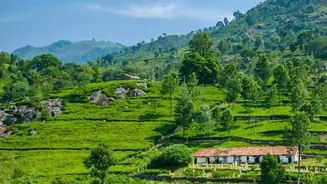
Nestled in the Western Ghats, Coorg (Kodagu) has long been a favourite retreat, but its plantation stays are now at the heart of this detox trend. Unlike conventional hotels, these homestays are located within sprawling coffee and spice estates, offering an immersive experience. Life here moves at a slower pace, dictated by nature. Mornings begin with mist-covered vistas, followed by guided walks through aromatic coffee groves where you learn about the journey from bean to cup. The appeal lies in its simplicity: birdwatching, reading a book on a quiet verandah, and enjoying home-cooked Kodava cuisine made from fresh, local produce. It’s an environment that naturally encourages you to put your phone away and engage your senses.
Araku Valley: Hills, Heritage, and Healing
On the other side of South India, in the Eastern Ghats of Andhra Pradesh, Araku Valley offers a different but equally compelling detox experience. Known for its scenic hills, waterfalls, and tribal heritage, Araku's hospitality landscape is expanding to meet growing demand. Recent government initiatives are promoting hundreds of new homestays to offer visitors an authentic experience of the region's culture and lifestyle. Visitors can stay on organic coffee plantations, often managed by local tribal communities, providing a unique cultural exchange. The experience here is less about colonial-era bungalows and more about an earthy connection to the land and its people, with activities centered on nature trails, exploring caves, and understanding the valley’s unique biodiversity.
Why Plantations, Why Now?
The draw of a plantation is unique. It isn’t wild, untamed nature; it's nature that is cultivated, ordered, and productive. This managed tranquility provides a soothing contrast to the chaos of city life. For the urban professional, seeing a working coffee or spice estate offers a connection to a slower, more deliberate way of life. The homestay model enhances this appeal. Instead of the anonymous experience of a large resort, homestays offer personalised attention, authentic interactions with hosts, and the warmth of a home. This combination of serene, structured nature and genuine hospitality is proving to be the perfect formula for those looking to heal from urban burnout.
More Than Just a Pretty View
An effective urban detox is about more than just a change of scenery. It's an active process of recalibration. In places like Coorg and Araku, this is facilitated by the environment itself. Limited or non-existent mobile networks in some areas make digital disconnection a default rather than a choice. The days are filled not with scrolling, but with sensory experiences: the smell of rain on the soil, the taste of freshly brewed coffee, and the sounds of the forest. Activities like hiking, yoga, and simply walking barefoot on the grass help ground visitors in the present moment. Studies have shown that spending time in such natural environments can significantly reduce stress hormones, improve sleep, and restore mental clarity.