


The Green Transformation
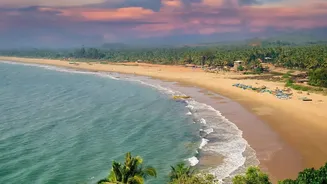
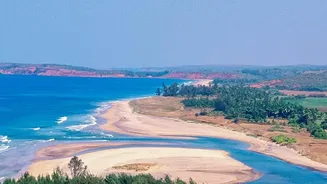
Between June and September, Goa undergoes a dramatic makeover. The sun-bleached landscapes of peak season are replaced by a vibrant, emerald paradise. The rains breathe new life into the state, transforming the countryside into a postcard of lush paddy
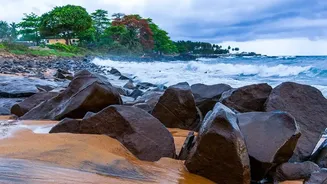
fields, mist-covered hills, and dripping coconut groves. This shift from a beach-centric holiday to a nature-focused retreat is at the heart of the monsoon's growing appeal. It's a time when the focus moves inland, away from the now-choppy seas, towards the state's verdant hinterlands. Travellers are discovering that the real magic of monsoon Goa lies in its serene, rain-washed beauty.
Waterfalls and Adventure
The monsoon is when Goa's waterfalls, dormant for months, roar back to life. The most famous of these is Dudhsagar Falls, which translates to "Sea of Milk." Located on the border with Karnataka, this four-tiered cascade becomes a spectacular sight, drawing trekkers and nature lovers. Beyond Dudhsagar, numerous smaller waterfalls like those at Harvalem and Tambdi Surla become accessible, offering opportunities for hikes through the lush Bhagwan Mahavir Wildlife Sanctuary. For thrill-seekers, the swollen Mhadei River offers the unique experience of white-water rafting, an activity only available during this season.
Cultural Festivities and Cosy Comforts
The rainy season is also rich with local culture. One of the most unique celebrations is the São João festival on June 24th. A tribute to St. John the Baptist, it sees locals, wearing floral crowns called 'kopels', joyfully jumping into overflowing village wells and streams. This is a sight unique to Goa and deeply connected to the arrival of the life-giving rains. Beyond festivals, the season encourages a slower pace of life. It’s the perfect time for cafe hopping in the colourful Latin Quarter of Fontainhas in Panjim, exploring museums, or indulging in long, leisurely Goan meals while watching the downpour.
The Practical Perks
A major draw for visiting Goa during the monsoon is the significant drop in crowds and prices. With fewer tourists, popular spots are quieter, allowing for a more peaceful and intimate experience. Accommodation rates at hotels and resorts can be 30-50% lower than during the peak winter season, making a luxury stay more accessible. The roads are less congested, and you won’t find long queues at your favourite restaurants. This combination of affordability and tranquillity makes the monsoon an attractive proposition for budget-conscious travellers and those seeking a relaxed escape.
What to Know Before You Go
While monsoon Goa is enchanting, it's not a typical beach holiday. Swimming in the sea is unsafe due to rough conditions and strong rip currents. Most beach shacks that line the coast in winter are closed. It's essential to pack waterproof footwear, a light rain jacket, and insect repellent. When planning activities like trekking to waterfalls, it's wise to check local conditions and go with a guide, as trails can be slippery and some routes may have access restrictions during heavy downpours. Despite these considerations, for those prepared to embrace the rain, the rewards are immense.