



Rethink Your Watering Schedule
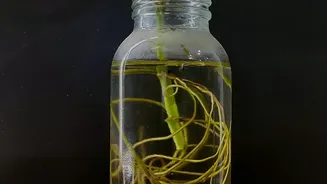
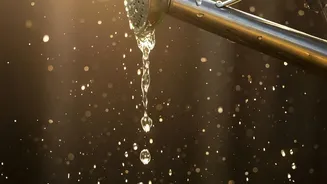
The single biggest mistake plant parents make during the monsoon is overwatering. With high humidity in the air, the soil in your pots dries out much more slowly. Sticking to your summer watering schedule can quickly lead to waterlogged soil, which suffocates
roots and causes them to rot. Before you even think about watering, perform the finger test: insert your finger about an inch or two into the soil. If it feels moist, wait. Many common indoor plants may only need watering once every 10 to 15 days during the rainy season. It’s always better to underwater slightly than to risk root rot, from which plants rarely recover. When you do water, do so in the morning to allow any excess moisture to evaporate during the day.
Improve Air Circulation and Light
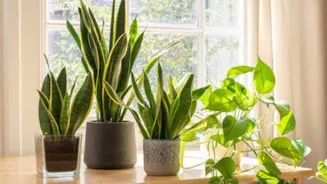
Stagnant, humid air is a breeding ground for fungal diseases. Improving air circulation around your plants is crucial. If possible, open windows when it's not raining or use a small fan on a low setting for a few hours each day to keep the air moving. Another simple trick is to give your plants some space; avoid crowding them together, as this traps moisture between the leaves. Monsoon also means fewer sunny days. Compensate for the reduced light by moving your plants closer to windows that receive bright, indirect light. Rotate them every few days to ensure all sides get some exposure.
Guard Against Pests and Fungi
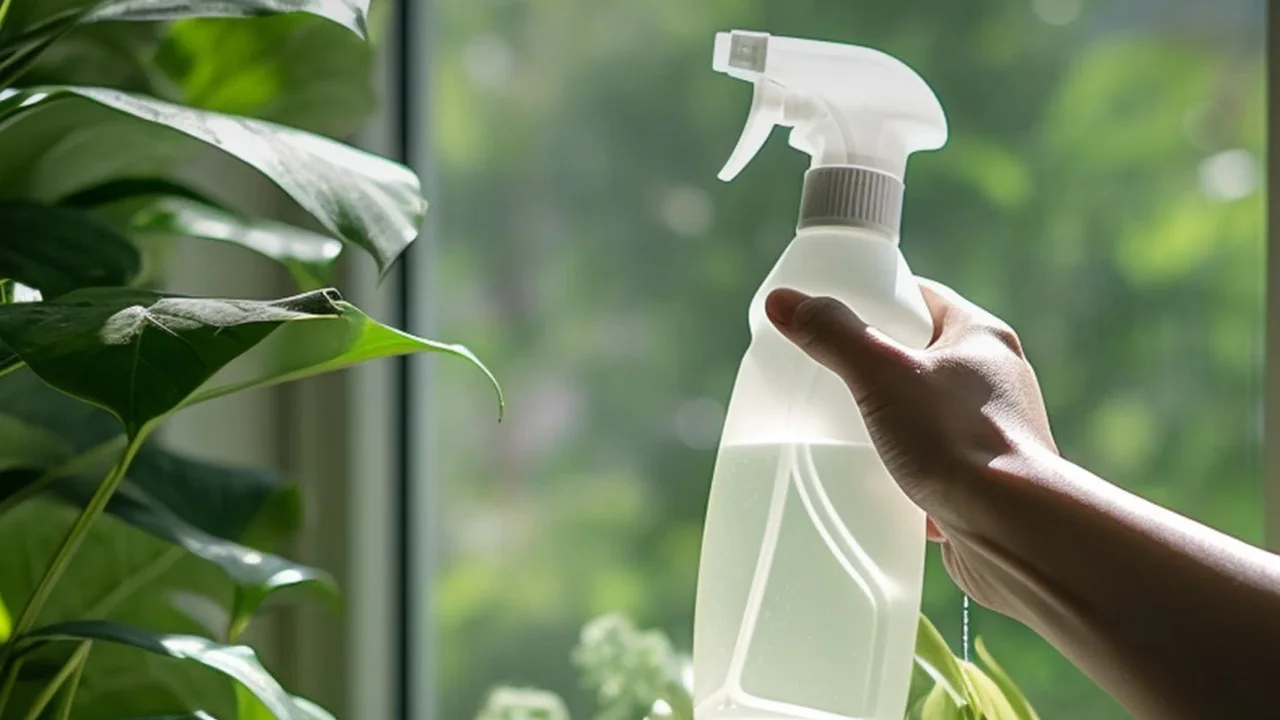
High humidity creates the perfect storm for pests and fungal infections. Powdery mildew, which looks like a white dusting on leaves, and fungal leaf spots are common problems. Fungus gnats, tiny flies that hover around the soil, are also frequent unwanted guests, as they thrive in moist conditions. Prevention is your best defence. Ensure your pots have good drainage and that you empty any water collected in the saucer underneath. Wipe down leaves with a soft cloth weekly to remove dust and potential fungal spores. For a natural preventive measure, a diluted neem oil solution can be sprayed on leaves and soil every 10-15 days. If you spot an infected plant, isolate it immediately to prevent the issue from spreading.
Hold Back on Fertiliser
Plants generally experience slower growth during the overcast, low-light days of the monsoon. Because they aren't actively pushing out lots of new leaves or flowers, they don't require as many nutrients. Fertilising during this semi-dormant period can do more harm than good, potentially leading to root burn. It’s best to reduce the frequency of feeding or pause it altogether until the skies clear and you notice signs of active growth returning. If you feel your plants need a small boost, opt for a mild organic option like compost or vermicompost over strong chemical fertilisers.
Prune and Maintain for Health
A little housekeeping goes a long way in keeping your plants healthy during the rains. Regularly inspect your plants and prune any yellowing, dead, or diseased leaves. This not only makes your plant look tidier but also improves air circulation through its foliage and prevents diseases from taking hold on decaying matter. Be careful not to over-prune, as this can stress the plant. Also, ensure the drainage holes at the bottom of your pots are not clogged. Elevating pots on stands can significantly improve drainage and prevent water from pooling at the base, a common cause of root issues during the monsoon.