



That familiar fizz of spiced cumin, once the humble hero of street-side stalls, is having a major moment. Jeera soda is moving beyond its traditional role as a digestive cooler, appearing in sleek bottles and on trendy cafe menus across India.
An Icon of the Indian Street
For generations,
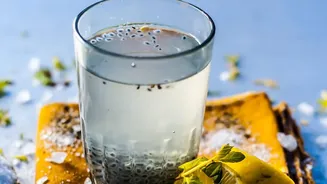
jeera soda has been an integral part of India's vibrant street food culture. Traditionally served by vendors from glass bottles or steel cups, it was the go-to remedy for a heavy meal or a quick refreshment on a sweltering day. Made with roasted cumin (jeera), soda water, black salt, and a squeeze of lemon, its signature 'chatpata' flavour is both a nostalgic taste of childhood and a functional digestive aid. This earthy, tangy, and slightly spicy profile sets it apart from conventional sweet soft drinks, offering a uniquely Indian form of refreshment.
From Street Stall to Supermarket Shelf
The biggest shift in jeera soda's journey is its move into the mainstream beverage market. What was once a fragmented landscape of local vendors is now a booming category with established brands. Companies like Xotik Frujus with Jeeru, House of Bindu's Fizz Jeera Masala, and Parle Agro's Dhishoom have transformed the street-side classic into a convenient, ready-to-drink product. One of the most notable success stories, Lahori Zeera, reportedly began as a kitchen experiment and grew into a business expected to generate revenues of up to $120 million. This transition has made the drink accessible to a wider audience, solidifying its place in refrigerators and retail stores nationwide.
A Health-Conscious Choice
Part of jeera soda's modern appeal lies in its perceived health benefits, which align with a growing consumer focus on wellness. Cumin itself has been used in Ayurvedic traditions for centuries and is known for its powerful digestive properties. The spice is rich in antioxidants, a good source of iron, and contains compounds like thymol that stimulate digestive enzymes, helping to reduce bloating and indigestion. While bottled versions are still carbonated beverages, they are often seen as a more functional and less sugary alternative to mainstream colas, which are often viewed as empty calories. This 'better-for-you' perception is a significant driver of its rising popularity.
The Power of Nostalgia
Beyond its taste and functional benefits, jeera soda carries strong emotional value. For many Indians, the flavour is deeply connected to memories of family outings, summer holidays, and bustling markets. Brands have successfully tapped into this sentiment, marketing not just a drink but a feeling of comfort and belonging. This strategy of 'nostalgia marketing' has proven incredibly effective in the Indian market, where consumers form strong emotional attachments to familiar tastes. As consumers increasingly seek authenticity and a connection to their roots, jeera soda offers a taste of home in a convenient, modern format.
A Modern Makeover in Cafes and Bars
The evolution of jeera soda doesn't stop with bottling. The drink is also being reinterpreted in trendy cafes, restaurants, and even cocktail bars across urban India. Here, it sheds its humble image and is often presented as a premium, artisanal beverage. Some establishments create their own house-made cumin syrups, while others use it as a base for innovative mocktails and cocktails, blending the traditional spice with new ingredients. This trend reflects a broader cultural movement of reclaiming and celebrating indigenous Indian ingredients, giving them a contemporary platform and introducing them to a new generation of consumers who are proud of local flavours.