






An Uneven Monsoon Report Card
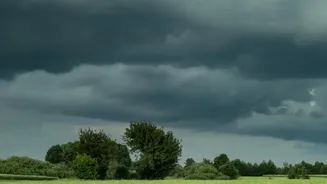
The Southwest Monsoon, the lifeblood of India's agricultural economy, has had an erratic run in 2026. After a significant deficit in June, rainfall picked up in July, offering a sense of relief. However, the recovery has been inconsistent. As of mid-August,
total kharif sowing across the country was still trailing last year's figures by about 2%. Data from the India Meteorological Department (IMD) shows that while some regions have received normal to heavy rainfall, many districts, particularly in rain-fed areas, are facing deficits. The IMD had forecast a below-normal second half of the monsoon (August-September), influenced by strengthening El Niño conditions, which typically suppress rainfall over India. This uneven distribution is critical, as the coming weeks are crucial for the growth stages of crops that will determine the final yield.
Key Crops Under Pressure
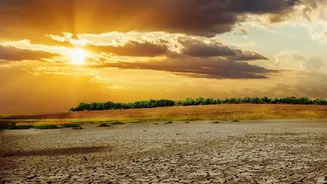
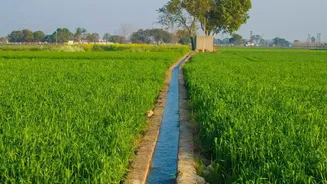
The impact of the patchy monsoon is most visible in the sowing data for major kharif crops. As of August 14, rice acreage was down by approximately 3.7% compared to the previous year. Paddy is the largest kharif crop, and a shortfall here is a significant concern. Other important crops have also seen a dip in sowing area, including maize, tur (arhar dal), and soybean. While there have been gains in some oilseeds like sunflower and pulses like urad, the overall trend for staples is worrying. With the sowing window now largely closed, the nation's food grain production for the season hinges almost entirely on the yield from the already-planted crops, which are vulnerable to moisture stress if the rains remain weak through August and September.
From Fields to Your Kitchen
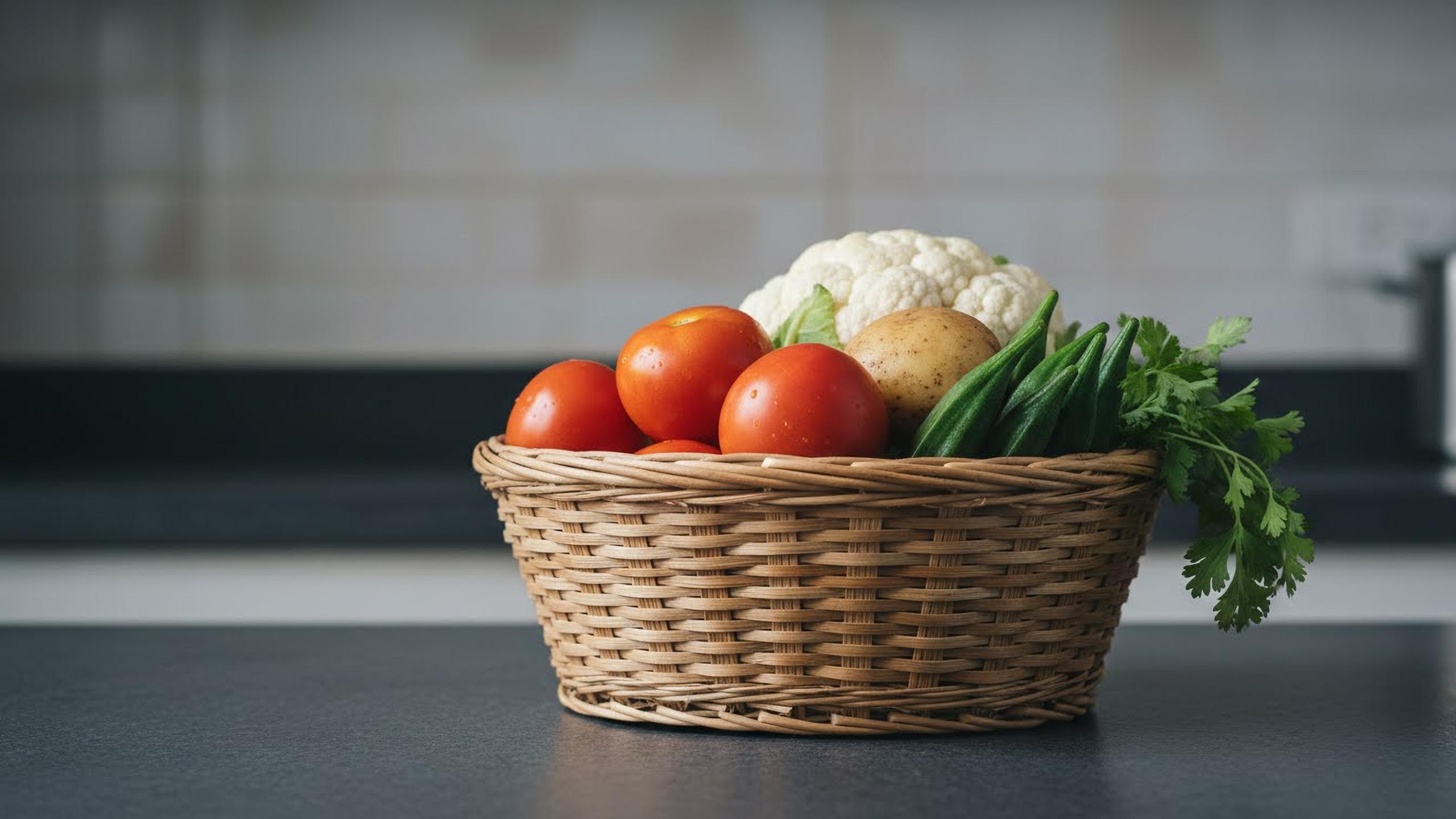
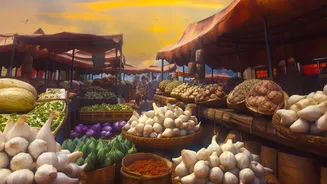
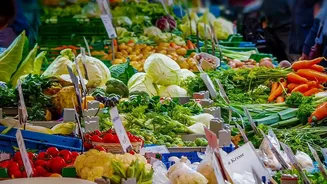
The connection between lower acreage and higher prices is straightforward: reduced supply. When the output of essential commodities like rice, pulses, and vegetables falls short of demand, prices naturally climb. This isn't just a future possibility; some effects are already being felt. Even before the full impact of the kharif harvest is known, prices for some rice varieties have already increased by over 10% due to tightening supplies between harvest cycles. Data for July 2026 already showed a slight uptick in overall retail inflation to 4.45%, with food inflation accelerating to 5.52%. Analysts note that prices of vegetables like onions and garlic have contributed to this rise and warn that food will remain a key factor driving inflation in the coming months. A poor harvest would only add fuel to this fire, directly impacting household budgets.
The Government's Safety Net
The government is not a passive observer in this situation. India maintains buffer stocks of key staples like rice and wheat precisely for such contingencies. These reserves can be released into the market to cool down prices if they rise too sharply. Additionally, the government can use trade policies, such as banning exports of certain commodities or allowing for imports, to manage domestic availability and control prices. Ministries are monitoring the situation closely, and contingency plans are being drawn up to support farmers and ensure water conservation. India is also better prepared than in the past due to fuller dams from previous good monsoons and an increasing reliance on renewable energy, which saves precious reservoir water for irrigation and drinking.