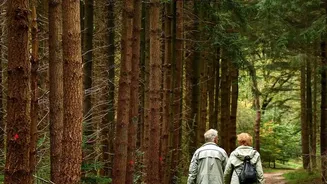








Resetting Your Body Clock with Sunlight
The most significant way outdoor walking improves sleep is by regulating your circadian rhythm, which is your body's internal 24-hour clock. This internal timer dictates when you feel alert and when you feel drowsy. The most powerful signal for setting
this clock is natural light. When you walk outdoors, especially in the morning, the sunlight entering your eyes sends a direct message to your brain to suppress the production of melatonin, the hormone that makes you sleepy. This helps you feel awake and energized during the day. By establishing a clear daytime 'on' signal, your body is better prepared to produce melatonin in the evening when darkness falls, promoting a smoother transition to sleep. Even just 20 to 30 minutes of natural light exposure can have a profound effect on calibrating this essential cycle.
The Physical Path to Deeper Sleep
Beyond light exposure, the physical act of walking itself is a potent sleep promoter. Regular, moderate exercise like brisk walking has been consistently shown to increase the amount of deep, slow-wave sleep you get each night. This is the most restorative stage of sleep, crucial for physical repair and memory consolidation. Exercise helps by raising your core body temperature slightly. As your temperature naturally falls later in the day, it signals to your body that it's time to rest. Furthermore, physical activity is a proven method for reducing levels of stress hormones like cortisol, which can interfere with sleep when elevated. By burning off daily tension and tiring your muscles, a consistent walking routine helps your body achieve a state of relaxation that is more conducive to falling and staying asleep.
Fresh Air, Calmer Mind
While the term 'fresh air' can sound a bit old-fashioned, the benefits of being outdoors are tangible. Spending time in nature, away from indoor pollutants, can improve respiratory function. During exercise, you naturally breathe more deeply, which increases oxygen levels in your blood. This improved oxygenation can contribute to better bodily function and a greater sense of calm. The environment itself plays a role; the sights and sounds of nature have a relaxing effect on the mind, helping to lower stress and anxiety. Research has shown that spending time in natural settings can reduce feelings of depression and boost positive emotions, creating a better mental state for restful sleep.
The Power of the Pack
Joining a club adds a powerful social dimension that amplifies the benefits of walking alone. Humans are social creatures, and a sense of community is intrinsically linked to our well-being. Walking with a group provides accountability, making you more likely to stick with the routine even on days when motivation is low. This social interaction is also a powerful antidote to loneliness and isolation, which are significant contributors to poor sleep. Engaging with others, sharing conversation, and feeling part of a community can significantly lower stress and improve your overall mood. Studies have shown that people who participate in group activities and hobbies often report better sleep quality than their more isolated peers, demonstrating that a healthier social life can lead to healthier sleep.