






From Tourist to Participant
The souvenir is no longer a magnet, but a new skill. For Gen Z and Millennial travellers, a holiday is increasingly seen as an opportunity for personal growth. This marks a significant departure from traditional tourism, which often involved passively
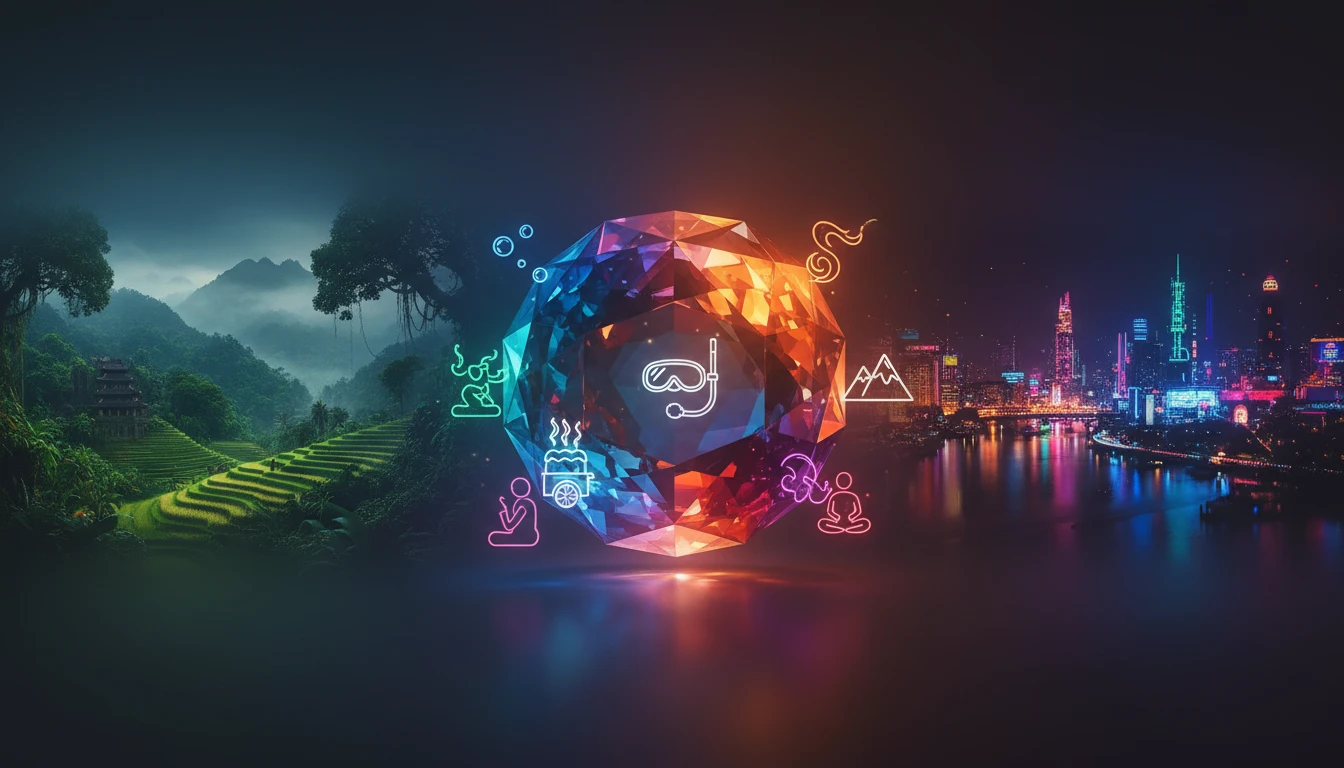
moving through a checklist of famous landmarks. Today, the trip itself is the destination. Younger travellers are building entire itineraries around a singular purpose, whether it's learning a skill, attending a music festival, or embarking on a wellness journey. They are more likely to spend money on unique activities that connect them to a place rather than on upgraded hotel rooms, viewing experiences as the real luxury. This 'experience-first' mindset means the goal is to come home with more than just photos, but with a new ability or a fresh perspective.
The Search for Authentic Connection
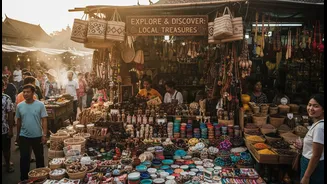
Getting off the beaten path is now a travel prerequisite. Younger adventurers are actively avoiding tourist traps in favour of genuine cultural immersion. A recent survey shows that for many, the main goal of travel is to experience a new culture. In Asia, this translates to swapping crowded bus tours for intimate cooking classes in Hanoi, exploring a single vibrant neighbourhood in Singapore like Joo Chiat in-depth, or learning traditional crafts from local artisans in Thailand. This desire for authenticity extends to food, with a growing interest in farm-to-table dining and understanding the story behind a meal. It's about interacting with the local community and creating memories that feel real and personal, not manufactured.
Wellness as the Main Event
A holiday is no longer just an escape from work; it's a chance to actively recharge mind and body. Wellness tourism is booming across Asia, with a significant number of young travellers prioritising trips that focus on personal wellbeing. Destinations like Bali, Thailand, and parts of India are becoming hotspots for wellness retreats that offer more than just a spa treatment. These trips are built around activities like yoga, meditation, digital detoxes, and 'forest bathing'. The trend reflects a broader recognition that travel can be a powerful tool for managing stress and improving mental health. For many, the peace found in a yoga shala in the Himalayas or a quiet beach in the Philippines is the most valuable souvenir.
Adventure and Self-Improvement
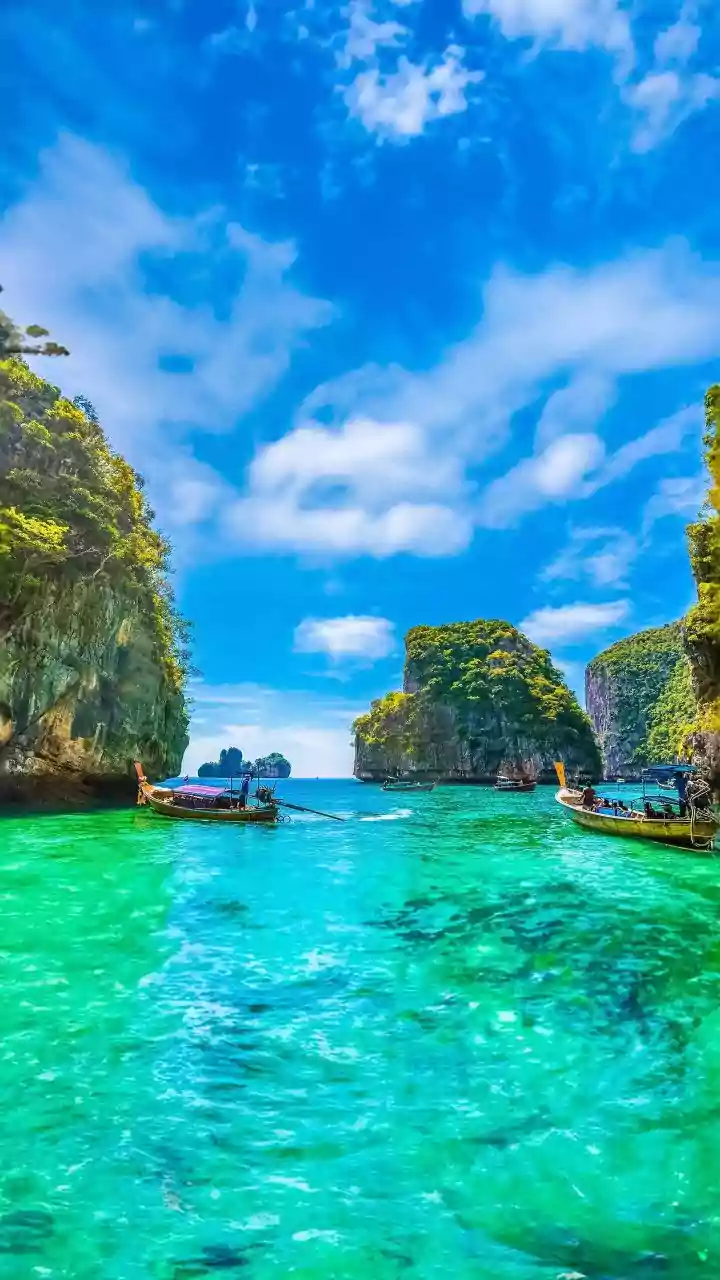
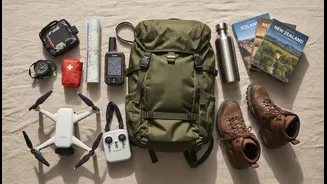
For this generation, personal growth can also mean pushing physical limits. Adventure travel is a major draw, with itineraries that include trekking in Nepal, getting a scuba diving certification in the Gili Islands, or kayaking through the dramatic cliffs of Halong Bay in Vietnam. Nearly half of young adults say they would choose a trip specifically to learn a new skill. This isn't just about the adrenaline rush; it's about building confidence and returning home with a tangible accomplishment. The journey becomes a story of personal achievement, whether it’s conquering a mountain or learning to surf. These skill-based holidays transform a simple vacation into a chapter of self-development.
Travel with a Conscience
Young travellers are increasingly aware of their environmental and social footprint. More than half state a preference for eco-friendly accommodation, and many are willing to pay more for sustainable travel options. This consciousness is shaping choices, leading them towards eco-lodges in Borneo, wildlife conservation projects in Thailand, or community-based tourism in rural Vietnam. While cost can still be a barrier, the intention is clear: they want their travel to have a positive impact, or at least a minimal negative one. This involves supporting local businesses and choosing experiences that respect the local environment and culture, turning travel into a force for good.