




Signs of a Fungal Paw Problem
Yeast and other fungi naturally live on your pet's skin, but an overgrowth can lead to uncomfortable infections. This often happens when paws are frequently damp or if your pet has underlying issues like allergies or a weakened immune system. Watch for persistent
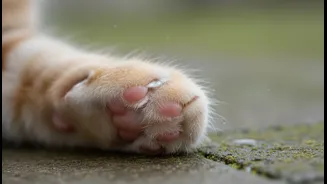
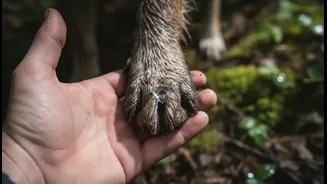
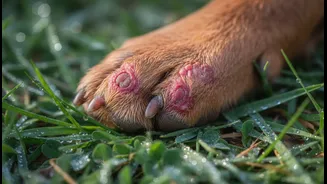
licking and chewing of the paws, which is a primary symptom. You might also notice redness and inflammation between the toes, scaly or flaky skin, and a distinct musty odour. In some cases, the fur around the paws may become stained a reddish-brown color from the saliva, and you might see a greasy, brown discharge near the nail beds.
Why You Must See a Vet First
While home care is helpful, self-diagnosing your pet’s paw problem is risky. Bacterial infections, parasites, or even an embedded foreign object can mimic the signs of a fungal issue. A veterinarian can perform a proper diagnosis, often by taking a quick skin sample to examine under a microscope. This confirms the presence of yeast or fungus and rules out other causes. Your vet can then recommend a course of action, which may include prescription medications like antifungal creams or oral tablets for more severe infections. Following your vet's diagnosis is the most critical step to ensure you are treating the correct problem safely.
DIY Soaks: Gentle and Effective Solutions
Once your vet has confirmed a fungal infection, you can support their treatment plan with simple, safe soaks at home. A povidone-iodine soak is a trusted veterinarian-recommended option. Add povidone-iodine (often sold as Betadine) to a basin of warm water until it reaches the colour of iced tea, then soak your pet’s paws for five minutes. This solution is a powerful yet gentle antibacterial and antifungal agent. Another option is a white vinegar soak, which creates an acidic environment that inhibits yeast growth. Mix one part white vinegar with two parts lukewarm water and soak the paws for about five minutes. However, never use vinegar on open sores, as it can sting. With any soak, it's crucial to pat the paws completely dry afterwards, especially between the toes, as leftover moisture can encourage more fungal growth.
Choosing a Safe Commercial Wash
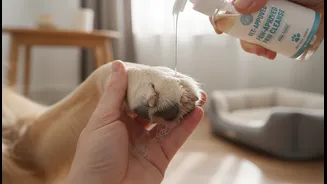
If you prefer a ready-made product, look for medicated shampoos or washes specifically designed for fungal and bacterial skin conditions in pets. The most effective veterinarian-recommended products often contain a combination of 2% chlorhexidine and 2% miconazole. Chlorhexidine is a potent antiseptic, and miconazole is an antifungal. When reading labels, also look for ingredients like ketoconazole, which is another common antifungal agent. Avoid products with harsh soaps, excessive fragrances, or alcohol, which can further irritate your pet's sensitive skin. Hypochlorous acid (HOCL) sprays are another safe and effective over-the-counter option that can kill bacteria and fungi without harming healthy tissue.
Prevention Is the Best Paw Care
Keeping fungal infections at bay involves simple but consistent habits. The most important rule is to keep your pet’s paws clean and, most importantly, dry. Thoroughly dry their feet after walks in the rain, swimming, or baths, paying special attention to the areas between their toes. If your pet has long hair, keeping the fur around the paws trimmed can help reduce moisture buildup. If allergies are the underlying cause of the irritation, working with your vet to manage them through diet or other treatments is essential for long-term prevention. Regular paw checks will help you spot any signs of redness or irritation early, allowing you to act before a minor issue becomes a major problem.