


The Hidden Dangers to Your Wood
Wood is a naturally porous material, which means it readily absorbs moisture. This is what makes it vulnerable to damage from water. A forgotten spill, a leaking plant pot, or even just the condensation that forms under a saucer can lead to ugly white
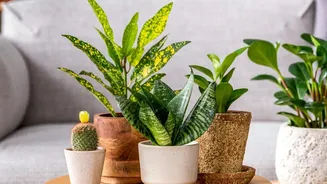
rings, dark stains, warping, or even mould growth. While many people place houseplants on their prized wooden tables and shelves, they often don't realise the risk until it's too late. Terracotta and some ceramic pots, for instance, can be porous and allow water to seep through, even if they have a saucer. The trapped moisture between a pot or saucer and the wood surface creates a humid microclimate that slowly ruins the finish and the wood itself.
The Solution: Waterproof Trays
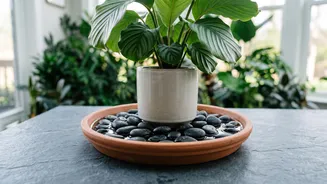
A waterproof humidity tray, often called a plant saucer or drip tray, is the first and most effective line of defence. These simple items are designed to create an impermeable barrier between a pot and the furniture surface. Unlike decorative saucers that might be porous themselves, a quality waterproof tray is designed to contain excess water from drainage holes and prevent any moisture from reaching the wood. They come in a variety of materials, including plastic, silicone, metal, or even absorbent stone-like diatomite which can absorb water and then let it evaporate. The key is to ensure the tray is completely watertight and large enough to do its job.
Choosing the Right Tray and Using It Correctly
When selecting a tray, size is crucial. It should be at least one to two inches wider in diameter than the base of your plant pot. This provides a safe margin to catch any runoff during watering. For materials, non-porous options like plastic or silicone are reliable choices. Some people prefer the look of absorbent stone trays, which can be effective but may need occasional cleaning to maintain their absorbency. No matter the material, avoid placing a pot directly on a wooden surface. Even with a tray, it's wise to add felt pads or small risers under it to allow for air circulation. This simple step helps prevent condensation from getting trapped, which can also cause damage over time.
Beyond Trays: A Holistic Approach to Wood Care
While waterproof trays are essential for anyone placing plants on furniture, they are part of a broader strategy for wood care. Always wipe up spills immediately, no matter how small. Controlling your home's overall humidity is also vital. Wood expands and contracts with humidity changes, which can lead to cracks and joint failure. Aim for an indoor humidity level between 40% and 55% by using a dehumidifier in humid months and a humidifier in dry winter months. Regularly applying a quality furniture polish or wax can also add another layer of protection, reinforcing the wood's finish against minor moisture exposure.
Smart Watering Habits Matter
Your watering routine can make a big difference. Whenever possible, take plants to a sink for watering. Let them drain completely before placing them back on their trays. This minimizes the amount of standing water that sits in the saucer. Be careful not to overwater, which is the primary cause of overflow. For very large pots that are difficult to move, water slowly and check the tray to ensure it's not about to overflow. Remember that fertilizers and other minerals in the water can also stain wood surfaces if they spill, so careful handling is always recommended.