




The Nutritional Power of Walnuts
To call walnuts nutritious is an understatement. They are a true powerhouse of valuable nutrients. What makes them stand out, even among other healthy nuts, is their exceptionally high content of alpha-linolenic acid (ALA), a plant-based omega-3 fatty
acid. Just a single one-ounce serving provides 2.5 grams of ALA, more than any other common nut. This essential fat is crucial for reducing inflammation and has been linked to a lower risk of heart disease. Beyond omega-3s, walnuts are packed with antioxidants, including polyphenols and vitamin E, which help combat oxidative stress in the body. They also provide a good source of protein, fibre, and essential minerals like magnesium, making them a fantastic addition to a balanced diet aimed at supporting heart, brain, and gut health.
What a Healthy Serving Looks Like
The key to incorporating walnuts successfully is understanding what a standard serving size is. Most health guidelines, including those from the U.S. Department of Agriculture, define one serving of nuts as one ounce, which is approximately 28 to 30 grams. For walnuts, this translates to about 14 halves, or roughly a quarter cup. This small, closed handful is the benchmark for a healthy daily portion. While it might seem smaller than you'd expect, this amount is enough to deliver the nutritional benefits without contributing to significant weight gain. For a visual cue, try measuring out one ounce of walnuts on a kitchen scale just once. Place it in your palm to see and feel what that amount looks like; this simple exercise can train your hand and eye to estimate portions more accurately in the future.
Understanding the Calories
While incredibly healthy, walnuts are calorie-dense due to their high content of beneficial fats. A standard one-ounce (28-gram) serving of walnuts contains approximately 185 to 190 calories. This portion also includes about 18 grams of fat, 4 grams of protein, and 2 grams of fibre. It's important to recognise that the majority of this fat is the healthy, unsaturated kind that supports your heart and brain. However, because they pack a lot of energy into a small package, it’s easy to overeat them if you’re snacking directly from a large bag. Being mindful of the 185-calorie count for a handful of about 14 halves helps you factor them into your daily energy needs without accidentally derailing your health goals.
Tips for a Balanced Breakfast Bowl
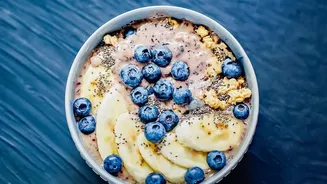
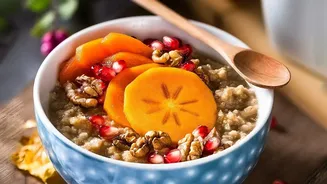
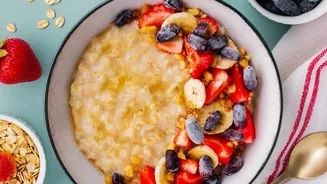
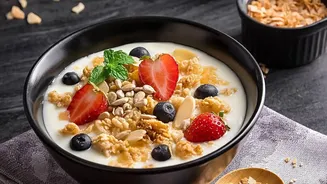
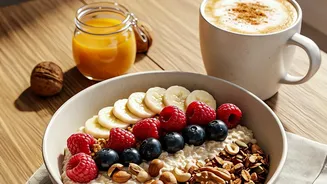
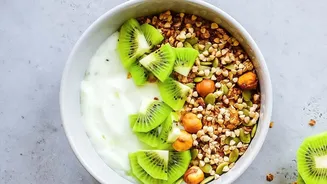
Using walnuts as a topping, rather than the main event, is the smartest way to build your breakfast bowl. Start with a nutrient_rich base like oats, unsweetened yoghurt, or a smoothie. Then, pre_portion your walnuts. Instead of grabbing from the bag, count out 12 to 14 halves and chop them up. Sprinkling the chopped pieces over your bowl ensures you get a taste of walnut in every few bites, making the serving feel more substantial. Pair the walnuts with other textures and flavours, like fresh berries for sweetness and fibre, or chia seeds for an extra boost of omega_3s and thickness. This balanced approach ensures your breakfast is filling, delicious, and nutritionally complete, keeping you satisfied until your next meal.
Beyond Breakfast: Portioning for Snacks
The principles of portion awareness extend beyond your morning meal. If you enjoy walnuts as a snack, the most effective strategy is to portion them before you start eating. Take a few minutes to divide a larger bag of walnuts into single_serving portions of about 28 grams in small reusable containers or bags. This creates a small, helpful barrier against mindless overeating. When you feel like a snack, you can grab one pre_portioned bag without having to rely on willpower in the moment. Having these healthy, perfectly_sized snacks ready to go makes it easier to make good choices, whether you're at your desk, on the go, or battling an afternoon energy slump.