

The Three Enemies of Fresh Sweets
Before you can protect your mithai, you need to know what you're fighting against. Three main culprits are responsible for turning delicious sweets into a disappointing experience: oxygen, moisture, and microbes. Oxygen in the air causes fats and ghee
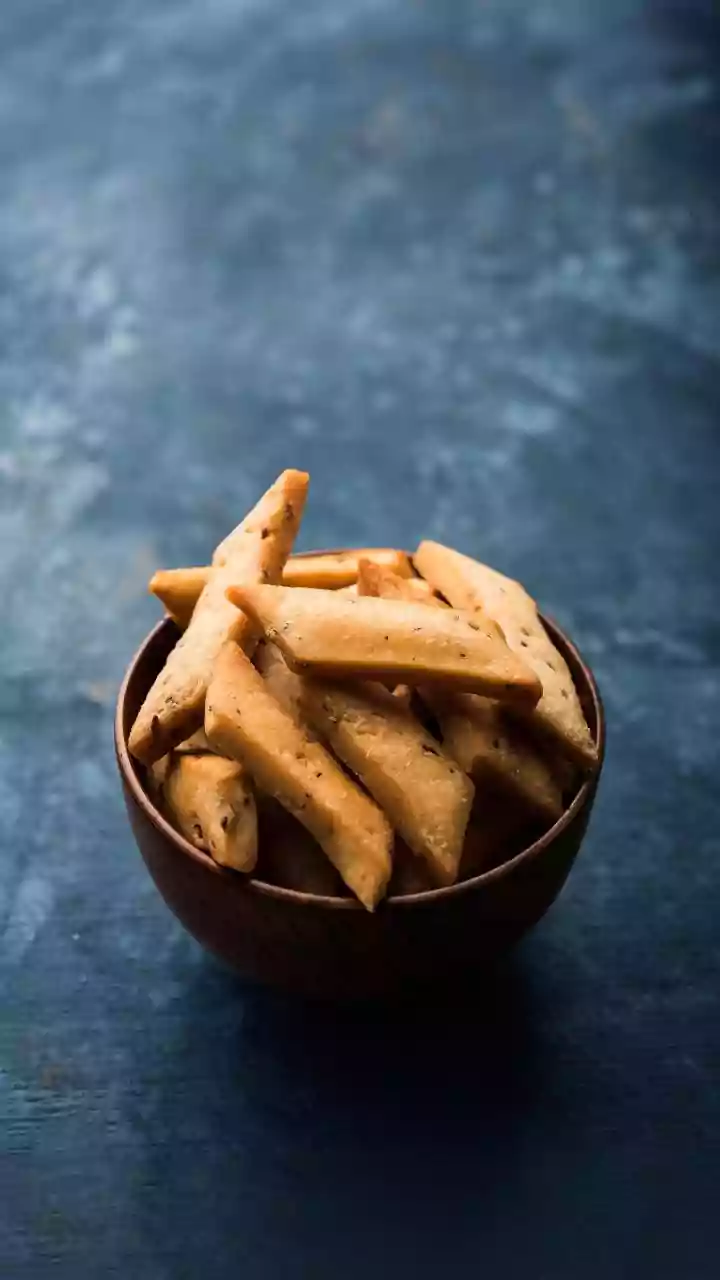
in sweets to oxidise, leading to a stale or rancid taste. Moisture is a double-edged sword; it can make dry sweets like shankarpali soggy and cause syrupy sweets like gulab jamun to dry out. Finally, microscopic organisms like bacteria and mould thrive in environments with air and moisture, leading to spoilage, especially in milk-based sweets like barfi or kalakand.
How Air-Tight Containers Work as a Shield
An air-tight container is your single most effective weapon against these three enemies. Its primary job is to create a physical barrier between the sweets and the outside environment. By sealing the container, you drastically reduce the amount of oxygen that can come into contact with the food. This simple act dramatically slows down the oxidation process, preserving the rich, nutty flavours of ghee and nuts that are central to so many Diwali treats. Less oxygen also means less opportunity for airborne microbes to land on your sweets and multiply, extending their life.
Maintaining the Perfect Moisture Balance
Proper packaging is also crucial for controlling moisture. Indian sweets have vastly different textures, from the dry crispiness of mathri to the moist tenderness of khoya-based barfis. Storing them correctly prevents moisture migration. An air-tight seal stops dry sweets from absorbing humidity from the air and becoming soft. Conversely, it prevents the moisture in sweets like ladoos or pedas from evaporating, which would leave them hard and dry. This is why it is critical to store dry and moist sweets in separate containers; keeping them together will cause the dry ones to get soggy and the moist ones to lose their texture.
Choosing the Right Container for the Job
Not all containers are created equal. For best results, opt for containers with a true seal. Glass jars with rubber gaskets and locking lids are excellent choices, as are high-quality plastic containers with snap-on lids that create a tight closure. Avoid loosely fitted tins or boxes for anything you want to keep for more than a day or two. For an extra layer of protection, especially with delicate or sticky sweets, consider lining the container with parchment paper. This prevents the sweets from sticking to each other and helps maintain their shape.
Smart Storage Strategies for Every Mithai
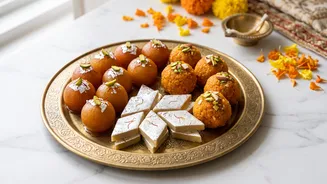
Different sweets require slightly different strategies. Ghee and nut-based sweets like besan ladoo, kaju katli, and most dry-fruit barfis have a longer shelf life and can be kept in air-tight containers at a cool room temperature for about a week. However, milk-based and khoya sweets such as milk cake, kalakand, and rasgulla are much more perishable. They must be refrigerated in an air-tight container and consumed within two to four days. For long-term storage, some sweets freeze remarkably well. Ghee-based ladoos and many types of barfi can be wrapped individually, placed in a freezer-safe bag or container, and frozen for several weeks. To enjoy, simply thaw them slowly in the refrigerator to prevent condensation from making them soggy.