





Understanding the Mediterranean Philosophy
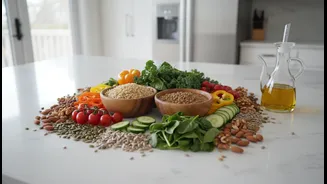
The Mediterranean diet isn’t a rigid set of rules, but rather an eating pattern celebrated for its positive impact on heart health and longevity. Its principles are simple: eat more plant-based foods, choose healthy fats, opt for lean proteins, and enjoy
whole grains. The magic lies in a diet rich in vegetables, fruits, legumes, and nuts, with fish being a regular feature and red meat consumed sparingly. The common misconception is that you need specific ingredients like Greek feta or Italian extra virgin olive oil to follow it. The reality is that the core philosophy—focusing on whole, minimally processed foods—can be applied anywhere, especially in a country with a culinary tradition as rich and diverse as India's.
Swap a Fat, Not a Culture
The Mediterranean diet champions olive oil for its monounsaturated fats. However, the Indian kitchen is already home to a variety of healthy fats. Cold-pressed mustard oil, a staple in North and East India, is rich in healthy fats and has a high smoking point suitable for Indian cooking methods. Similarly, groundnut oil, sesame oil, and even traditional ghee (in moderation) are excellent fats for different culinary purposes. Instead of focusing on one foreign oil, the key is to use a variety of local, less-refined oils. The goal is to prioritize healthy, unsaturated fats over highly processed ones, a principle that easily translates to Indian cooking.
Embrace India's Grain Diversity
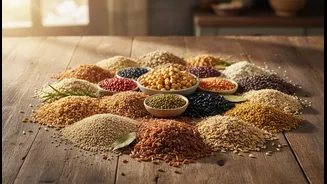
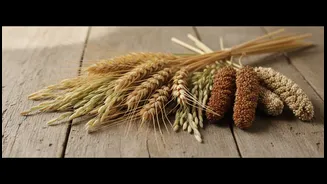
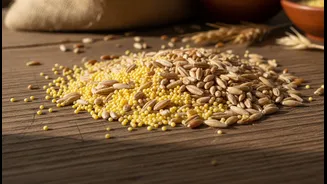
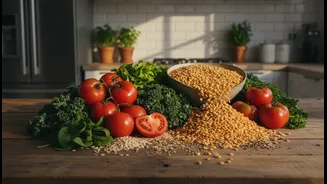
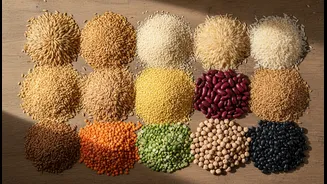
Whole grains are a cornerstone of Mediterranean eating, providing essential fibre that aids digestion and helps regulate blood sugar. While the Mediterranean may have its specific grains, India has an incredible and often under-utilised variety of millets and whole grains. Beyond whole wheat (atta) for rotis, think of incorporating millets like jowar (sorghum), bajra (pearl millet), and ragi (finger millet) into your diet. These grains are not only gluten-free but are also packed with nutrients like iron and calcium. Brown rice can be a simple swap for polished white rice, and grains like amaranth (rajgira) and buckwheat (kuttu) offer even more variety.
The Power of Pulses and Legumes
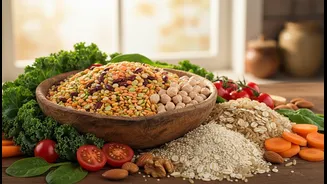
One of the biggest overlaps between Indian and Mediterranean diets is the emphasis on plant-based protein. Legumes are central to both. The Mediterranean diet features lentils, chickpeas, and beans, which are already the backbone of Indian cuisine. A bowl of dal, a serving of chana masala, or a rajma curry perfectly embodies this principle. These dishes are packed with protein and fibre, making them both filling and highly nutritious. By centering meals around India’s vast array of dals and legumes, you are already adhering to a key component of the Mediterranean style of eating without changing a thing.
Eat Your Local and Seasonal Vegetables
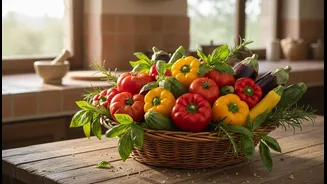
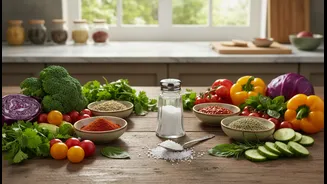
The Mediterranean diet is abundant in vegetables, but it doesn't have to be artichokes and zucchinis. The principle is to eat a wide variety of colourful, seasonal vegetables that are locally grown. India's markets are brimming with gourds (lauki, turai), leafy greens (palak, methi), brinjal, bhindi, and a host of other vegetables that are just as nutritious. The focus should be on increasing the quantity and variety of vegetables on your plate, perhaps by starting meals with a simple salad (kachumber) or adding extra vegetables to your sabzis and curries. This ensures you get a wide range of vitamins, minerals, and antioxidants.
Lean Proteins and Dairy, the Indian Way
The Mediterranean pattern favours fish and poultry over red meat and includes moderate amounts of dairy, primarily yogurt and cheese. This aligns well with Indian dietary habits. India's long coastline provides access to a variety of fish, which can be grilled or lightly cooked instead of being deep-fried. For vegetarians, paneer and dahi (curd) are excellent sources of protein and calcium. A simple raita, a piece of grilled fish, or a light paneer sabzi fits perfectly within this balanced framework. The idea is to choose leaner protein sources and prepare them in healthier ways, moving away from heavy, cream-laden curries.