




Tired of that mid-morning energy crash? Your breakfast could be the culprit. Starting your day with the right foods can prevent sharp spikes and dips in blood sugar. Here are five simple, nutrient-dense seeds you can add to your morning meal.
1. Chia Seeds
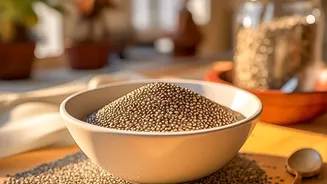
These tiny
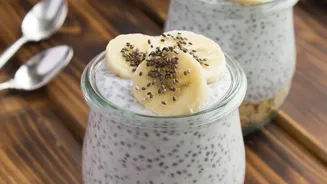
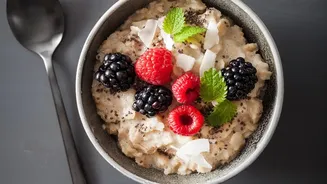
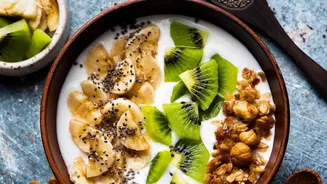
black seeds are nutritional powerhouses, prized for their high fibre content. Nearly 40% of their weight is fibre, which is primarily soluble. When you add chia seeds to liquid, like in a smoothie or oatmeal, they form a gel-like substance. This gel slows down digestion, which in turn slows the absorption of carbohydrates and the release of sugar into the bloodstream. This action helps prevent the sharp, rapid spikes in blood sugar that can happen after a carb-heavy breakfast. Chia seeds are also a great source of protein and omega-3 fatty acids, which further support stable energy levels and overall health. Try making an overnight chia pudding or simply sprinkling a tablespoon into your morning yogurt.
2. Flax Seeds
Flax seeds are celebrated for their unique combination of fibre, omega-3 fatty acids, and compounds called lignans. Like chia seeds, the soluble fibre in flax slows digestion, leading to a more gradual glycemic response after eating. In fact, some studies have shown that adding flaxseed to a meal can significantly lower the post-meal blood glucose response. The omega-3s, specifically alpha-linolenic acid (ALA), may also improve the body's sensitivity to insulin. For the best results, it's recommended to consume ground flax seeds, as your body can't break down the whole seeds to access their valuable nutrients. Add a spoonful of ground flax to smoothies, mix it into hot cereal, or use it in breakfast baking.
3. Pumpkin Seeds
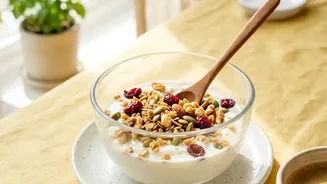
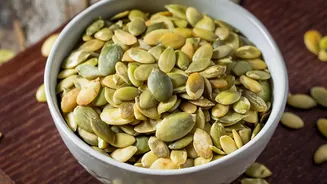
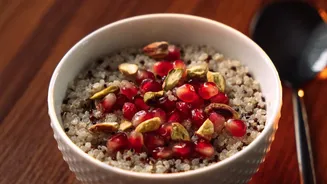
Also known as pepitas, pumpkin seeds are particularly rich in magnesium, a mineral that plays a crucial role in over 600 reactions in the body, including regulating blood sugar levels. Magnesium is vital for the body's insulin signaling and glucose transport processes. Some research indicates that people with higher magnesium intake have a lower risk of developing type 2 diabetes. Beyond magnesium, pumpkin seeds provide a healthy dose of fibre, protein, and healthy fats, all of which contribute to satiety and help maintain steadier glucose levels. Enjoy a small handful as a snack or sprinkle them over your morning porridge or avocado toast for a satisfying crunch.
4. Sunflower Seeds
Sunflower seeds have a low glycemic index, which means they have a minimal impact on blood sugar levels. They are a great source of vitamin E, an antioxidant that can help reduce inflammation often associated with diabetesndated complications. They also contain protein, fibre, and healthy fats, a combination that slows stomach emptying. This slowing effect allows for a more gradual release of sugar from carbohydrates consumed during the same meal. Furthermore, sunflower seeds are a good source of magnesium and a plant compound called chlorogenic acid, both of which may contribute to their blood_sugar_lowering effects. Add them to salads, blend them into smoothies, or simply enjoy a handful raw and unsalted.
5. Sesame Seeds
Sesame seeds have a low glycemic index and are rich in protein, healthy fats, and fibre. This nutritional profile helps slow digestion and moderate post meal blood sugar increases. Sesame seeds also contain unique lignans, like sesamin, which possess antioxidant and anti inflammatory properties. Some studies suggest these compounds may help improve insulin sensitivity. They are also another good source of magnesium, which is critical for glucose metabolism. To incorporate them into your breakfast, you can sprinkle them onto yogurt or cereal, or use tahini—a paste made from ground sesame seeds—as a base for a savoury breakfast dressing or spread.