

What Exactly is 'Run to Meditate'?
Don’t let the word 'run' intimidate you. The 'Run to Meditate' trend isn't about high-intensity sprints or marathon training. Instead, it’s a mindful movement practice that merges brisk walking with the core principles of meditation. Think of it as the perfect
middle ground between a gentle, contemplative stroll and a heart-pumping workout. The goal is to elevate your heart rate with a purposeful, energetic pace while simultaneously training your mind to stay present and focused. Unlike traditional sitting meditation, which can feel challenging for those with a restless mind or body, this practice uses the rhythm of your steps as an anchor, making it a more accessible entry point into mindfulness for many.
The Two-in-One Wellness Boost
The beauty of this trend lies in its dual benefits. On the physical side, brisk walking is a well-documented cardiovascular exercise that improves heart health, aids in weight management, strengthens bones, and boosts your mood by releasing endorphins. It's the kind of sustainable, low-impact activity that doctors universally recommend. On the mental side, the meditative aspect helps to reduce stress and anxiety. By focusing your attention on the physical sensations of walking—the feeling of your feet on the ground, the rhythm of your breath, the sounds around you—you pull your mind away from the endless cycle of worries and to-do lists. This practice of active mindfulness can lower cortisol levels, improve concentration, and cultivate a sense of calm and clarity that lasts long after your walk is over. Combining them amplifies these effects, creating a powerful synergy that nourishes both body and mind.
Your Guide to a Mindful Walk
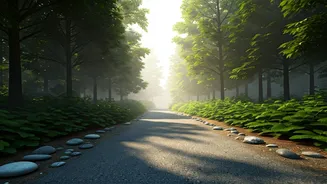
Getting started is simple and requires no special equipment. First, choose your space. A local park, a quiet neighbourhood street, or even a treadmill facing a window will work perfectly. The key is to find a place where you can walk continuously without too many interruptions. Before you begin, set a gentle intention. This isn't a performance goal, but rather a focus for your mind, such as 'I will stay present with my breath' or 'I will walk with a feeling of gratitude'. Begin walking at a brisk, energetic pace—one that raises your heart rate but still allows you to hold a conversation comfortably. Now, bring your attention to the physical act of walking. Feel the rhythm of your footsteps. Notice how your arms swing in coordination with your legs. Sync your breathing with your steps, perhaps inhaling for three steps and exhaling for three steps.
Staying Focused When Your Mind Wanders
Your mind will inevitably wander. That’s not a failure; it’s just what minds do. When you notice your thoughts have drifted to work, chores, or worries, don't get frustrated. The practice is not about having an empty mind, but about gently and repeatedly bringing your focus back to the present moment. Each time you notice your mind has strayed, simply acknowledge the thought without judgment and guide your attention back to a physical anchor. This could be your breath, the sound of your feet hitting the pavement, or the sight of the path ahead. This act of returning your focus is the 'rep' in your mental workout, strengthening your ability to concentrate over time. Start with a short duration, like 15 minutes, and gradually increase it as you get more comfortable.
Simple Tips for Success
To make the most of your practice, consider leaving your phone on silent or putting it in 'do not disturb' mode to minimise digital distractions. If you enjoy listening to something, opt for ambient music or a guided walking meditation rather than a stimulating podcast or high-energy playlist. Pay attention to your posture: walk tall with your shoulders back and your gaze directed forward, which can help foster a more confident and open state of mind. Finally, consistency is more important than intensity or duration. A regular 15-minute practice three times a week will yield more benefits than a single, strenuous hour-long session once a month. Be patient with yourself and enjoy the process of reconnecting with your body and your surroundings.